Understanding NRMA's Coverage for Flood Damage
Considering NRMA for your insurance needs and wondering about flood damage coverage? This insightful article delves into whether NRMA covers flood damage, helping you make informed decisions about your protection.
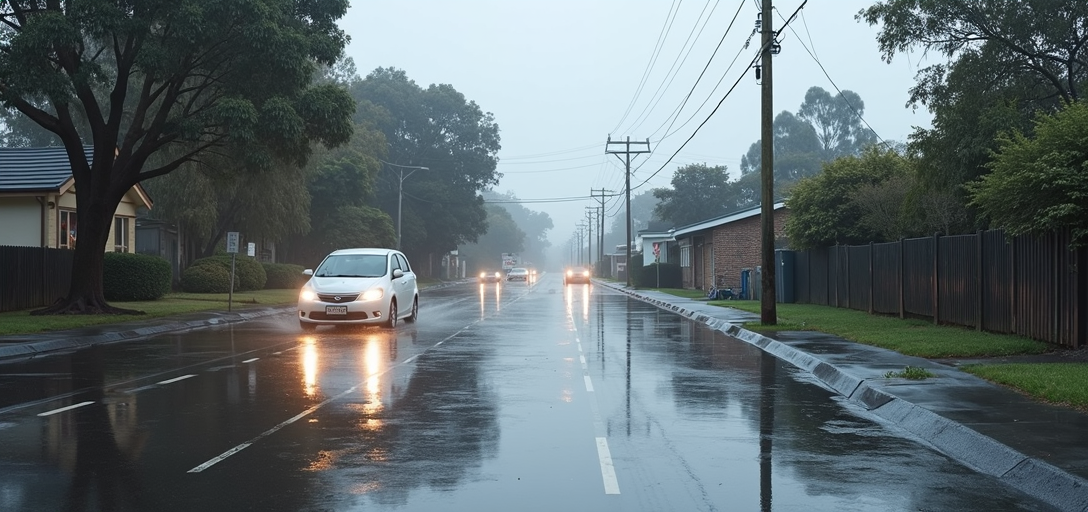
Understanding NRMA's Coverage on Flood Damage
The question of whether NRMA covers flood damage is a common one among homeowners and renters alike. As climate change continues to affect weather patterns globally, incidents of flooding have become more frequent, leaving many to ponder the intricacies of their insurance coverage. In this article, we delve into the details of NRMA's policies regarding flood damage.
What is Flood Damage?
Before exploring NRMA's specific coverage, it's crucial to understand what constitutes flood damage. Flooding occurs when water inundates land that is usually dry. This can happen due to events such as heavy rainfall, storm surges, river overflow, or dam breaches. Flood damage encompasses harm caused to your property as a result of such events, affecting both the structure and contents of your home.
Does NRMA Cover Flood Damage?
Yes, NRMA Insurance typically offers cover for flood damage within their home and contents insurance policies. However, the extent of coverage can vary based on the specific policy you choose and the terms and conditions outlined in your agreement.
According to NRMA's official website, their comprehensive home insurance policies often cover damage to both your home and its contents caused by floods. It is vital, though, to review the policy details to understand the inclusions, exclusions, and any applicable sub-limits or excess fees.
Key Features of NRMA Flood Damage Coverage
- Inclusions: Typical inclusions cover water damage to the building and personal belongings, temporary accommodation if your home becomes uninhabitable, and repair or replacement of damaged items.
- Exclusions: Standard exclusions may include damage due to negligence, pre-existing damages, or poorly maintained drainage systems. Always verify with NRMA for the most current exclusions.
- Premium Costs: Insurance premiums can vary based on factors like your location's flood risk, the value of your insured items, and the specifics of your policy coverage options.
Why is Flood Insurance Important?
In recent years, there has been an uptick in flood-related disasters across various regions of Australia. According to the Bureau of Meteorology, climate tendencies indicate a likelihood of increased rainfall during La Niña events, heightening flood risks. In 2026 alone, a series of severe storms have led to unprecedented flooding, causing immense damage to properties.
Having flood insurance ensures that you're financially protected against the potentially high costs of repair and replacement. Without such coverage, recovery from flood incidents can place a substantial financial burden on individuals and families.
How to Determine Your Flood Risk
To evaluate whether you need flood insurance through NRMA, you should first assess your flood risk. Here are steps you can take:
- Refer to local government flood maps to determine your area’s risk level.
- Review historical flood data relevant to your area.
- Consult with insurance advisors or local councils for detailed risk assessments.
Steps to Take for Making a Flood Damage Claim
Should you need to file a claim for flood damage, here's a general procedure to follow:
- Contact NRMA as soon as it is safe to do so. Immediate communication is crucial.
- Document the damage extensively through photos and detailed notes.
- Secure your property to prevent further damages.
- Collect relevant documents like receipts for repairs or temporary accommodation.
- Complete and submit a claim form provided by NRMA.
Throughout the process, maintain open communication with your insurer to ensure a smooth claims process.
Real-World Example
Consider the case of Jennifer, a homeowner in Queensland, who benefited from her NRMA policy after the 2026 floods. Her coverage included both structural and content damage, allowing her to refurbish her living room and replace essential electronics with minimal personal expense. This example exemplifies the value of having comprehensive flood insurance.
Conclusion
Understanding the specifics of NRMA's flood coverage is invaluable for homeowners looking to protect their investments. Given the rising frequency of natural disasters, ensuring adequate coverage is not just wise but necessary. For more personalized advice, consulting directly with an NRMA representative or an insurance advisor is recommended.