Understanding Ohio's Medicaid Income Limits: What to Expect in 2026
Understanding the income limit for Medicaid in Ohio in 2026 is crucial for those seeking coverage. As eligibility criteria can change, it's important to stay informed on how income affects your qualification.
Understanding Medicaid Eligibility in Ohio
Medicaid is a joint federal and state program that provides healthcare coverage to low-income individuals and families. In Ohio, the program ensures that eligible residents have access to necessary medical services, playing a critical role in the health and well-being of many communities across the state. As we look ahead to 2026, it’s important to understand the income limits and other eligibility criteria for Medicaid in Ohio.
What is the Income Limit for Medicaid in Ohio for 2026?
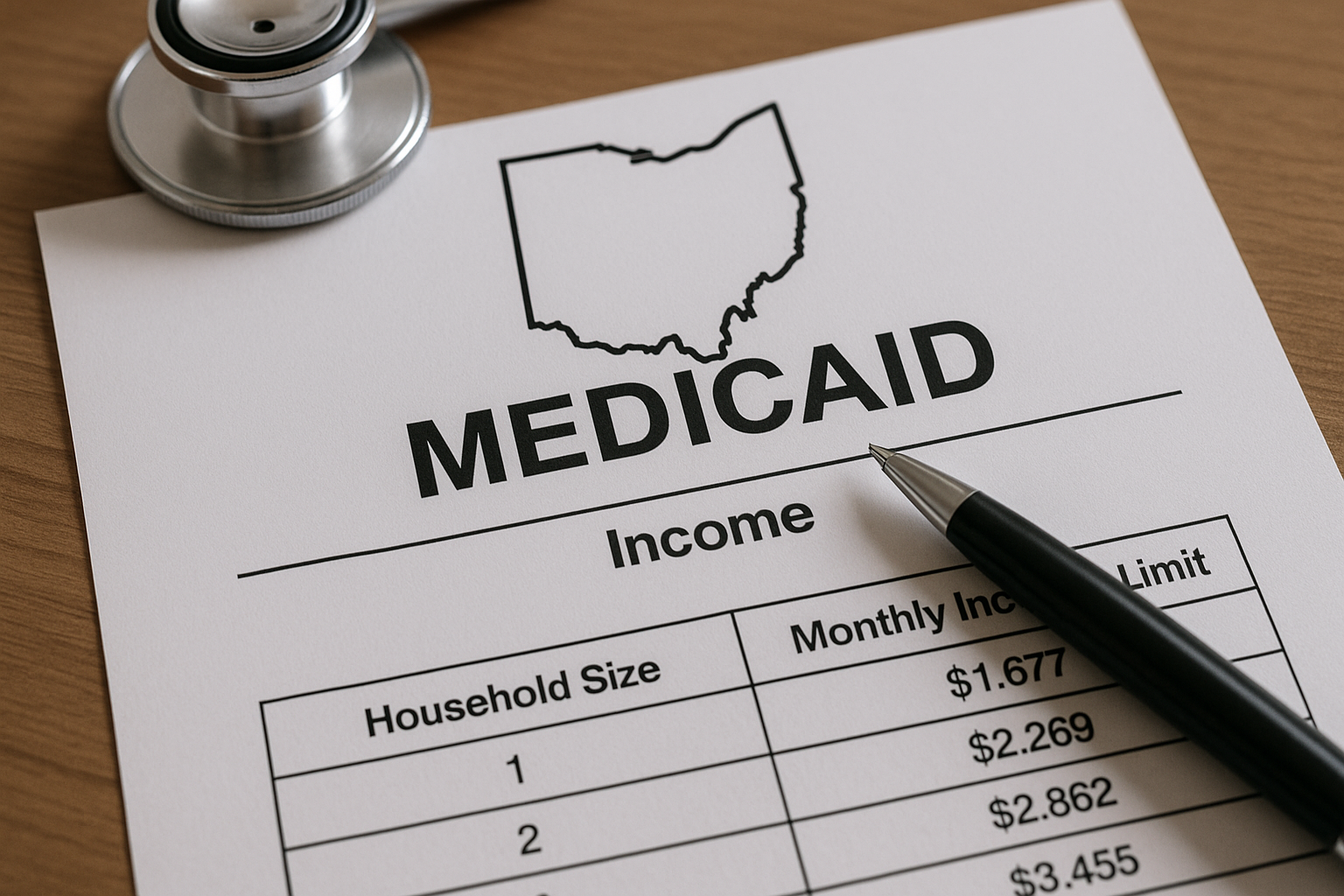
As of 2026, the Medicaid income limit in Ohio can be complex due to the various categories of eligibility. The thresholds are based on the Federal Poverty Level (FPL), which adjusts annually. Here's a breakdown of the basic income limits:
- Adults (ages 19-64): Individuals in this category typically qualify for Medicaid if their household income does not exceed 138% of the FPL, which is approximately $18,754 for an individual and $38,295 for a family of four. This category was expanded under the Affordable Care Act, making many more Ohioans eligible.[source]
- Pregnant Women: Eligible if household income is up to 200% of the FPL. This means a single pregnant woman would qualify with an income up to about $27,180 annually.
- Children (up to age 19): Medicaid or the Children’s Health Insurance Program (CHIP) is available for families with incomes up to 206% of the FPL.
- Elderly and Individuals with Disabilities: Eligibility is determined with different criteria that often consider both income and assets. The income limit for these groups generally aligns with special needs and long-term care standards.
Other Factors Affecting Medicaid Eligibility
While income is a primary factor in determining Medicaid eligibility, several other considerations are also vital:
- Residency: Applicants must be U.S. citizens or qualified non-citizens and residents of Ohio.
- Household Size: The size of the applicant’s household, including the number of dependents, can influence eligibility and the specific income threshold.
- Special Circumstances: Specific groups, such as foster children and certain individuals with severe disabilities, may have distinct eligibility criteria that provide broader coverage regardless of income limits.
How to Apply for Medicaid in Ohio
Applying for Medicaid in Ohio can be done through several channels. Understanding the application process is crucial for ensuring a successful and timely enrollment:
- Online: The Ohio Benefits website allows applicants to apply online, check the status of applications, and update their information.
- In Person: Local county Department of Job and Family Services (DJFS) offices provide in-person application opportunities. These offices are equipped to assist with detailed inquiries and can provide support for those who lack digital access.
- By Mail: Applicants can request an application form that they can fill out and return by mail. Assistance with completing paper applications is also available through local DJFS offices.
Why Medicaid is Vital for Ohioans
The Medicaid program significantly impacts Ohioans, particularly in providing access to healthcare for vulnerable populations. Here's why it’s essential:
- Healthcare for All: Medicaid ensures that critical groups, including low-income families, elderly individuals, and children, receive necessary medical attention and preventive care.
- Crisis Support: During economic downturns or personal financial crises, Medicaid offers a safety net that protects the health and stability of Ohio residents.
- Community Health Improvement: By supporting access to healthcare, Medicaid also contributes to broader public health outcomes, such as reduced transmission of communicable diseases and healthier future generations.
Recent Changes and Future Projections
Recent legislative changes and proposals at both state and federal levels could affect Medicaid eligibility and benefits. For example, Ohio's Medicaid program is exploring ways to integrate more technology to streamline services and increase outreach, particularly in underserved areas. Constant adaptation to economic conditions and healthcare demands means that the program will likely evolve.
For the latest Medicaid updates, residents should regularly consult the Health Policy Institute of Ohio and other official government resources that offer news about policy changes and health initiatives.
Conclusion
Understanding the income limits and eligibility requirements for Medicaid in Ohio for 2026 is crucial for potential applicants and their families. As purchasing healthcare independently becomes more challenging for many low-income households, Medicaid remains a vital program. By being informed and prepared, Ohioans can ensure they make the most of the coverage options available, helping to maintain the health and well-being of individuals and communities across the state.