Understanding Older Skin: Causes of Easy Bruising and Effective Remedies
Discover why older skin bruises so easily and what might actually help reduce bruising. As we age, our skin undergoes changes that can make it more susceptible to bruising. Learn about potential contributing factors and explore gentle remedies that could support older skin.
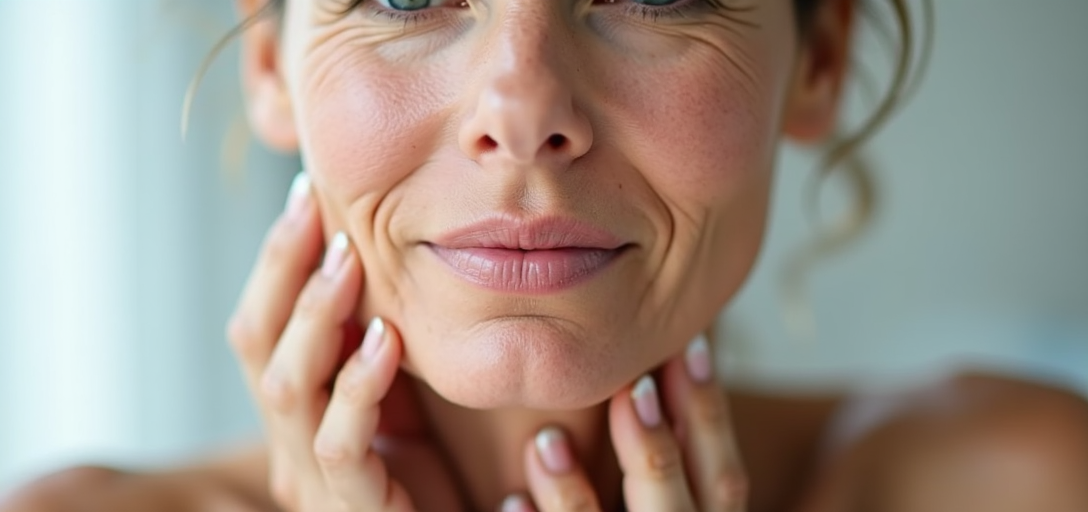
Understanding Why Older Skin Bruises Easily
As we age, our skin undergoes a variety of changes that make it more susceptible to bruises. Understanding these changes is crucial for maintaining skin health and preventing injuries. Here’s a closer look at why older skin tends to bruise more easily.
Changes in Skin Structure
Aging results in a number of structural changes within the skin. The dermal layer, which contains collagen and elastin, becomes thinner and loses its elasticity. This makes the skin more fragile and less able to withstand the pressures it could handle in younger years.
The natural cushion provided by subcutaneous fat also diminishes with age, offering less protection to blood vessels under the skin. As a result, even a minor bump can lead to ruptured capillaries, causing noticeable bruising.
The Role of Blood Vessels
Another contributing factor is the condition of blood vessels themselves. With age, blood vessels can weaken and become more prone to tearing or breaking upon impact. This increased fragility means that older adults are more likely to experience bruising with even minimal impact.
Medications and Lifestyle Factors
Many older individuals are on medications that can exacerbate bruising tendencies. For example, anticoagulants, or blood thinners, are commonly prescribed to prevent heart attacks or strokes, but they also prolong bleeding under the skin leading to larger, more pronounced bruises. Additionally, certain supplements such as ginkgo biloba, and lifestyle factors like smoking can also weaken blood vessels and skin structure over time.
What Actually Helps? Prevention and Treatment Strategies
Preventive Measures
While some factors contributing to easy bruising cannot be changed, there are effective prevention strategies that can help reduce the likelihood and severity of bruises.
- Protective Clothing: Wearing long sleeves and pants can protect skin from minor injuries.
- Home Safety: Implementing home safety measures like removing tripping hazards and improving lighting can reduce accidental falls and bumps.
- Healthy Diet: A nutrient-rich diet supports skin health and vascular integrity, emphasizing vitamins C and K, which are crucial for skin repair and blood coagulation.
- Exercise: Regular exercise improves circulation and overall skin health, strengthening the blood vessels and connective tissues.
Treatment Options
If bruising occurs despite preventive measures, several treatments can aid in recovery and minimize appearance:
- Cold Compress: Applying a cold pack to a new bruise can reduce blood flow to the area and limit the size of the bruise.
- Elevation: Elevating the bruised area can reduce swelling and promote healing by decreasing blood flow to the area.
- Topical Treatments: Over-the-counter creams containing vitamin K or arnica may expedite healing by enhancing skin repair and reducing inflammation.
Research and Innovations in Managing Easily Bruised Skin
Recent advancements in dermatological research provide hope for better management of skin vulnerability and bruising.
Innovative Skin Care Products
The skincare industry continuously seeks new formulations to support aging skin. Products enriched with peptides and antioxidants are designed to strengthen skin and promote repair. These substances work by enhancing collagen production and protecting cells from oxidative damage.
Clinical Treatments
For more persistent cases, dermatologists may suggest clinical treatments. Injectable fillers can replace lost volume in the skin’s sub-dermal layer, providing cushioning against impacts. Laser therapies targeting blood vessels can also reduce bruise formation and improve the appearance of skin.
According to a 2026 study by the American Academy of Dermatology, these treatments have shown promising results, decreasing bruise occurrence by up to 40% in trial participants. (AAD Study)
Maintaining Skin Health As You Age: Practical Tips
Pursuing overall skin health can go a long way in minimizing bruising and improving your quality of life.
Daily Skin Care Routine
Adopting a daily skincare regimen that includes moisturizing and sun protection is essential. Use products suitable for your skin type to prevent dryness, which can exacerbate skin vulnerability.
Regular Health Checkups
Regular visits to healthcare providers can help monitor medications and their effects on skin health. Physicians can adjust prescriptions and recommend supplements based on individual needs.
Moreover, discussing any noticeable changes in skin condition with a dermatologist promptly can lead to early intervention and better management strategies.
Conclusion
While aging brings changes that naturally increase the likelihood of bruising, understanding the underlying causes and adopting effective prevention and treatment strategies can make a significant difference. With ongoing research and innovations, maintaining healthy skin and reducing bruising risks are more achievable than ever before.
By proactively protecting your skin, making informed lifestyle choices, and utilizing modern treatments, you can support your skin’s resilience at any age.