Understanding Osteoarthritis Joint Pain: Causes and Solutions for Relief
Osteoarthritis joint pain can be a challenging condition affecting daily life. Understanding what causes osteoarthritis joint pain is crucial in managing symptoms and improving joint function. Various factors such as age, wear and tear, and genetics play a role.
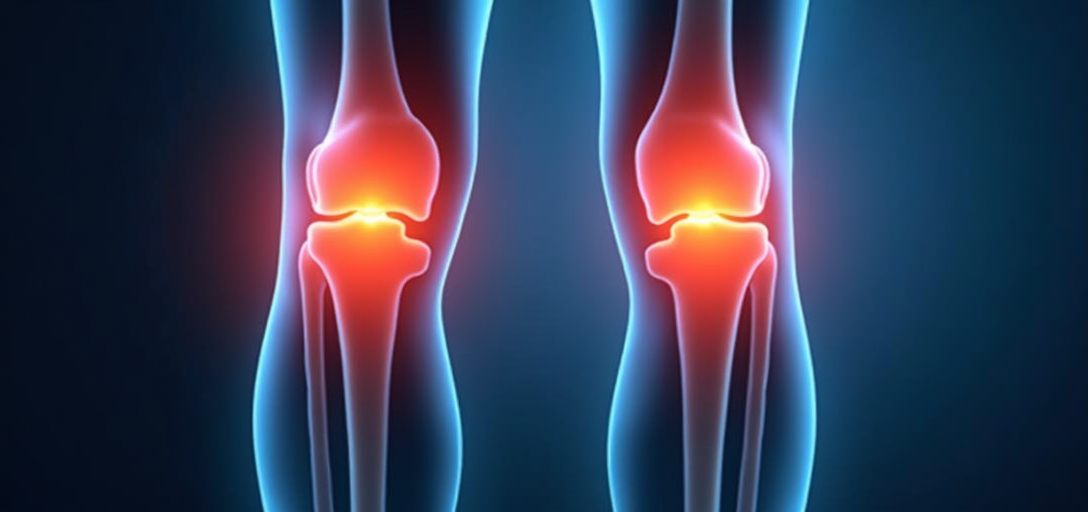
Understanding Osteoarthritis Joint Pain
Osteoarthritis is the most common form of arthritis, affecting millions of people in the United States and worldwide. It is a degenerative joint disease characterized by the breakdown of cartilage, which leads to pain, stiffness, and swelling in the joints. But what exactly causes osteoarthritis, and what can be done to help alleviate joint pain associated with it?
What Causes Osteoarthritis?
The primary cause of osteoarthritis is the deterioration of cartilage — the firm, rubbery tissue that acts as a cushion between bones. When cartilage wears down, bones begin to rub against each other, leading to pain and inflammation. Several factors contribute to this deterioration:
- Aging: As we age, the body’s ability to repair cartilage diminishes, leading to wear and tear.
- Joint Injuries: Injuries to the joints from sports, accidents, or other activities can increase the risk of developing osteoarthritis later in life.
- Genetics: Family history can play a role in the likelihood of developing osteoarthritis.
- Obesity: Excess weight puts additional stress on weight-bearing joints, accelerating cartilage breakdown.
- Repetitive Stress: Repetitive motions from job tasks or sports can predispose certain joints to osteoarthritis.
Recognizing the Symptoms of Osteoarthritis
Understanding the symptoms of osteoarthritis can aid in early diagnosis and management. Common symptoms include:
- Joint Pain: Aching or sharp pains during and after movement.
- Stiffness: Noticeable stiffness, especially in the morning or after periods of inactivity.
- Swelling: Increased fluid in the joint area causing swelling.
- Decreased Flexibility: Limited range of motion or difficulty moving the joint through its full range.
- Grating Sensation: Feeling or hearing a grating sensation when using the joint.
When Should You See a Doctor?
If joint pain or stiffness becomes persistent or severe, it is crucial to consult with a healthcare provider. Early intervention can help manage symptoms and improve quality of life. A doctor may recommend imaging tests like X-rays or MRIs to diagnose osteoarthritis.
What Can Help Alleviate Osteoarthritis Joint Pain?
Medical Treatments
Several medical treatments can help manage osteoarthritis symptoms:
- Medications: Over-the-counter pain relievers like acetaminophen or NSAIDs (nonsteroidal anti-inflammatory drugs) such as ibuprofen can be effective.
- Topical Treatments: Creams or ointments that contain pain-relieving ingredients can offer localized relief.
- Physical Therapy: A physical therapist can develop an exercise plan to strengthen muscles around the joint, increase flexibility, and reduce pain.
- Injections: Corticosteroid or hyaluronic acid injections into the joint can provide temporary pain relief.
Lifestyle and Home Remedies
Adopting certain lifestyle changes can also play a crucial role in pain management:
- Exercise: Low-impact activities such as swimming, walking, and cycling can improve joint function and reduce pain.
- Weight Loss: Reducing body weight can significantly decrease stress on joints and slow osteoarthritis progression.
- Diet: A balanced diet rich in antioxidants and anti-inflammatory foods can support overall joint health.
- Heat and Cold Therapy: Using hot and cold packs can reduce pain and inflammation.
- Assistive Devices: Devices like braces or shoe inserts can help support and protect affected joints.
Complementary and Alternative Therapies
Beyond traditional medical treatments, some individuals find relief through alternative therapies:
- Acupuncture: Some studies suggest acupuncture can relieve osteoarthritis pain.
- Supplements: Glucosamine and chondroitin are popular supplements, although their effectiveness varies.
- Yoga and Tai Chi: These gentle exercises enhance flexibility, balance, and stress management.
Recent Research and Statistics
As of 2026, new research continues to evolve our understanding of osteoarthritis. The Centers for Disease Control and Prevention (CDC) reports that over 32.5 million adults in the US have arthritis, with a significant portion suffering from osteoarthritis. Advances in genetic studies suggest a better understanding of individual risk factors, leading to more personalized treatment approaches. Researchers are also exploring the role of biomarkers in early osteoarthritis diagnosis, which could lead to more effective preventive strategies.
Conclusion
Osteoarthritis joint pain can significantly impact daily life, but understanding the causes and available treatments can help manage the condition effectively. By combining medical treatments with lifestyle changes and alternative therapies, individuals can achieve better joint health and improved quality of life. Always consult with healthcare providers to tailor a management plan to individual needs, and stay informed about new research developments that could offer additional insights and options.