Understanding Overnight Electricity Usage: Insights from Experienced Electricians
Ever wondered why your electricity usage can spike overnight? In our latest article, electricians delve into common causes for these unexpected increases.
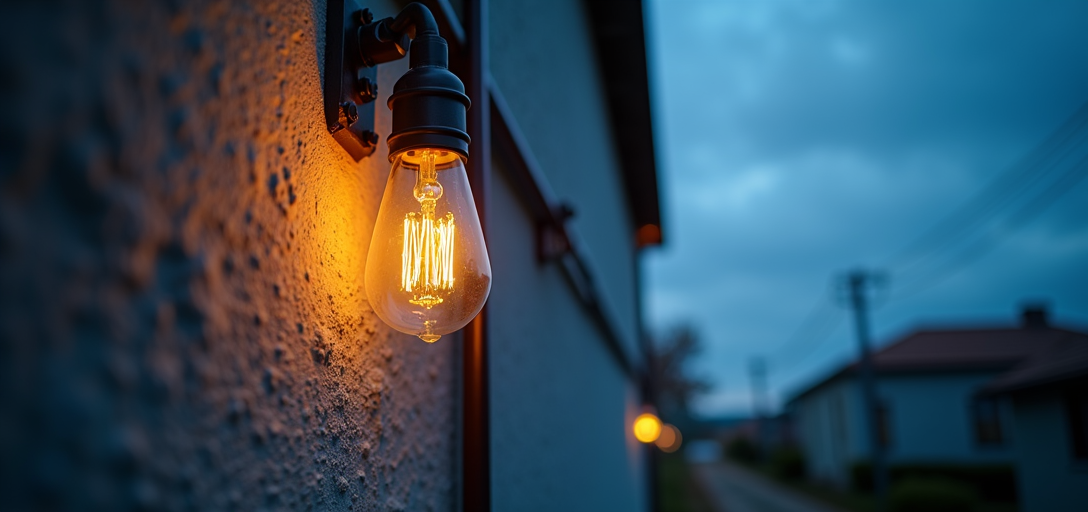
Understanding Overnight Electricity Spikes
When you see your electricity bill showing higher-than-expected usage, especially from overnight consumption, it can be puzzling and even alarming. Understanding why electricity usage can spike overnight involves looking at several factors that influence power consumption when you might not even be awake. Let's explore these factors in detail.
Appliances Running Overnight
One of the most straightforward reasons for increased electricity usage overnight is the appliances that continue to run while you're asleep. Certain appliances and devices are designed or often left to operate overnight, contributing to higher electricity consumption:
- Heating and Air Conditioning Systems: Thermostats may maintain specific temperatures through the night, especially during extreme weather conditions, contributing to high energy use.
- Refrigerators and Freezers: These must run continuously, and older or less efficient models can be significant energy hogs.
- Water Heaters: Timers or settings can result in unintended heating cycles, especially after evening showers or usage spikes.
- Plugged-In Electronics: Game consoles, DVRs, or computers left in standby mode may consume more power than you realize.
Phantom Energy Consumption
Also known as standby power, phantom energy consumption refers to electricity used by devices when they are plugged in but not actively in use. According to the U.S. Department of Energy, this can account for up to 10% of your energy bill. Review each device's impact and consider using smart power strips or unplugging devices to cut down on such waste.
Changes in Electrical Equipment Efficiency
Regular use of appliances tends to wear them out over time, affecting their efficiency. For instance, HVAC systems with unreplaced filters or neglected maintenance can become less efficient, consuming more power to perform their tasks, particularly noticeable when running overnight.
External Factors Influencing Power Usage
Beyond your home, external factors can also contribute to overnight spikes in electricity consumption:
- Utility Rate Changes: Providers may increase rates, especially during peak demand periods. Understanding your utility's pricing structure is crucial.
- Temperature Drops: During colder months, increased heating requirements at night can lead to additional energy consumption.
- Grid Demand: Nights with high grid demand can lead to higher rates being charged, impacting your costs indirectly even if your usage doesn't increase.
How to Manage and Reduce Overnight Electricity Usage
Tackling overnight electricity spikes requires a combination of awareness, technology, and sometimes modest investments. Here are steps you can take:
Conduct an Energy Audit
Consider engaging with a professional electrician or conducting a DIY energy audit to identify the major culprits of high energy use. By understanding exactly which appliances or systems are drawing extra power, you can take targeted actions to reduce them.
Upgrade to Energy-Efficient Appliances
Modern appliances often offer significantly better energy performance than older models. For example, energy-efficient refrigerators or heating systems can dramatically cut your consumption. Look for Energy Star-rated appliances, as they meet stringent efficiency guidelines set by the U.S. Environmental Protection Agency. Learn more on the Energy Star website.
Utilize Smart Technology
Smart thermostats and programmable timers on heating systems can be vital in controlling and reducing usage. These devices allow for more precise control over your home's environment, ensuring you use power only when necessary.
Strategic Use of Renewable Energy
Consider incorporating renewable energy sources, such as solar panels, to offset your overnight consumption. With net metering, excess energy generated during the day can be used at night, reducing reliance on the grid.
The Broader Impact of Electricity Management
Effective electricity usage management not only lessens the personal financial burden but also benefits the environment. Energy-efficient behaviors contribute to lower carbon emissions and a reduced need for energy expansion, affecting global energy conservation efforts.
Engaging with Your Electricity Provider
Finally, engaging with your local electricity provider can offer insights and options specifically tailored to your consuming habits. Many utilities offer incentives, rebates, or special programs for users aiming to enhance their energy efficiency.
For up-to-date energy-related tips and programs, check your provider's current options, which might have been updated as recently as 2026, to keep yourself informed about the best practices and available support options.