Understanding Patient Assistance Programs: Which Prescription Drugs Are Covered?
Discover how patient assistance programs can help you or a loved one access essential medications at a reduced cost. This guide explains what drugs qualify for these valuable programs, offering a comprehensive overview of eligibility and enrollment.
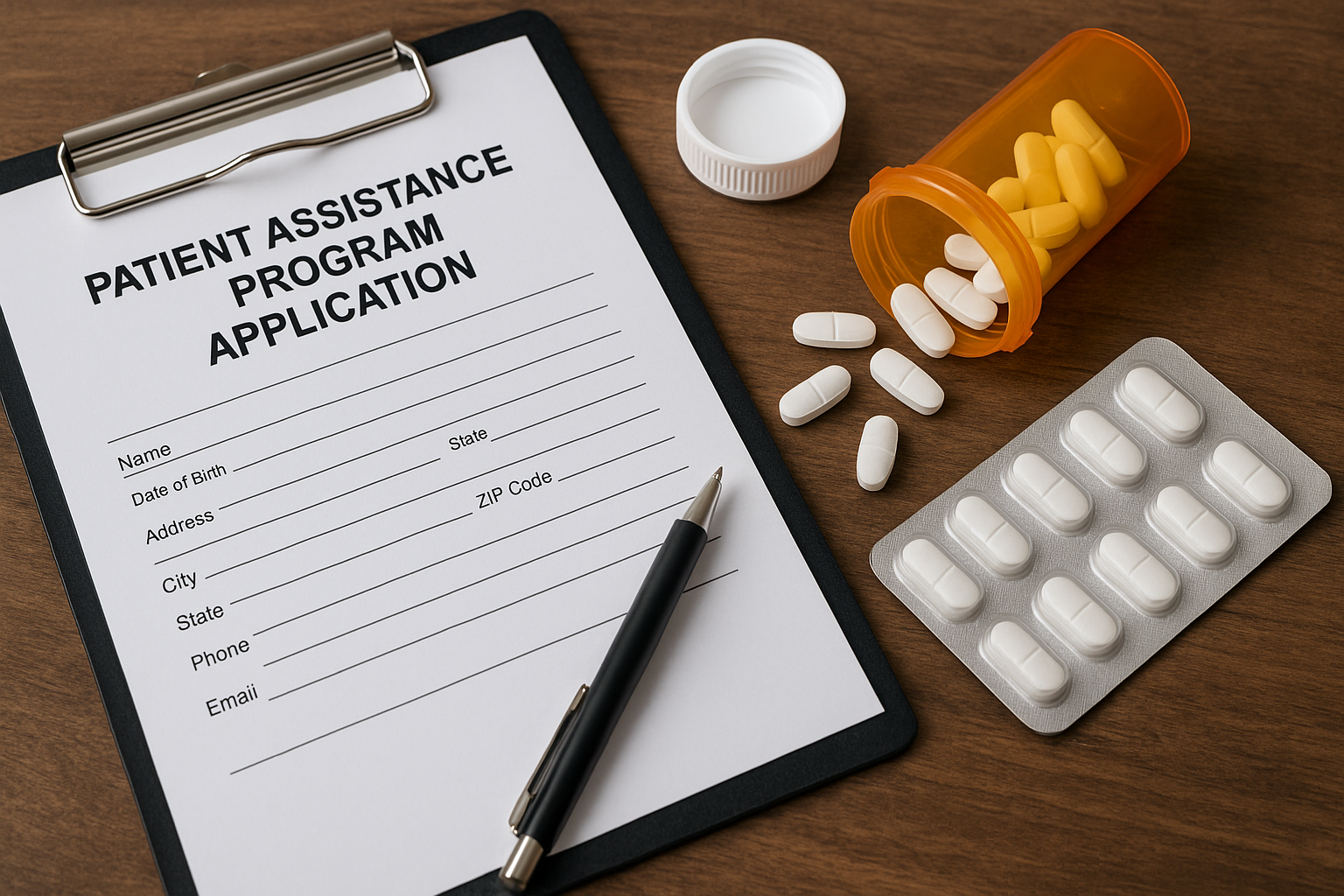
Understanding Patient Assistance Programs (PAPs)
Patient Assistance Programs (PAPs) are essential resources for individuals who struggle to afford their medications. These programs are typically sponsored by pharmaceutical companies to supply free or low-cost prescription drugs to eligible individuals. However, not all medications qualify, and understanding the criteria can greatly assist those in need of financial assistance. This guide aims to demystify PAPs and explain how certain drugs qualify for assistance.
What Are the Basic Qualifications for Drugs in PAPs?
To be eligible for a patient assistance program, both the drug and the patient must meet specific criteria established by the pharmaceutical company. Generally, the primary qualifications include:
- Type of Illness: Drugs used to treat chronic or life-threatening conditions like cancer, diabetes, and heart disease often qualify.
- Insurance Status: Typically, PAPs are targeted at uninsured or underinsured patients. If your insurance does not cover a particular drug, you might be eligible for assistance.
- Income Level: Many programs consider the patient's household income, often requiring it to be at or below a certain percentage of the federal poverty level.
Verification of these qualifications usually involves providing documentation such as tax returns, paychecks, or letters from healthcare providers.
Which Drugs Commonly Qualify for Patient Assistance Programs?
Most drugs offered through PAPs fall under categories treating chronic conditions or specific high-cost medications. Here's a look at several drug categories that commonly qualify:
- Oncology Drugs: These include medications for various types of cancers. High-cost drugs, like targeted therapies and immunotherapies, are often included.
- Insulin and Diabetes Medications: Given the rising cost of diabetes care, many manufacturers include insulins and other diabetes medications in their PAPs.
- Cardiovascular Drugs: Blood pressure medications, cholesterol reducers, and other cardiovascular treatments may qualify.
Recent studies indicate a substantial increase in PAP applications for insulin, reflecting the ongoing nationwide discussions on pricing (Health Affairs, 2026).
How to Determine Eligibility and Apply
Determining eligibility and applying for a PAP involves several steps, which typically include:
- Research: Check the pharmaceutical company’s website or trusted healthcare portals to find information specific to your medication.
- Contact the Company: Reach out to the company’s PAP hotline or customer service for detailed application procedures and requirements.
- Prepare Documentation: Collect necessary documents such as proof of income and insurance details.
- Complete the Application: Application forms can usually be submitted online, by mail, or fax. Be thorough to avoid delays.
Real-World Impact and Statistics
In 2025 alone, PAPs helped over a million patients receive necessary medications, totaling an estimated $9 billion in drug assistance provided (PhRMA, 2026). This illustrates the crucial role PAPs play in public health, particularly for vulnerable populations without adequate insurance coverage.
Case studies show that medications like chemotherapy drugs and biologics for autoimmune diseases were the most accessed under PAPs, highlighting the therapies' critical nature and high cost.
Addressing Myths and Misunderstandings
Many people have misconceptions about the applicability and availability of PAPs. Common myths include:
- Myth: Only very low-income individuals qualify.
- Fact: Many programs have flexible income thresholds, considering the high cost of certain medications relative to income and expenses.
- Myth: All applications are burdensome.
- Fact: While application processes vary, many companies have simplified their procedures to ease patient access to medication.
Future of Patient Assistance Programs
As healthcare costs continue to rise, the future of PAPs appears to be increasingly vital. Industry experts predict expansions in eligibility and assistance offerings (Medical Economics, 2026), especially with upcoming policy changes aimed at supporting underinsured populations.
Technological advancements are also expected to streamline application and approval processes, potentially reducing wait times and increasing access to life-saving medications.