Understanding Personal Insurance: What Every Uber Driver Should Know
Exploring whether personal insurance fully covers Uber driving can be crucial for gig economy workers. While standard personal insurance policies often don't cover commercial activities, modifications or additional rideshare insurance might be needed for Uber drivers.
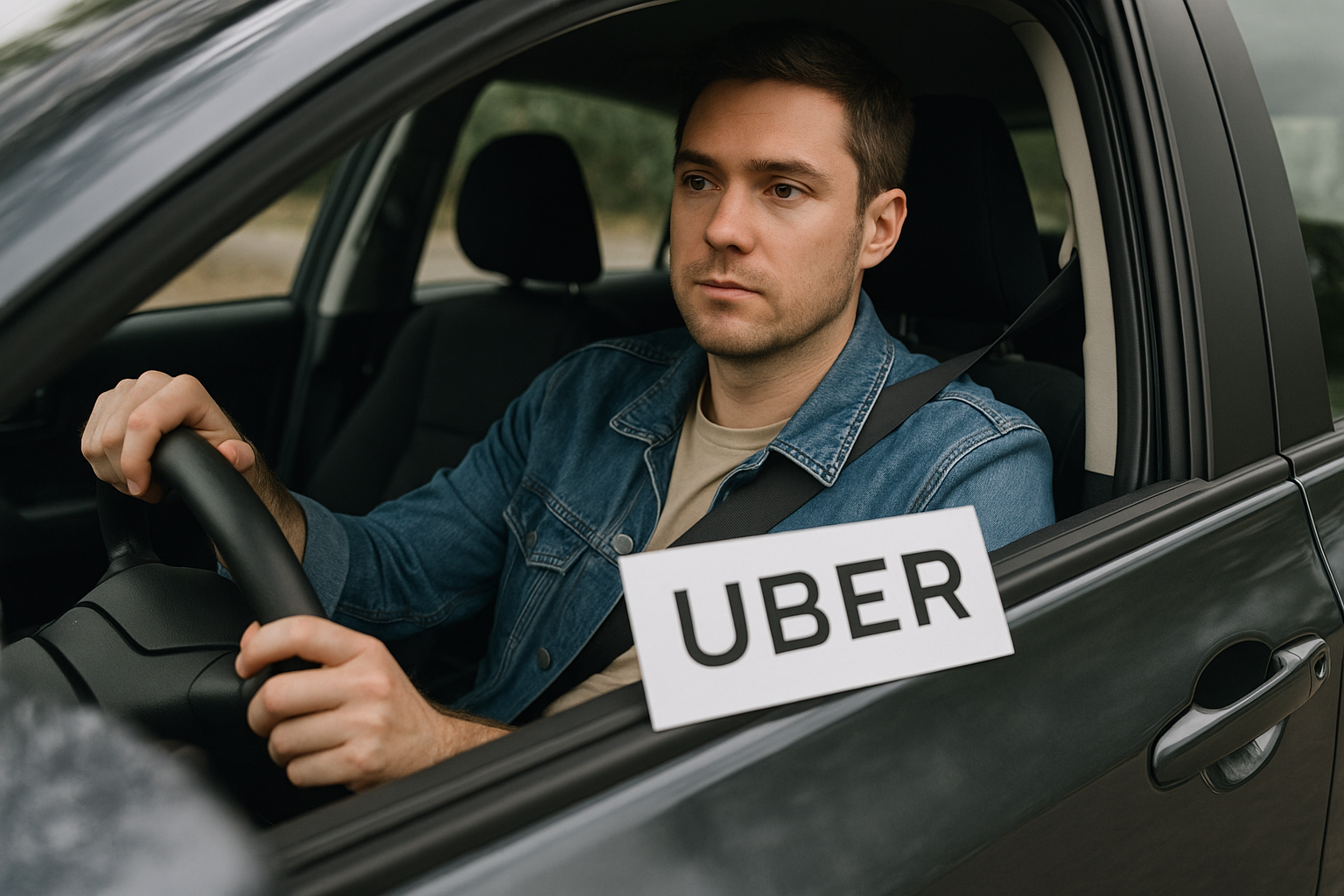
Understanding Personal Insurance Coverage for Uber Driving
For many drivers, the question of whether personal insurance fully covers rideshare activities, like driving for Uber, is crucial. While ridesharing can be a great way to earn extra income, it’s important for drivers to be informed about insurance coverage that applies specifically to this kind of work. This comprehensive guide will answer key questions and provide practical insights to help drivers navigate their insurance needs while driving for Uber in 2026.
What Is Personal Insurance?
Personal auto insurance is designed to cover risks associated with personal vehicle use. This includes coverage for bodily injuries, property damage, and liability when you're driving for personal reasons. However, these policies are not intended to cover commercial activities, such as using your car for Uber driving. Hence, understanding the limitations and conditions of your personal auto insurance is critical.
Does Personal Insurance Cover Uber Driving?
In most cases, personal auto insurance does not fully cover Uber driving. Typically, personal insurance policies exclude coverage for commercial activities. If you are driving for Uber and get into an accident, your personal insurance provider may deny a claim if it happens while you're logged into the Uber app, transporting or waiting for passengers. This is because rideshare driving is considered a commercial activity, which personal insurance typically does not cover.
The Role of Uber's Insurance Policy
Luckily, Uber provides a certain level of insurance coverage for its drivers. Here's a breakdown of Uber’s insurance policy:
- Offline: When your Uber app is off, your personal insurance coverage applies.
- Available or waiting for a ride request: Uber offers limited liability coverage of $50,000 per person, $100,000 per accident for bodily injuries, and $25,000 for property damage.
- En route to pick up passengers and during trips: Uber provides a $1,000,000 third-party liability coverage, comprehensive and collision up to the cash value of the car with a $2,500 deductible, and uninsured/underinsured motorist bodily injury coverage.
This tiered approach ensures that you have coverage at different stages of your rideshare service. However, it's important to have a clear understanding of what this coverage entails and where gaps might exist.
Why You Might Need Rideshare Insurance
Rideshare insurance is designed to bridge the gap between your personal auto insurance and Uber’s commercial coverage. This type of insurance typically comes into play when you have the app on and are waiting for a ride request, a phase where Uber’s provided coverage doesn’t fully protect your interests. Rideshare insurance can provide peace of mind by ensuring you have comprehensive coverage at all times.
Steps to Take If You’re Involved in an Accident
Accidents can happen at any time, and knowing what to do next is crucial. Here's a step-by-step guide:
- Ensure safety: Check for injuries and move to a safe location if possible. Call emergency services if necessary.
- Gather information: Collect details from other involved parties, including names, contact information, insurance details, and vehicle information.
- Document the scene: Take photographs of the accident scene, vehicle damage, and any visible injuries.
- Report the accident: Notify Uber using the driver app and inform your insurance provider.
- File a claim: Based on your situation and coverage, file a claim with the appropriate insurance company.
Legal and Financial Implications
It's also vital to consider the legal and financial consequences of insufficient coverage. If your personal insurance company finds out you were driving for Uber but had not disclosed it, they might cancel your policy, or your premiums could increase significantly. Legal challenges may also arise if injured parties decide to pursue damages beyond what Uber's insurance covers.
Practical Tips for Uber Drivers
Here are some practical tips for managing the complexities of insurance coverage as an Uber driver:
- Understand your policy: Review your personal auto insurance policy to clearly understand its exclusions and limitations regarding ridesharing.
- Consult with your insurer: It’s advisable to discuss your rideshare activities with your insurance provider to make sure you have appropriate coverage.
- Consider rideshare insurance: Evaluate whether a rideshare insurance policy could provide better protection during all phases of your driving activities.
- Stay informed: Keep updated with local and state laws as they can affect the extent of coverage required.
Current Trends in Rideshare Insurance (2026)
As of 2026, many insurance companies have developed specific rideshare policies, recognizing the growing gig economy. The increasing demand has led to more competitive prices and comprehensive offerings tailored to rideshare drivers. Additionally, some legislatures are beginning to require rideshare insurance, making it essential for drivers to stay informed about regulatory changes. [Insurance Journal, 2026]
Conclusion
While driving for Uber presents a lucrative opportunity, understanding how insurance policies work in this context is crucial. Personal insurance generally does not fully cover Uber driving. However, through a combination of Uber’s insurance and a supplemental rideshare policy, drivers can ensure better protection. It’s always optimal to maintain an open dialogue with your insurance provider and stay informed about the latest developments in rideshare insurance. For more insights, you may refer to resources like Consumer Reports for updated insurance guides.