Understanding Replacement Cost Coverage for Manufactured Home Insurance
Discover the ins and outs of manufactured home insurance with replacement cost coverage. Learn why this type of policy can offer peace of mind by covering the cost to replace your home in the event of damage.
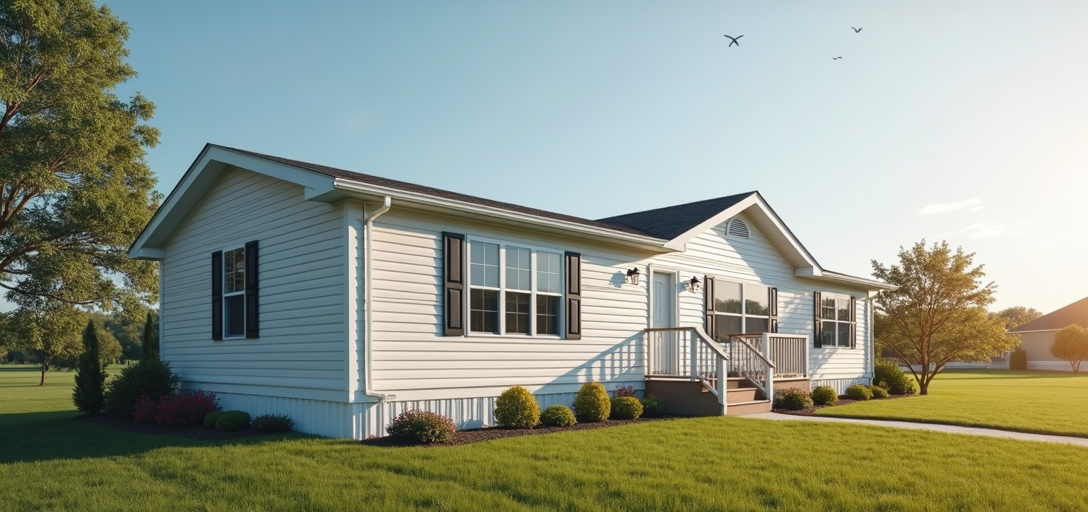
Understanding Manufactured Home Insurance
Manufactured homes, often referred to as mobile homes, provide an affordable living option for many Americans. However, like traditional homes, they need protection against unexpected events. Manufactured home insurance offers this protection, including policies with replacement cost coverage. This article explores the ins and outs of such insurance, who needs it, and why replacement cost coverage is essential.
What Is Manufactured Home Insurance?
Manufactured home insurance is a type of coverage that provides financial protection against damage to your home and belongings. It covers perils such as fire, windstorms, theft, and vandalism. This insurance is similar to homeowner's insurance but specifically tailored for manufactured or mobile homes, which differ in construction and materials from conventional homes.
Key Features of Manufactured Home Insurance
Insurance policies for manufactured homes usually include the following key features:
- Dwelling Coverage: This covers the structure of your home from covered perils, ensuring you can rebuild or repair if damage occurs.
- Personal Property Coverage: This coverage protects your belongings within the home, such as furniture and electronics.
- Liability Protection: If someone is injured on your property, liability coverage can help with legal fees or medical payments.
- Additional Living Expenses: If your home becomes uninhabitable due to a covered loss, this helps pay for temporary relocation expenses.
The Importance of Replacement Cost Coverage
Replacement cost coverage is a pivotal extension in any manufactured home insurance policy. It ensures that policyholders do not face financial loss when old assets incur damage or destruction. Here's why it's crucial:
What Is Replacement Cost Coverage?
Replacement cost coverage means your insurer will cover the cost to replace damaged parts of your home or possessions with new ones of similar kind and quality, without deducting for depreciation. This type of coverage typically leads to a higher payout as opposed to actual cash value policies, which factor in depreciation.
Benefits of Replacement Cost Coverage
- No Depreciation Deductions: Your compensation isn't decreased by wear and tear over time, ensuring more substantial financial relief in disasters.
- Peace of Mind: With full-value coverage, you can better budget and plan for unexpected events without worrying about affordability.
- Full Home Restoration: Enables complete structural or item replacement, maintaining your lifestyle without compromise.
Real-World Examples
Let's consider a practical scenario: A severe storm damages the roof of a manufactured home. With replacement cost coverage, the insurance would pay for a new roof similar to the previous one, without considering the roof's age. In contrast, an actual cash value policy would pay less, given depreciation of the roof over time.
Who Needs Manufactured Home Insurance?
Anyone owning a manufactured home in the United States should consider this insurance. Given the unique nature of these homes, standard homeowner's insurance might not adequately cover them. Manufactured home insurance is particularly crucial for:
- New Buyers: Ensure full protection from the start with an understanding of possible total replacement costs.
- Homeowners in Disaster-Prone Areas: Frequent storms or flooding areas increase the risks your home might face.
- Owners of Older Homes: As manufactured homes age, the need to protect against structural weaknesses grows.
Getting the Right Policy
How to Choose and Compare Policies
Choosing the right insurance policy involves assessing your needs and understanding policy details, such as coverage limits and deductibles. When comparing, consider these steps:
- Evaluate Coverage Needs: Determine what aspects of your home and property are most crucial to insure.
- Get Multiple Quotes: Compare policies from different providers to find the best balance between coverage and cost.
- Understand Terms and Exclusions: Ensure clear knowledge of what events are covered and any important exclusions.
For further guidance, consult resources like the National Association of Insurance Commissioners (NAIC) and their consumer information on manufactured housing policies.
Latest Trends and Data
According to data from the Insurance Information Institute, the demand for manufactured home insurance has seen a steady increase due to more homeowners recognizing the importance of comprehensive coverage. Recent statistics from 2026 indicate a 4% rise in policy adoption among new and existing homeowners compared to last year, highlighting the growing acknowledgment of risks associated with manufactured homes.
Conclusion: Protecting Your Investment
Manufactured homes represent a significant investment. Equipped with the right insurance, including replacement cost coverage, you safeguard against unforeseen losses, guaranteeing a secure and financially stable living situation. It's never too soon to get informed and obtain the coverage you need for peace of mind.