Understanding Rideshare Insurance: A Guide for Uber Drivers
Navigating the complexities of rideshare insurance coverage for Uber drivers can be challenging. Understanding how policies work, whether personal insurance covers your driving period, and when commercial insurance applies is crucial.
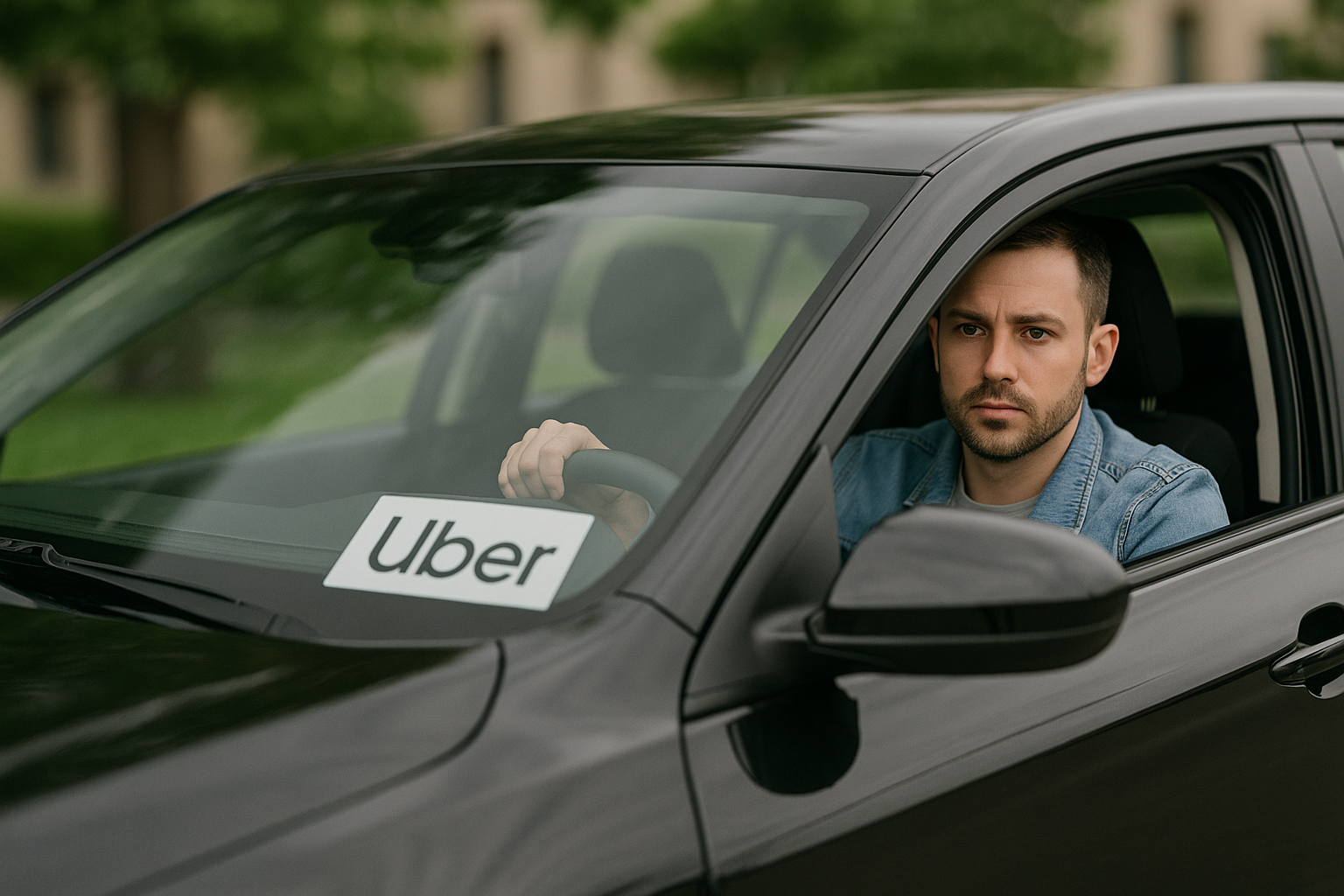
Understanding Rideshare Insurance for Uber Drivers
Rideshare driving with Uber has become an increasingly popular way to earn extra income, offering flexibility and freedom. However, many Uber drivers might not be entirely aware of the insurance implications. Rideshare insurance is a crucial consideration for any Uber driver, ensuring both personal safety and financial security. Let's delve into the intricacies of rideshare insurance coverage to better understand what it entails for Uber drivers.
What is Rideshare Insurance?
Rideshare insurance is a specialized auto insurance policy that provides coverage for drivers using their personal vehicles for rideshare services, such as Uber. This type of insurance bridges the gap between personal auto insurance and the commercial coverage provided by the rideshare company while you are logged into the app and waiting for passenger requests.
Why is Rideshare Insurance Important for Uber Drivers?
Though Uber offers coverage during certain phases of driving activity, personal auto policies often exclude coverage when the vehicle is being used for commercial purposes. Rideshare insurance plays a crucial role in:
- Filling Coverage Gaps: It ensures that drivers are covered even in phases not fully protected by Uber's insurance, especially when logged into the app but before accepting a trip.
- Avoiding Policy Voids: Relying solely on a personal auto policy could result in denied claims if an accident occurs during rideshare activity.
- Providing Peace of Mind: It assures drivers they are fully protected throughout their rideshare service, reducing anxiety related to potential accidents and liabilities.
How Does Rideshare Insurance Work?
Rideshare insurance covers the gaps through the different periods of rideshare driving:
- Period 1: You are logged into the Uber app but have not yet accepted a ride. Uber provides limited liability coverage during this phase, which rideshare insurance can supplement.
- Period 2 and 3: You have accepted a ride, are en route to pick up a passenger, or have a passenger in your car. Uber's insurance provides considerable coverage during these times, but additional rideshare insurance can supplement areas such as comprehensive and collision coverage, which might be contingent on having such coverage on your personal policy.
Recent Changes and Trends in 2026
The rideshare industry continues to evolve, adapting to new risks and market trends. As of 2026, there are some key updates every Uber driver should be aware of:
- Increased Coverage Requirements: Many states have imposed stricter insurance requirements, ensuring better protection for rideshare drivers. According to a recent study by Insurance Journal, states like California and New York have led the charge on these mandates, enhancing liability minimums.
- Technological Integration: Companies like Lemonade are integrating technology to offer real-time insurance updates and features directly through mobile apps, according to a TechCrunch article, facilitating smoother claims processes and better customer experiences.
Choosing the Right Rideshare Insurance
Selecting the appropriate rideshare insurance can be a daunting task given the variety of options. Here are key considerations to ensure you make an informed decision:
- Understand Your Existing Policy: Review your personal auto policy to understand the coverage, exclusions, and restrictions it imposes while engaging in rideshare activities.
- Evaluate Needs and Coverage Gaps: Identify which periods require additional coverage based on Uber’s policy and your driving habits.
- Compare Providers: Research insurance companies that specialize in rideshare policies, exploring offerings from giants like GEICO, Allstate, and Progressive, all of which provide comprehensive rideshare options.
- Check State Requirements: Verify that the insurance meets your state’s legal requirements for rideshare drivers to avoid penalties and ensure adequate coverage.
Real-World Examples of Rideshare Insurance in Action
Consider Sarah, an Uber driver from Boston, who recently encountered an accident while logged into the app but waiting for a trip request. Sarah’s personal auto insurance initially denied the claim due to her vehicle’s commercial use. However, with her rideshare insurance, the claim was successfully processed, covering the damages and providing her with peace of mind.
Another driver, Daniel from Los Angeles, appreciates the flexibility rideshare insurance offers, having been in a fender-bender while transporting a passenger. Thanks to his combined coverage, Daniel faced minimal out-of-pocket expenses, illustrating the tangible value of rideshare insurance.
Conclusion
Navigating insurance coverage as an Uber driver requires careful consideration and understanding of the potential gaps in protection. Rideshare insurance is more than just an optional add-on; it's a necessary component of financial security for those seeking flexibility in today’s gig economy.
While Uber does provide some insurance coverage, having supplemental rideshare insurance is crucial for reducing liability and ensuring peace of mind across all stages of your rideshare journey. By staying informed and choosing the right insurance solutions, Uber drivers can confidently hit the road, knowing they are well-protected.
Uber Driver Insurance Coverage Gaps
Uber Driver Insurance Coverage
Uber Driver Insurance Requirements
Uber Commercial Insurance Coverage
Uber Driver Collision Coverage