Understanding Section 8 Housing Eligibility: A Guide to Qualifying for Assistance
Discover the essentials of Section 8 Housing Eligibility and learn how you might qualify. This guide provides insights into the various factors that impact eligibility for Section 8 housing, including income limits and family composition.
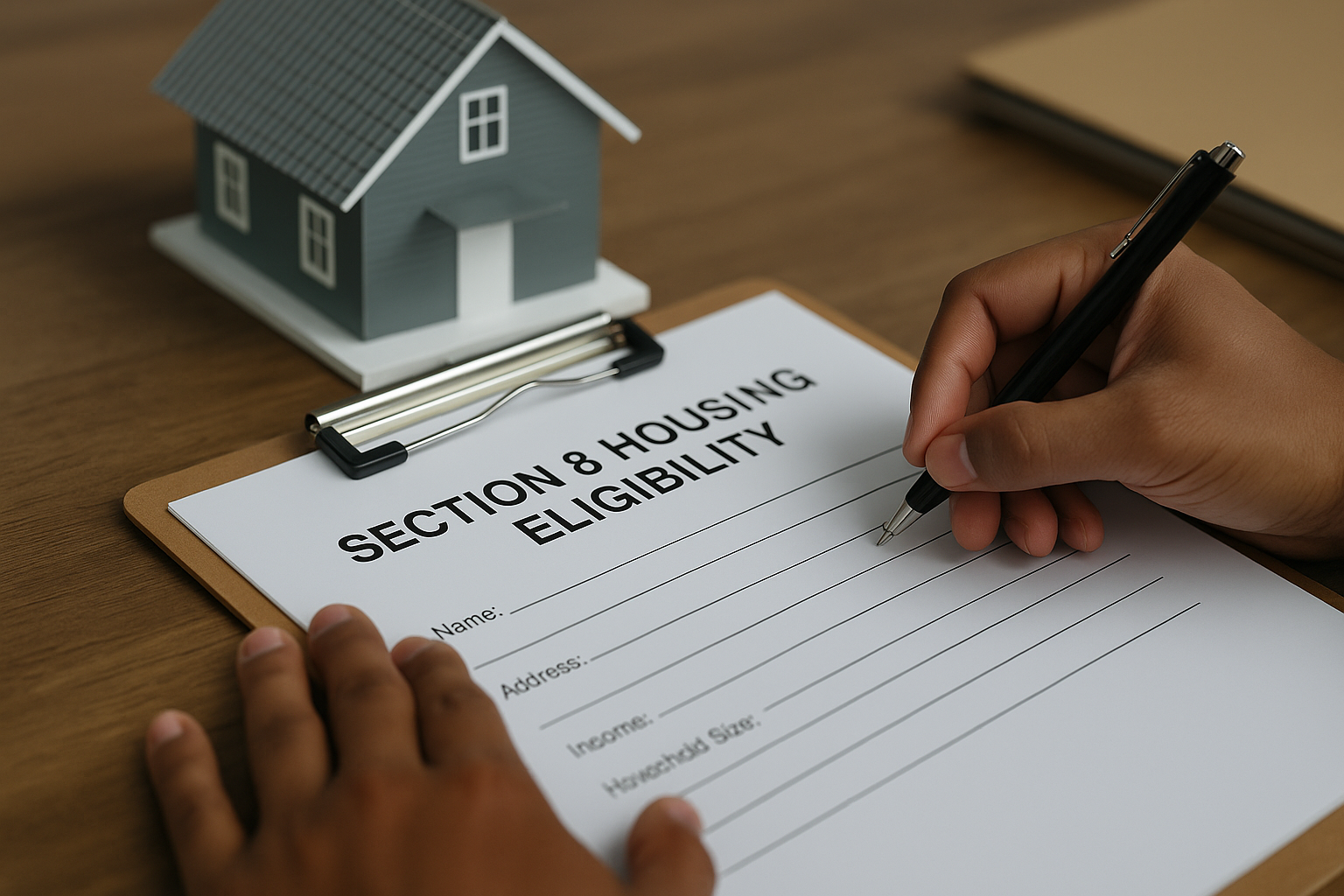
Understanding Section 8 Housing Eligibility
The Section 8 Housing Choice Voucher Program is a critical resource for many low-income families seeking affordable housing. Administered by the U.S. Department of Housing and Urban Development (HUD), this program provides vouchers that help cover the cost of renting a home in the private market. Understanding the eligibility criteria is essential for those who are considering applying for assistance under this program.
What is Section 8 Housing?
Section 8, formally known as the Housing Choice Voucher Program, offers rental assistance to low-income households, the elderly, and individuals with disabilities. This program allows participants to choose their housing, as long as it meets certain health and safety standards, and is not limited to single-size families but extends to a diversity of household compositions.
Eligibility Criteria for Section 8 Housing
Determining eligibility for Section 8 housing involves several key criteria, which are largely centered around household income, composition, and citizenship status. Here is a more detailed look at each requirement:
Income Limits
Income eligibility is the primary criterion for Section 8. According to the 2026 guidelines, the annual gross income must typically be at or below 50% of the median income for the county or metropolitan area in which you choose to live. HUD updates these figures annually, and specifics can vary significantly depending on the local cost of living.
- For example, in San Francisco, the 2026 income limit for a family of four is approximately $58,000 due to the high cost of living in the area.
- In contrast, a family of four in a rural area of Ohio might face an income limit closer to $35,000.
Household Composition
The program is designed to assist a diverse range of households, including single individuals, families with children, elderly households, and those with disabilities. Special consideration is often made for particularly vulnerable populations, such as people with disabilities or senior citizens.
Citizenship Status
Applicants must be U.S. citizens or have eligible immigration status. Verification is typically required, and a mixed-status family, where some members are eligible and others are not, may still receive assistance. However, the assistance amount will be prorated.
How to Apply for Section 8
Applying for Section 8 can be a complex process due to high demand. Here’s a step-by-step guide on navigating the application process effectively:
Contacting Your Local Public Housing Agency (PHA)
Your local PHA handles the application process for vouchers. It's essential to reach out directly to get specific information about how the process works in your area, as procedures can differ widely.
Document Preparation
Applicants should prepare essential documents that include identification, proof of income, and current housing situation details. The process typically requires personal documentation for verification purposes.
Waitlist and Selection
Given the high demand, many PHAs have a waiting list. Some regions prioritize based on need or urgency of housing instability. Keep in touch with the PHA and update any changes in your situation, as waitlists can take months or even years.
Commonly Asked Questions
There are several questions frequently asked by those seeking Section 8 assistance. Here are a few of them:
What happens if my income changes?
If your income changes, it’s crucial to inform your local PHA because your assistance amount may need adjustment. Regular updates must be provided to ensure compliance with program regulations.
Can I move and still keep my Section 8 voucher?
Yes, Section 8 is designed to be portable. Recipients can move anywhere within the United States where a PHA administers a housing choice voucher program. However, there are specific procedures for how and when moves can occur.
Real-World Examples
Consider the case of a working mother of two children, residing in Chicago. In 2026, she earns a total household income below 50% of the area's median income. After applying for Section 8, she was placed on a waiting list for 18 months. Today, she uses the voucher to rent an apartment in a safer neighborhood with better school districts, contributing positively to her children's educational opportunities and overall quality of life. This example underscores the significant impact of Section 8 assistance on families across the nation.
Recent Developments and Statistics
According to the latest HUD statistics from 2026, approximately 2.2 million low-income families in America are currently benefiting from the Section 8 program. Efforts are continually underway to expand funding and accessibility, particularly in urban areas where rental prices are escalating.
For further information, you can visit HUD’s Section 8 Fact Sheet or the National Low Income Housing Coalition for ongoing updates and housing policy news.
HUD Section 8 / Housing Choice Voucher Program
HUD Housing Choice Voucher fact sheet (eligibility & income limits)
Find your local Public Housing Agency (PHA) for Section 8 applications
GoSection8 / Affordable Housing listings (Section 8 apartments)
HUD Resource Locator for affordable housing & rental assistance
Benefits.gov Rental Housing Assistance programs
Section 8 income limits by state/county (HUD)
Apply for housing assistance online (local PHA search)