Understanding Secured Loans: Options for Bad Credit Borrowers
Exploring secured loans for bad credit? Discover insightful tips on how these loans might offer a path to financial stability. While secured loans for bad credit require collateral, they present an opportunity for improving your credit score over time.
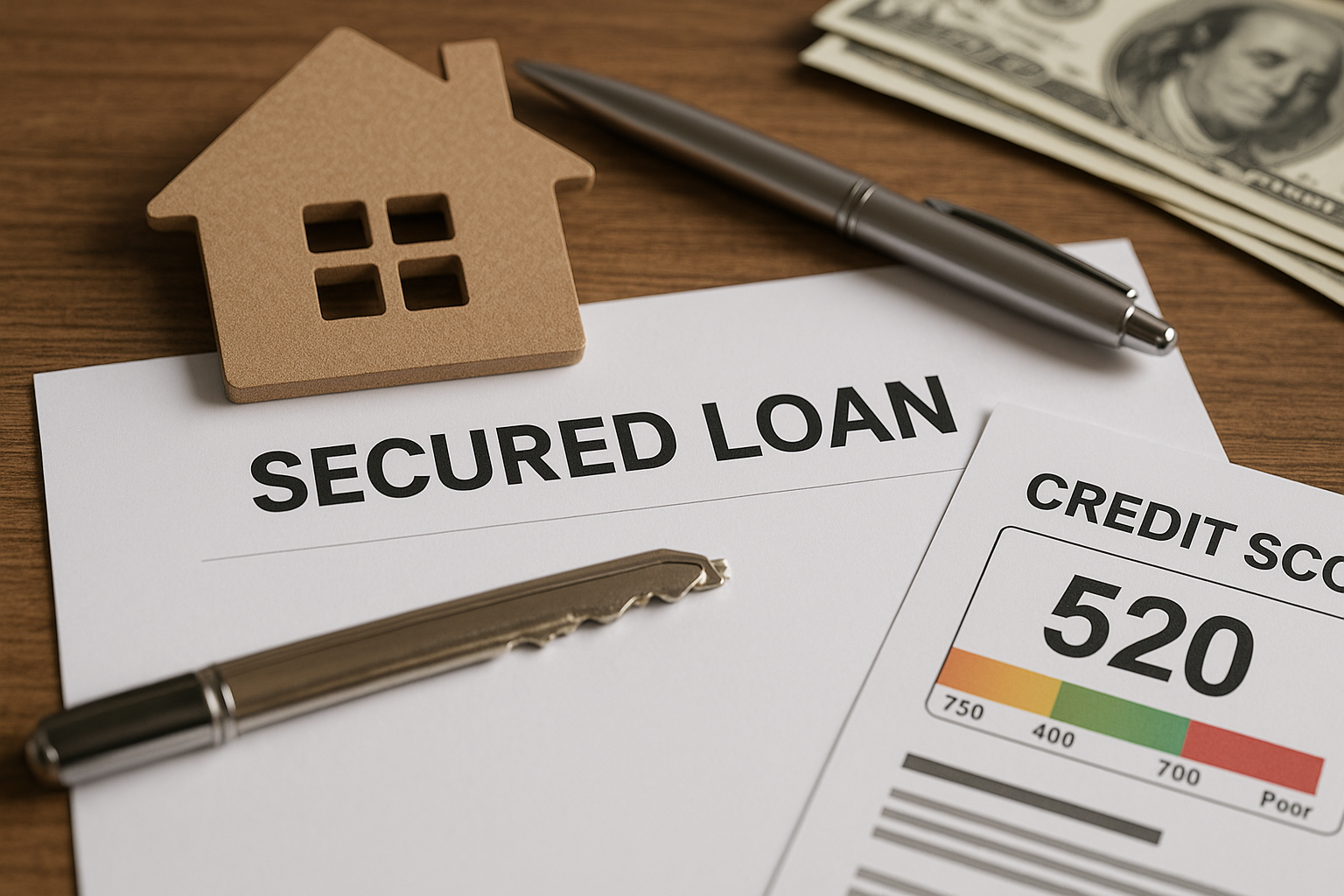
Understanding Secured Loans for Bad Credit
Secured loans can be a lifeline for those with bad credit looking for financial support. When traditional loan options with favorable terms are limited, secured loans present an alternative solution. But what exactly are secured loans, and how do they work for individuals with bad credit?
What Are Secured Loans?
Secured loans are a type of borrowing where the borrower pledges an asset as collateral against the amount being lent. This collateral might include a house, car, or other valuable assets. In essence, these loans reduce the lender's risk because they can claim the collateral if the borrower defaults. This doesn't just protect the lender; it can also lead to more favorable conditions for the borrower, like lower interest rates or higher borrowing limits, even if their credit score is less than stellar.
Why Consider a Secured Loan If You Have Bad Credit?
When your credit score is low, obtaining a traditional loan with reasonable terms can be challenging. Secured loans come into play by offering:
- Increased Access: The use of collateral increases approval chances.
- Potential for Better Rates: Less risk for the lender often means a better rate for the borrower.
- Larger Loan Amounts: Because the loan is secured, borrowers may be eligible for a higher amount.
These advantages make secured loans an appealing option. However, borrowers must weigh these benefits against the risk of losing the collateral if they can't keep up with repayments.
How to Qualify for a Secured Loan With Bad Credit
The qualification process for secured loans remains simpler than that for unsecured loans, primarily due to the collateral involved. Here's a step-by-step guide to improve eligibility:
Evaluate and Prepare Your Financial Situation
Before applying, consider your financial status. Are you able to afford another payment alongside your current financial obligations? Estimating your budget will help prevent defaults and potential collateral loss.
Select the Right Collateral
Choosing the right asset to use as collateral is crucial. While common options include property, vehicles, or savings, the asset should ideally have a value greater than the loan amount you're seeking. This reassures lenders of their risk coverage.
Research and Compare Lenders
Lenders offer varying terms and conditions. Utilize resources like aggregate comparison sites or consult financial advisors to find a lender that meets your needs. Some lenders specialize in high-risk loans, which can provide better terms for those with bad credit.
Understanding the Terms and Conditions
Secured loans come with conditions such as interest rates, repayment schedules, and fees. It's vital to read the fine print carefully. For instance, while a low-interest rate might seem appealing, hidden fees could add undue cost over time.
Real-World Examples and Statistics
As of 2026, according to a report from the Consumer Financial Protection Bureau, approximately 18% of U.S. adults have a credit score below 600, which is generally considered bad credit. For these individuals, secured loans can provide a path to accessing much-needed funds. An Experian report highlights that 34% of secured loan applicants with bad credit successfully obtained loans with terms significantly lower than the national average for unsecured loans.
Example Scenario
Consider a borrower with a credit score of 580 seeking a $10,000 loan. Due to their score, unsecured loans offered to them carry an average interest rate of 18-20%. By choosing to use their car as collateral, the borrower can secure the loan at an interest rate of 10%, amounting to significant savings over the loan term.
Potential Risks and Considerations
Despite the benefits, borrowers must stay informed about the risks:
- Asset Loss: Defaulting on a secured loan can lead to the lender taking possession of the collateral.
- Credit Score Impact: Late payments can still negatively affect your credit score, despite the collateral.
- Additional Fees: Be aware of closing fees or early repayment penalties that can increase the overall loan cost.
Lenders are also increasingly using technology to evaluate borrower risks. Tools like AI-driven credit assessments, as reported by FinTech Times in 2026, offer more nuanced understandings of borrower behavior, potentially benefiting those with less-than-ideal credit scores.
Final Thoughts
Secured loans can provide a viable financial pathway for individuals with bad credit. However, it's essential to stay informed, weigh the benefits against the risks, and choose options that align with your financial health and goals. By understanding the nuances of secured loans, borrowers can make well-informed decisions that ultimately reinforce their financial well-being.
https://www.bankrate.com/loans/personal-loans/how-to-get-a-bad-credit-loan/
https://www.experian.com/blogs/ask-experian/how-to-get-a-loan-with-bad-credit/
https://www.nerdwallet.com/personal-loans/best/bad-credit-loans
https://www.lendingtree.com/personal/what-to-know-about-no-credit-check-personal-loans/
https://www.chase.com/personal/credit-cards/education/build-credit/loans-with-bad-or-no-credit
https://www.onemainfinancial.com/resources/loan-basics/credit-score-for-personal-loan
https://www.lendingtree.com/personal/best-personal-loans-for-bad-credit/
https://www.usa.gov/loans