Understanding Sleep Apnea in Older Adults: Causes and Treatment Options
Discover the surprising factors contributing to sleep apnea in older adults, a condition impacting many. Explore various treatment options that cater to diverse needs and preferences.
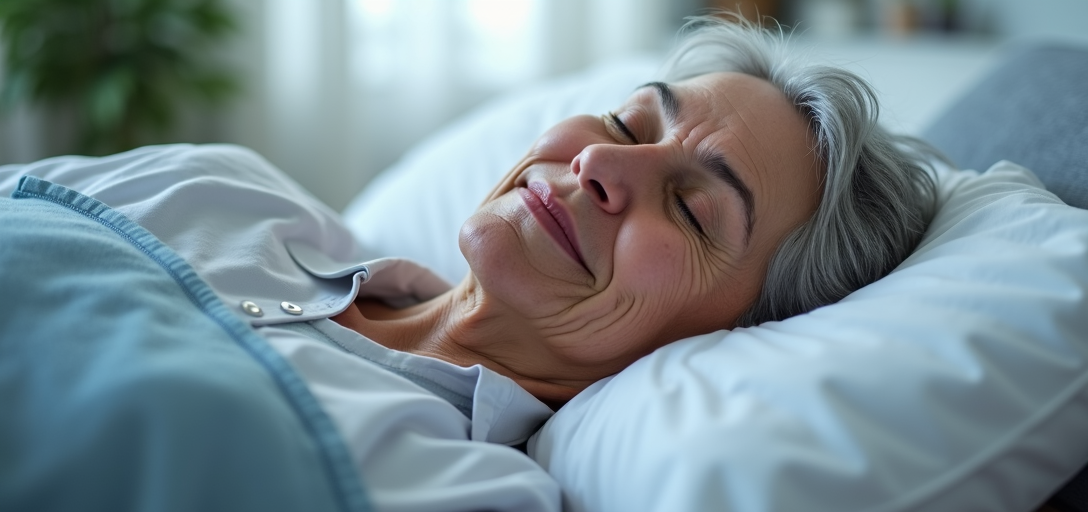
Understanding Sleep Apnea in Older Adults
Sleep apnea, a sleep disorder characterized by interrupted breathing during sleep, becomes increasingly prevalent as people age. In the United States, approximately 10% of older adults are affected by sleep apnea, according to research from the National Sleep Foundation (NSF). This condition is not only disruptive to sleep patterns but can also contribute to various health problems if left untreated.
What Causes Sleep Apnea in Older Adults?
The causes of sleep apnea in older adults are multifaceted and can involve both physiological and lifestyle factors. Here are some of the most common causes:
- Obstructive Sleep Apnea (OSA): This is the most common form of sleep apnea, where the muscles in the back of the throat fail to keep the airway open. Age-related changes, such as increased tissue laxity and accumulating fat around the neck, can exacerbate this condition in older adults.
- Central Sleep Apnea (CSA): CSA occurs when the brain fails to send the proper signals to the muscles that control breathing, which can result from conditions like heart failure or neurological disorders that are more frequent in the elderly.
- Mixed Sleep Apnea: A combination of obstructive and central sleep apnea, this form also becomes more prevalent with age.
- Health Conditions: Hypertension, diabetes, and other comorbidities commonly seen in older age can contribute to the development or worsening of sleep apnea.
- Lifestyle Factors: Lifestyle choices such as obesity, smoking, and alcohol consumption are strongly associated with sleep apnea risk.
Symptoms to Watch For
Identifying sleep apnea can be challenging but is critical for timely treatment. Common symptoms include:
- Chronic snoring
- Frequent awakenings with gasping or choking
- Daytime sleepiness or fatigue
- Morning headaches
Treatment Options for Sleep Apnea
Treatments for sleep apnea have evolved, offering a range of options tailored to individual needs and the severity of the condition. Here are some effective treatments:
Continuous Positive Airway Pressure (CPAP) Therapy
CPAP therapy remains the gold standard treatment for obstructive sleep apnea. It involves wearing a mask connected to a machine that provides a steady stream of air to keep the airways open during sleep. While effective, adherence can be an issue, and older adults may require support with mask fitting and machine adjustments.
Lifestyle Modifications
Implementing healthy lifestyle changes can significantly impact sleep apnea symptoms:
- Weight Management: Losing excess body weight can reduce pressure on the airways, decreasing the severity of apnea episodes.
- Smoking Cessation: Quitting smoking can improve respiratory health, reducing inflammation and fluid retention in the airways.
- Limiting Alcohol: Reducing alcohol intake before bed can help prevent airway obstruction by relaxing throat muscles.
Oral Appliances
For those unable to tolerate CPAP, oral appliances designed by a dentist can reposition the jaw and tongue to keep the airway open. These devices are particularly useful for mild to moderate cases of obstructive sleep apnea.
Surgical Interventions
In cases where non-invasive treatments fail, surgical options can be considered. Procedures like Uvulopalatopharyngoplasty (UPPP) or Inspire therapy—which uses a surgically implanted device to stimulate airway muscles during sleep—could be beneficial, though these come with increased risks given the patient's age.
Exploring New Frontiers
With advancements in technology, emerging treatments such as positional therapy, which involves specialized devices to prevent back-sleeping, and the use of myofunctional therapy to strengthen airway muscles, are showing promise as complementary interventions.
The Importance of Seeking Medical Guidance
Timely diagnosis and management of sleep apnea are crucial, as untreated sleep apnea is linked with increased risks of cardiovascular diseases, cognitive impairments, and overall decline in quality of life. Older adults experiencing symptoms are encouraged to consult with healthcare providers for a comprehensive evaluation, which may include a sleep study.
Conclusion
While sleep apnea is a significant health concern among older adults in the US, a variety of treatment options enable management of the condition, allowing for improved sleep quality and overall wellbeing. Ongoing research and developments in this field continue to refine and expand the options available, ensuring tailored and effective treatment plans for older adults. For more detailed guidance, consider consulting credible resources like the American Academy of Sleep Medicine and recent findings available on sleepfoundation.org and cdc.gov.