Understanding Solar Panel Installation: How to Know If Your Home Qualifies
Solar installation eligibility can vary based on several home factors, from location to roof condition. Understanding your home's specific criteria ensures you maximize potential savings. Explore how eligibility requirements differ and what you can do to improve your chances.
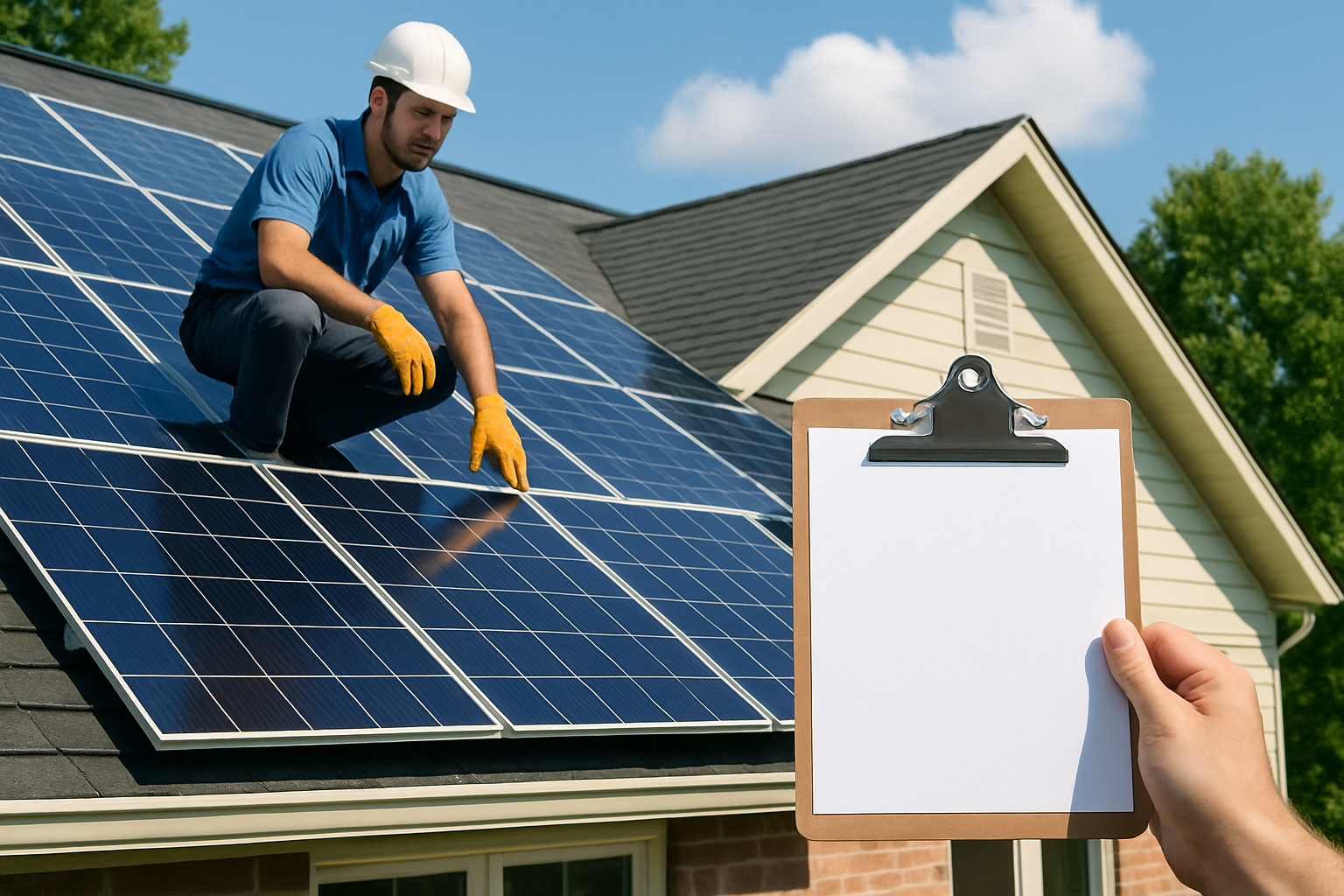
Understanding Solar Installation Eligibility
As interest in renewable energy sources grows, more homeowners are considering solar installations. However, eligibility for solar installation can vary widely based on several factors, predominantly centered around the characteristics of your home. This article aims to expand on crucial questions and considerations regarding solar installation eligibility.
Factors Affecting Solar Installation Eligibility
There are multiple aspects of a home that determine if solar panels are a suitable and effective option. Understanding these factors will help you make an informed decision about pursuing solar energy for your household.
1. Sunlight Exposure and Roof Orientation
One of the primary considerations for solar panel installation is the amount of sunlight your roof receives. Ideally, your roof should have enough unshaded space and face south (in the Northern Hemisphere) to maximize sunlight absorption. Homes with roofs that have significant shade or face away from the sun may experience reduced energy output from solar panels.
- Shading: Trees, neighboring buildings, and other obstructions that cast shadows on your roof can significantly affect solar efficiency.
- Orientation: Although south-facing roofs are preferred, east- and west-facing roofs can also be viable with some trade-offs in energy production.
2. Roof Condition and Type
The age, condition, and material of your roof play a crucial role in solar installation eligibility. Solar panels have an average lifespan of 25-30 years, so your roof should be in good condition to avoid premature repair or replacement costs.
- Age and Durability: If your roof is nearing the end of its lifespan, it's wise to replace it before installing solar panels.
- Material: Most roofing materials such as asphalt shingles, metal, and tiles are suitable for solar installation, but some materials may require additional mounting systems or adjustments.
3. Local Regulations and Building Codes
Before installing solar panels, homeowners must navigate local zoning laws, building codes, and homeowner association rules that can affect installation. Obtaining proper permits is crucial to ensure compliance and safety.
- Permits: Most local governments require permits for solar installation to ensure structural and electrical safety.
- Covenants: Some homeowner associations may have restrictions on solar panel installations, so it's important to review any community regulations.
4. Financial Incentives and Benefits
Solar installations can offer significant financial benefits, including energy savings and potential increases in property value. Various incentives, rebates, and tax credits can make solar investments more appealing.
- Tax Credits: The federal solar tax credit offers a significant reduction in the cost of installing solar systems. As of 2026, the tax credit is a renowned way to lower initial costs.
- Rebates and Incentives: Many states and utilities offer rebates or performance-based incentives to encourage solar adoption.
Source: [Energy Sage](https://www.energysage.com) and [SEIA](https://www.seia.org).
5. Energy Requirements and System Size
Your energy consumption patterns and the potential size of a solar system suitable for your home are essential metrics to assess. These factors will influence the cost and effectiveness of your solar installation.
- Energy Audit: Conducting an energy audit of your home helps determine the optimal system size to meet your energy needs without excess capacity.
- System Options: Solar systems can be tailored to fit specific budgetary and consumption needs, from small supplementary systems to complete energy independence solutions.
The Impact of Solar on Property Value
Investing in solar panels can increase your property's value by reducing energy costs for future homeowners. According to recent studies, homes with solar installations tend to sell faster and at higher prices than those without.
Choosing the Right Solar Installer
Selecting a reputable and experienced solar installer is vital to ensure the quality and longevity of your solar panels. Look for certified installers with positive customer reviews and a solid track record.
Real-World Success Stories
Many homeowners have successfully transitioned to solar power, experiencing significant energy savings and contributing to environmental sustainability. Consider stories from homeowners who have navigated zoning laws, optimized sunlight exposure, and maximized financial incentives.
The Future of Residential Solar Power
The landscape of residential solar power is evolving rapidly, with technological advancements and financial models making solar more accessible. Stay informed about new developments, such as solar shingles or community solar programs, to explore the most effective energy solutions for your home.
By understanding the eligibility criteria for solar installation based on your home, you can unlock the remarkable benefits of solar energy and contribute to a cleaner, more sustainable future.
Source: [IRENA](https://www.irena.org) and [NREL](https://www.nrel.gov).