Understanding Solar Panel Savings: Projecting Your 2026 Energy Costs
Curious about the future savings of solar panels? By 2026, solar energy is expected to be even more efficient, potentially reducing energy costs significantly. While exact figures depend on various factors like location and energy usage, homeowners using solar panels could see noticeable savings.
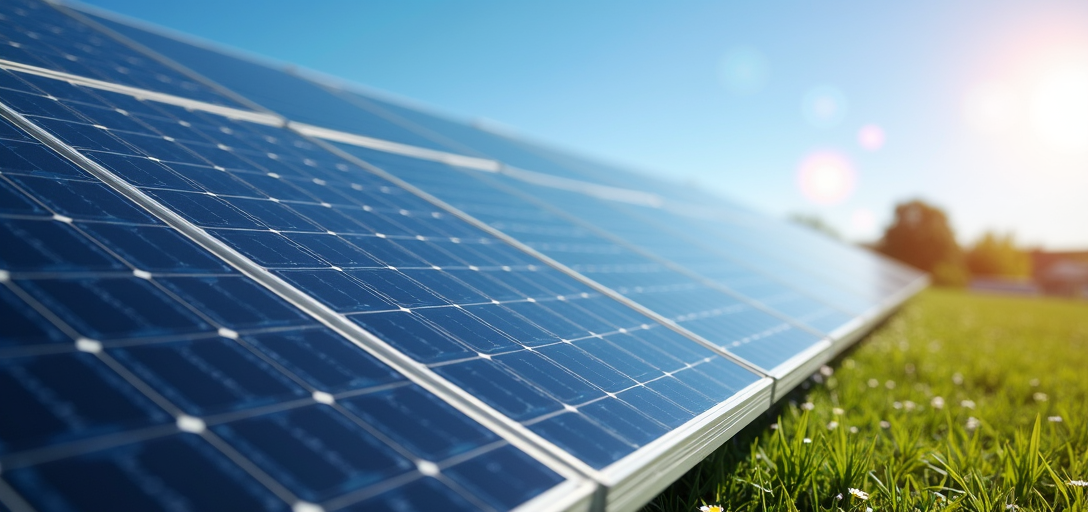
Understanding the Financial Benefits of Solar Panels in 2026
As solar technology continues to evolve and become more accessible, many homeowners in the US are considering making the switch to renewable energy. The primary question on everyone's mind is, "How much money do solar panels save in 2026?" To provide a comprehensive answer, it's important to consider various factors that affect savings, including cost reductions, energy efficiency improvements, and government incentives.
Cost Reductions in Solar Panel Technology
Over the past decade, the cost of solar panels has significantly decreased. According to the National Renewable Energy Laboratory (NREL), the cost of solar photovoltaic (PV) systems has dropped by approximately 70% since 2010 (source). In 2026, this trend continues as new manufacturing processes, increased market competition, and technological advancements further drive down costs. As a result, the upfront investment for solar installation is more affordable for an average homeowner.
Energy Efficiency Improvements
Solar panels have also become more efficient in converting sunlight into electricity. In 2026, homeowners can expect panels with efficiency rates ranging from 22% to 24%, compared to the 15%-20% typical a decade ago. This improvement means that even small roof spaces can generate significant energy, maximizing savings on electricity bills. For example, a household in sunny California could see a reduction in their annual electricity bill by 30%-50% by harnessing solar power.
Government Incentives and Tax Credits
In 2026, several government incentives are available to encourage solar adoption. The federal Residential Renewable Energy Tax Credit offers substantial tax benefits, allowing homeowners to claim up to 26% of their solar installation costs on their tax returns (source). Additionally, many states offer their own rebates and incentive programs, which further reduce upfront costs and improve the return on investment for solar installations.
Understanding Net Metering
Net metering policies play a crucial role in maximizing solar savings in the US. Under this system, solar panel users receive credits for the excess energy they generate and send back to the grid. In 2026, over 40 states have robust net metering programs, allowing homeowners to effectively reduce or even eliminate their monthly electricity bills during sunny months. However, policies vary by state, so it's essential to understand your local regulations to fully capitalize on net metering benefits.
Calculating Long-term Savings
To estimate the long-term financial benefits of solar panels, consider the following factors:
- System Size: The larger the system, the more energy it can generate.
- Sunlight Exposure: Areas with higher sun exposure yield more energy production.
- Local Energy Costs: Higher local electricity rates lead to greater savings.
For example, a typical 5-kilowatt solar system costs around $15,000 in 2026, inclusive of federal tax credits, and can save a homeowner up to $1,500 annually on electricity bills. Over the system’s 25-year lifespan, this translates to approximately $37,500 in savings, offering a return on investment of more than 200%.
Real-World Example: Solar Savings in Texas
Consider a family in Austin, Texas, where sunlight is abundant and electricity rates are relatively high. By installing a 6-kilowatt system, they spend about $18,000 initially. Through a combination of federal and state incentives, they reduce their installation cost by nearly 30%. The system generates enough energy to decrease their yearly electricity expenses by $1,700. Over 25 years, the family's total savings can exceed $47,500.
Common Questions About Solar Energy Savings
What Happens on Cloudy Days or During Winter?
Solar panels still generate electricity on cloudy days and in winter months, although at reduced efficiency. Modern systems can capture diffused sunlight, ensuring consistent energy production all year round. Additionally, energy storage solutions, such as home batteries, allow homeowners to store excess solar power generated during sunny days for use during less optimal conditions.
How Long Before Solar Panels Pay for Themselves?
The payback period for solar panels typically ranges from 7 to 10 years, depending on installation costs, energy savings, and incentives. In states with high energy costs and strong sun exposure, this period can be even shorter. Once the system pays for itself, all subsequent savings contribute directly to reducing household expenses.
How Can I Finance My Solar Panel Installation?
Various financing options make solar installations more accessible. Homeowners can explore loans, leases, or power purchase agreements (PPAs) to fund their systems without bearing immediate upfront costs. These options ensure that the transition to solar energy is financially viable for a broader range of consumers.
Conclusion
As the US continues to advance in renewable energy, solar panels present a viable and financially beneficial option for homeowners looking to reduce their environmental footprint while saving money. By understanding the impacts of technological advancements, government incentives, and local conditions, homeowners can make informed decisions about solar investments. With the right approach, solar panels can offer substantial annual savings and eventually, energy independence for countless American households.
Explore more about solar energy savings here.