Understanding Sperm Donation Compensation: What You Need to Know
Explore the benefits and considerations of sperm donation compensation. While amounts can vary, donors might receive financial rewards for their contribution. Learn what factors influence sperm donation compensation, including the donor's location, health, and demand.
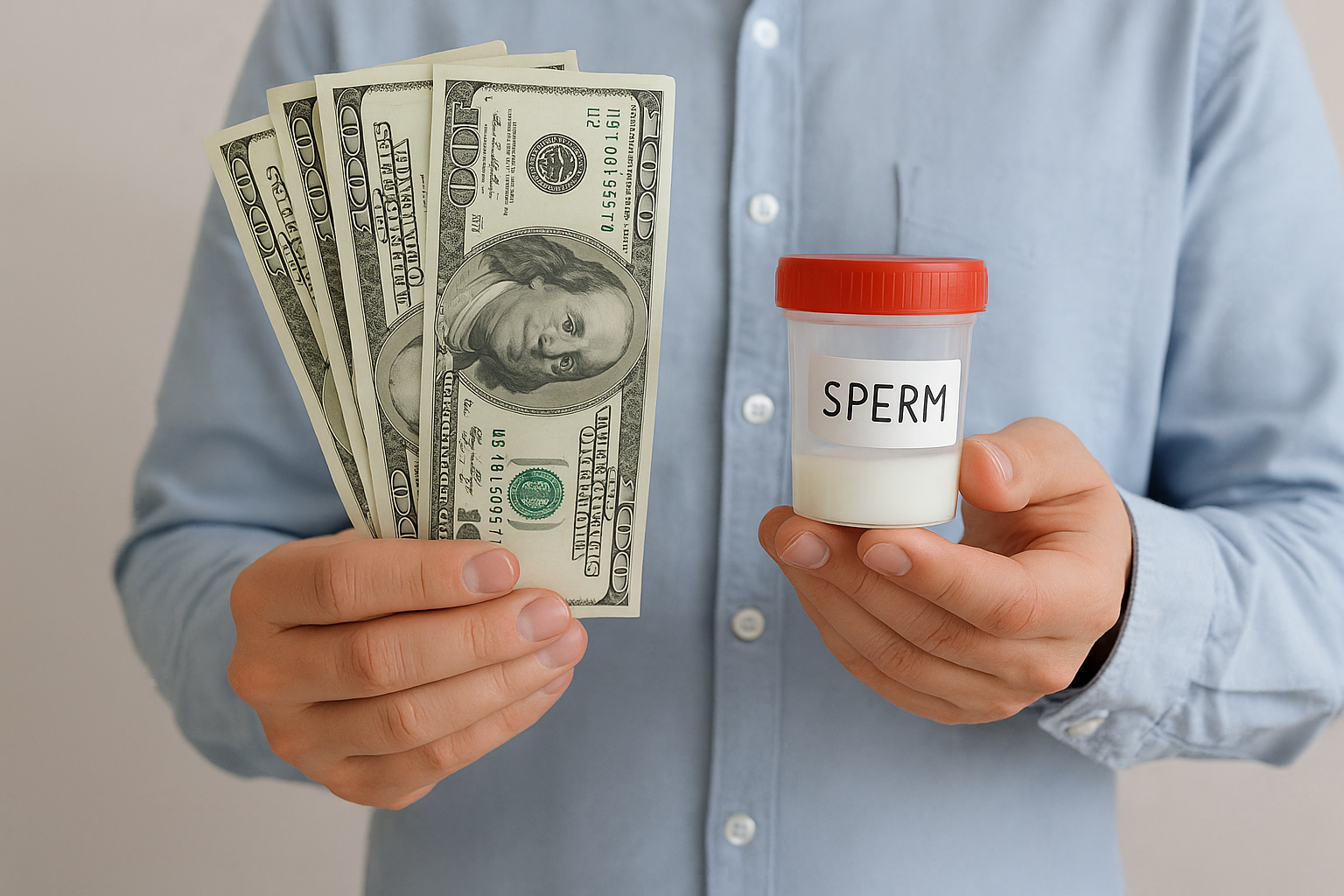
Understanding Sperm Donation Compensation
Sperm donation is a process that involves a healthy male providing his sperm to aid individuals or couples in achieving pregnancy. This altruistic act is not only helpful to those who need it but can also be financially rewarding for the donor. But what does sperm donation compensation entail, and what should potential donors consider before participating?
How Much Compensation Can You Expect?
Compensation for sperm donation varies widely depending on the country, region, and specific clinic. In the United States, donors can earn anywhere from $70 to $150 per donation visit. Regular donors might visit the clinic weekly, potentially earning up to $1,500 per month. It's important to note that compensation is not 'pay for sperm' but rather compensation for time, travel, and effort.
Why Are Sperm Donors Compensated?
The compensation is designed to acknowledge the donor's commitment and the personal time involved. It encourages responsible participation and helps ensure that sperm donors meet the clinics' strict health and reliability standards.
Who Is Eligible to Donate Sperm?
Sperm banks have strict criteria to ensure the health and genetic viability of the sperm. Typical requirements often include:
- Age: Typically, donors must be between 18 and 39 years old.
- Health: Donors must meet specific health criteria and pass rigorous genetic and infectious disease screenings.
- Lifestyle: Non-smokers, who lead a healthy lifestyle and have a healthy BMI, are often preferred.
What Is the Process of Becoming a Sperm Donor?
Potential sperm donors undergo a thorough screening process that includes:
- Initial Questionnaire: A detailed health and lifestyle questionnaire that assesses overall suitability.
- Medical Examination: A physical exam and blood tests to check for diseases and evaluate sperm quality.
- Sample Collection and Testing: Producing several semen samples which are then evaluated for count, motility, and morphology.
- Consent and Information: Legal documentation explaining the rights and responsibilities associated with donation.
Potential Benefits and Considerations for Donors
In addition to the financial compensation, donating sperm can be a fulfilling experience. Participating can contribute significantly to individuals and couples hoping to start a family. However, potential donors should consider:
- Time Commitment: Regular visits over several months are often required.
- Medical and Genetic History Disclosure: Extensive personal medical history disclosure is mandatory.
- Anonymity and Future Contact: Some donors can choose anonymity, but legal changes and advancements in genetic testing may complicate this.
The Role of Sperm Donation in Fertility Assistance
Sperm donation plays a critical role in fertility treatments. It's used in situations such as:
- Individuals or couples facing male infertility issues.
- Single women wanting to conceive.
- Same-sex couples planning to have children.
Recent Developments in Sperm Donation
In 2026, advancements in health technology and broader acceptance have contributed to the evolving landscape of sperm donation. Access to genetic and fertility services has improved, making it easier for donors to participate and for recipients to select ideal matches based on genetic markers.
Additionally, increased awareness and understanding of genetic data privacy have begun influencing changes in how donor information is stored and accessed.
Resources for Aspiring Donors
It's crucial for prospective donors to conduct thorough research and consult credible resources. Some helpful starting points include:
- Society for Assisted Reproductive Technology (SART): sart.org
- National Infertility Association: resolve.org
- U.S. Food & Drug Administration (FDA) guidelines on sperm donation: fda.gov
Conclusion
Sperm donation is a valuable service that not only helps those facing fertility challenges but can also provide significant compensation to donors. By understanding the process, requirements, and potential implications, individuals can make informed decisions about participation. Whether motivated by altruism, compensation, or both, sperm donation remains a vital component of modern fertility treatments.