Understanding State Farm's 2026 Roof Replacement Coverage Rules for Seniors
Curious about State Farm's roof replacement coverage rules for seniors? In 2026, they're introducing new policies aimed at helping seniors manage roof repair costs. Discover how these changes could impact your coverage options.
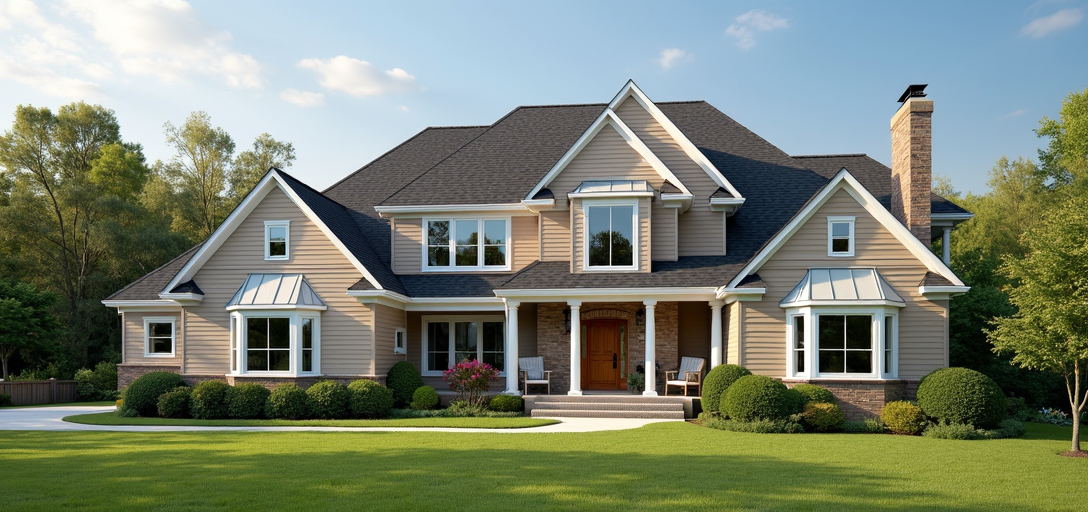
State Farm Has These Roof Replacement Coverage Rules for Seniors in 2026
A damaged roof can be an expensive problem for homeowners, particularly retirees who want to manage household expenses carefully. In 2026, State Farm homeowners insurance may help pay for roof repairs or replacement when damage results from a covered event, subject to the policy's terms, deductible, and coverage limits.
However, State Farm does not offer one universal roof replacement rule specifically for seniors. Coverage depends on the policy, the cause of damage, the roof's condition, and applicable state requirements. Here are the main rules older homeowners should understand before filing a claim.
1. When Does State Farm Cover Roof Replacement?
State Farm homeowners insurance may cover roof damage caused by certain unexpected events, including:
- Windstorms: Covered wind damage may include shingles that are torn off or other physical damage to the roof.
- Hail: Hail damage may qualify when the damage is covered under the policy.
- Fire: Roof damage caused by a covered fire may qualify for repairs or replacement.
- Falling trees: A tree falling onto the roof may be covered, depending on the circumstances and policy terms.
- Lightning: Damage caused by a covered lightning event may qualify.
Coverage depends on the specific facts of the loss. An inspection and claim review determine whether the damage is covered and whether repair or replacement is appropriate.
Official information: https://www.statefarm.com/claims/home-and-property
2. Does State Farm Pay for an Old Roof?
An older roof is not automatically entitled to a free replacement. The age and condition of the roof may affect coverage, underwriting, and the amount paid for a claim.
For example, if a covered hailstorm damages an older roof, State Farm will evaluate the damage and apply the policy's loss-settlement provisions. If the roof needs replacement because it has reached the end of its useful life, that deterioration alone generally is not covered.
Homeowners should ask their agent whether roof age affects their current policy, renewal eligibility, or available coverage options.
3. Replacement Cost vs. Actual Cash Value
One of the most important details to check is how the policy calculates payment for roof damage.
Replacement Cost Value (RCV): This generally pays the eligible cost to repair or replace covered damage with comparable materials, subject to the deductible, policy limits, and applicable conditions. Some policies initially pay actual cash value and release the remaining eligible replacement-cost amount after repairs are completed.
Actual Cash Value (ACV): This generally accounts for depreciation based on the roof's age, condition, and other relevant factors. As a result, the payment may be substantially less than the cost of installing a new roof.
For example, if replacing a damaged roof costs $15,000, the claim payment may be lower after depreciation and the deductible if the policy uses actual cash value.
Do not assume your policy provides full replacement-cost coverage. Review the declarations page, endorsements, and loss-settlement provisions.
Learn more: https://www.statefarm.com/simple-insights/residence/replacement-cost-vs-market-value
4. How Much Will Seniors Pay Out of Pocket?
Even when roof replacement is covered, the homeowner may have to pay part of the cost.
Potential expenses include:
- Deductible: The amount the policyholder must pay toward a covered claim.
- Depreciation: May reduce the initial or final payment under an actual-cash-value settlement.
- Uncovered damage: Repairs caused by wear, deterioration, or excluded events may be the homeowner's responsibility.
- Code upgrades: Additional costs required to meet current building codes may require specific coverage.
- Costs above policy limits: The homeowner may be responsible for amounts exceeding applicable limits.
Some policies use a separate percentage deductible for wind or hail damage. Check your policy to see whether a special deductible applies and how it is calculated.
5. Does State Farm Cover Roof Leaks?
Roof leaks may be covered when they result from a covered event, but the cause of the leak matters.
For example, if a covered storm damages shingles and rain enters through the resulting opening, the policy may cover eligible damage. However, a leak caused by a deteriorated roof, neglected maintenance, or defective workmanship generally is not covered simply because water entered the home.
If you notice water stains on ceilings, missing shingles, or other signs of roof damage, document the condition and contact your insurer promptly.
6. Do Seniors Get Special Roof Replacement Discounts?
State Farm's standard roof coverage information does not establish a universal senior-specific roof replacement discount or a special age-based claim entitlement.
Nevertheless, homeowners can ask their agent about discounts or policy options that may apply to their circumstances. Depending on the state and policy, roof materials, impact resistance, home safety features, or other qualifying factors may affect premiums.
Before replacing a roof solely to obtain an insurance discount, request confirmation from State Farm that the improvement qualifies and ask how much it could change the premium.
7. Can an Older Roof Affect Insurance Renewal?
An older roof may affect an insurer's underwriting decision, depending on its condition, the policy, and state regulations. There is no single nationwide roof-age cutoff that applies to every State Farm policy.
If your roof is aging, consider these steps:
- Ask your agent whether the roof's age or condition affects your coverage or renewal.
- Arrange a professional roof inspection if recommended.
- Keep receipts and records of previous repairs or replacement.
- Ask whether the policy settles roof claims on an RCV or ACV basis.
- Review other insurers' offers if you need to compare coverage or renewal options.
State insurance rules vary, so homeowners should check their state's insurance department for any additional protections that may apply.
8. How to File a State Farm Roof Damage Claim
If you believe your roof has been damaged by a covered event, take these steps:
- Document the damage: Take photographs from a safe location and record when the damage occurred.
- Prevent further damage: Take reasonable temporary steps to protect the property, without putting yourself at risk.
- Contact State Farm: Report the loss through your agent, online account, or the claims service.
- Arrange an inspection: State Farm may inspect the roof and assess the cause and extent of damage.
- Review the estimate: Check the covered repairs, deductible, depreciation, and any applicable limits before authorizing work.
State Farm's home and property claims number is 800-732-5246. Do not sign a contractor agreement you do not understand or assume that an insurer has approved a full replacement before receiving confirmation.
Conclusion
State Farm may cover roof replacement for seniors in 2026 when damage results from a covered event and the policy's conditions are met. However, old age, ordinary deterioration, and maintenance problems generally do not qualify as covered losses on their own.
The most important factors are the cause of damage, whether the policy uses replacement cost or actual cash value, the applicable deductible, and any roof-specific restrictions. Reviewing these details with a State Farm agent can help older homeowners understand their financial responsibility before beginning repairs.