Understanding Storm Damage Coverage with NRMA Insurance
Wondering if NRMA covers storm damage? This article explores what kind of protection NRMA offers for stormrelated incidents.
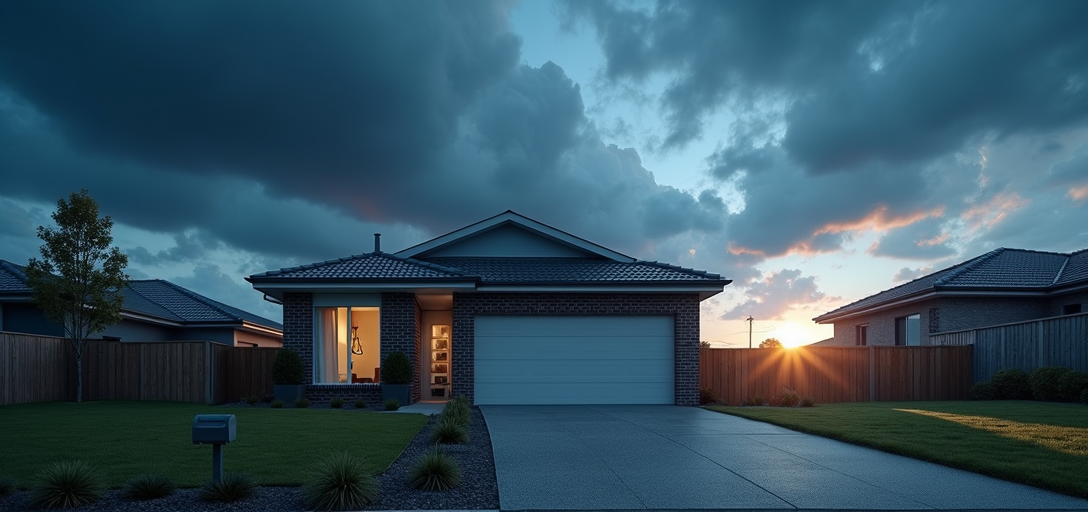
Understanding NRMA's Coverage for Storm Damage
When considering insurance options for storm damage, potential policyholders often wonder, "Does NRMA cover storm damage?" In this comprehensive guide, we'll explore the specifics of NRMA's policies regarding storm damage and provide essential information to help you make an informed decision.
What Is Storm Damage Coverage?
Storm damage coverage is a critical aspect of many home and auto insurance policies, offering financial protection against the damage caused by severe weather events such as heavy rains, hail, strong winds, and lightning. With the increasing frequency and severity of storms, especially in regions vulnerable to such natural occurrences, having a clear understanding of your insurance coverage is more important than ever.
The primary goal of this coverage is to help mitigate repair costs and reduce the financial burden on homeowners or vehicle owners in the aftermath of a storm. This can include repairs to structural damage, replacement of damaged items, and sometimes temporary living expenses if your home is deemed uninhabitable.
Does NRMA Cover Storm Damage?
NRMA offers coverage options that include protection against storm damage, provided you have selected the appropriate policy. NRMA's home insurance and motor vehicle insurance policies typically include coverage for different types of storm-related incidents. Here’s an in-depth look at how NRMA’s storm damage coverage works:
Home Insurance
Under NRMA's home insurance policy, storm damage is generally covered. This can encompass several aspects, such as damage to the building structure and contents within the home. It also includes:
- Structural Damage: Coverage for repairs to roofs, walls, doors, and windows damaged by storms.
- Contents Insurance: Compensation for personal belongings damaged by storm conditions, which can include electronics and furniture.
- Temporary Accommodation: Assistance with living expenses if your home is temporarily unfit for living due to storm damage.
It's important to understand that coverage limits and conditions will depend on the specific type of policy you choose. Always review your policy details or speak with an NRMA agent to ensure you have adequate protection.
Motor Vehicle Insurance
NRMA’s comprehensive car insurance policies typically cover storm damage. This could include protection for your vehicle against hail damage, flood conditions, or falling trees due to storm winds. Policyholders should ensure their comprehensive car insurance includes:
- Repair Costs: Coverage for the cost of fixing your vehicle if damaged in a storm.
- Replacement of Vehicle: Provision for a replacement vehicle if the car is totaled due to severe storm impacts.
- Roadside Assistance: Access to tow services if your car is incapacitated by storm conditions.
Key Considerations When Opting for Storm Damage Coverage
Choosing the right storm damage coverage entails understanding several key factors. Here are critical considerations for NRMA policyholders:
Policy Terms and Exclusions
One of the most important factors is understanding the terms and exclusions within your policy. Not all storm-related scenarios might be covered, so review the fine print, focusing on conditions like:
- Types of storms covered (e.g., cyclone, hailstorm).
- Exclusions specific to flood zones or high-risk areas.
- The definition of 'reasonable maintenance,' as neglected maintenance could result in denied claims.
Excess and Premium Costs
NRMA's policyholders should assess their budget by considering the excess they are willing to pay for claims and whether the premium cost aligns with their financial plans:
- Excess: The amount you pay when making a claim. Typically, higher premiums mean lower excess and vice versa.
- Premiums: The regular payment you make to keep your insurance active. Accurate understanding helps avoid future surprises when claiming.
How to File a Claim for Storm Damage with NRMA
In the event of storm damage, knowing the process for filing a claim with NRMA is crucial. Here’s a step-by-step guide:
- Document the Damage: Take photos and videos of all damage caused by the storm. This documentation will be crucial for your claim.
- Contact NRMA: Report the damage to NRMA promptly. This can typically be done through their online portal or by speaking directly with an agent.
- Submit Required Documentation: Alongside visual evidence, you may need to submit reports or bills from repair service providers.
- Claim Assessment: NRMA will evaluate your claim based on the documentation and the specifics of your policy.
- Approval and Repair: Once approved, discuss repair options and settlements. NRMA may have preferred repair services or options for compensation.
Recent Trends and Statistics
According to a 2026 report by the Insurance Council of Australia, there has been a significant increase in the frequency of extreme weather events, with national storm-related claims reaching an unprecedented high this year. Awareness and preparation can help mitigate the physical and financial impacts of such events (Insurance Council of Australia).
In alignment with environmental changes, experts recommend that Australians review and adjust their insurance policies to ensure comprehensive protection against frequent storm damages (National Geographic, Australia).
In conclusion, NRMA covers storm damage effectively for both home and auto insurance policyholders, though it is essential to understand policy specifics and maintain open communication with the insurer to ensure all aspects of storm damage are well-covered. Always stay informed about potential updates to policies and weather-related risks in your area for comprehensive protection.