Understanding Subaru Warranty Options and Repair Coverage Beyond 36,000 Miles
Curious about who covers Subaru repairs after 36,000 miles? Many car owners explore options when their warranty ends. Extended warranties, car insurance, and Subaru dealerships often play roles in covering costs.
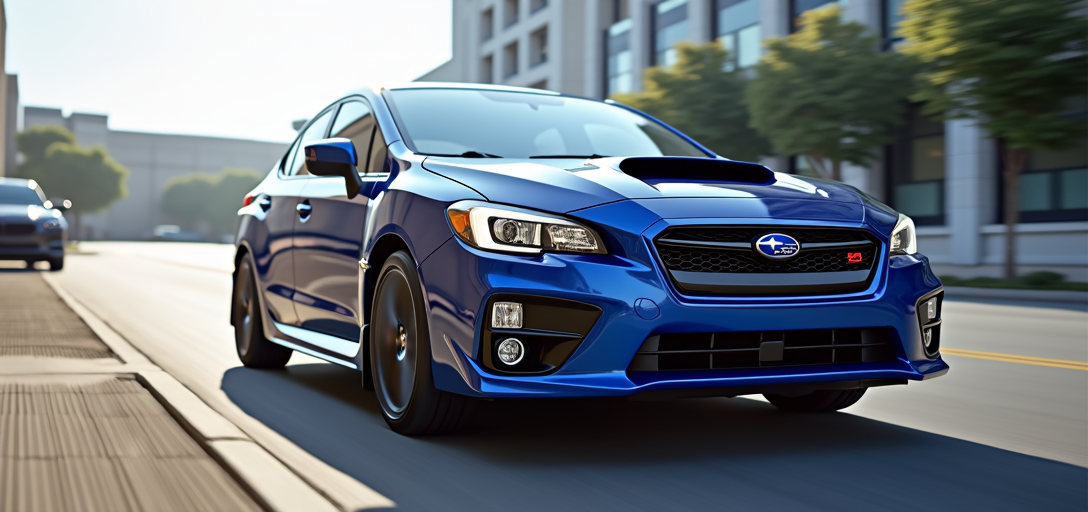
Understanding Subaru's Warranty Coverage
When you purchase a new Subaru in the U.S., your vehicle typically comes with a limited warranty. This includes a 3-year/36,000-mile basic warranty, often referred to as the "bumper-to-bumper" warranty, which covers most vehicle components against defects in materials or workmanship. However, what happens when this warranty expires?
Many Subaru owners find themselves asking: "Who covers Subaru repairs after 36,000 miles?" The answer is critical to ensuring ongoing vehicle protection and managing repair costs effectively.
Extended Warranty Options
Once your initial warranty expires, several options exist for extended coverage:
- Subaru Added Security Plans: Subaru offers its own extended service contracts known as Added Security plans. These are designed to cover repair costs and can be tailored with different levels of protection, such as Gold Plus and Classic plans. The Gold Plus plan offers more extensive coverage.
- Third-Party Warranties: Numerous companies provide third-party extended warranties that can cover parts and systems not included in Subaru's Added Security plans. Popular providers include Endurance, CARCHEX, and Protect My Car, each offering various plans to suit different needs and budgets.
- Insurance Coverage: Some car insurance policies offer mechanical breakdown insurance that can serve as an alternative to a traditional extended warranty. This option might be worth considering for a more customized approach.
Comparing Dealer and Third-Party Warranties
Choosing between Subaru's extended warranty and a third-party provider depends on your specific needs. Dealer warranties often ensure quicker service claims due to direct links with certified repair shops, potentially saving customers time during repairs. On the other hand, third-party warranties might offer more flexibility in terms of coverage choices and pricing. Always read the detailed terms and conditions for any extended warranty to ensure it covers the components most important to you.
Factors to Consider When Choosing Extended Coverage
Customers should weigh several factors when determining the best extended coverage for their Subaru:
- Coverage Length: Decide how long you plan to keep the vehicle and how many miles you expect to drive. This will help guide the selection of the length of the warranty.
- Budget: Calculate what you can afford monthly or annually versus potential repair costs.
- Vehicle Condition: Consider your vehicle's current condition and known issues with your model, as some warranties may exclude pre-existing conditions.
Case Study: Subaru Forester Owner
Take a recent example of a 2022 Subaru Forester owner, Jane. With miles accumulating from daily commutes and road trips, her vehicle is nearing the 36,000-mile mark. Aware of potential upcoming repairs and their costs, she opted for Subaru's Gold Plus plan. This decision was influenced by her premium on convenience and her preference for dealership service centers. This choice allowed her to manage foreseeable expenses after her basic warranty ended.
Common Subaru Repairs after 36,000 Miles
Knowing which repairs are common after 36,000 miles can help you make an informed decision:
- Brake Systems: Inspection and potential replacement of brakes often occur after extensive use.
- Suspension Issues: Shocks and struts can start to wear out, affecting ride quality.
- Transmission and Engine Repairs: These are costly repairs that could be covered by extended warranties, depending on the plan chosen.
Using an Extended Warranty: Steps to Take
If you decide to purchase an extended warranty, here's how to make the most of it:
- Understand Your Coverage: Familiarize yourself with what is covered, as well as any exclusions or limitations.
- Regular Maintenance: Adhere to scheduled vehicle maintenance to ensure coverage eligibility.
- Service Records: Keep detailed records of all maintenance and repairs to ensure claims are processed smoothly.
Resources and Research
For those seeking more information, consult resources such as the official Subaru Owners' Center or industry reports from trusted organizations like Consumer Reports. Engaging these sources helps stay informed on warranty options and vehicle maintenance best practices.
Conclusion
The decision on who covers Subaru repairs after 36,000 miles is one that should be made with careful consideration of your vehicle's needs, your budget, and the peace of mind you desire. Whether opting for Subaru's Added Security plans or exploring third-party warranties, ensuring you have the right coverage can significantly impact the longevity and reliability of your vehicle.