Understanding Testosterone Replacement Therapy: A Safe Approach for Managing Male Hypogonadism
Explore testosterone replacement therapy for male hypogonadism and its potential benefits and risks. This therapy may help address low testosterone levels but outcomes can vary. Understanding options and maintaining realistic expectations are crucial.
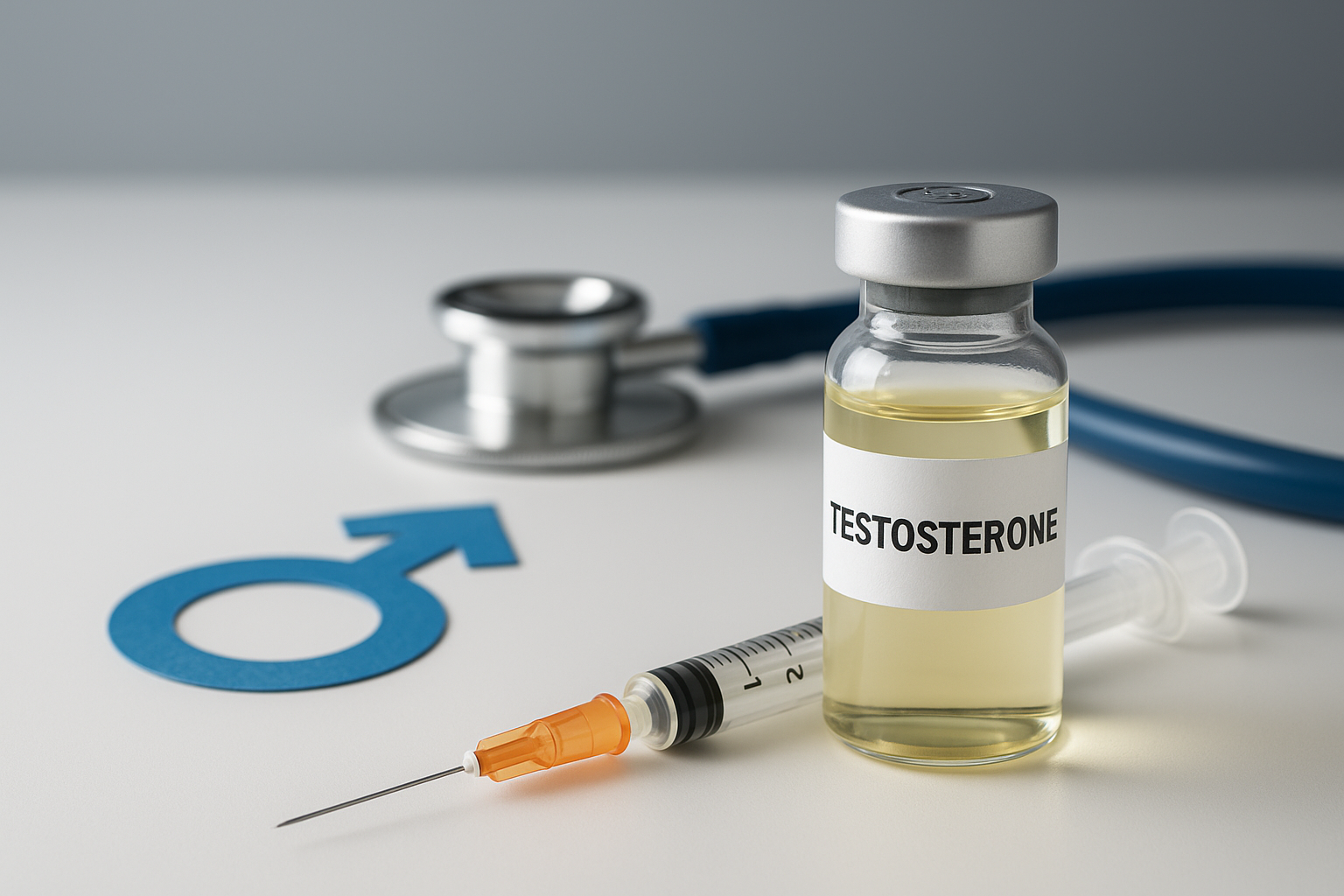
Understanding Testosterone Replacement Therapy (TRT)
Testosterone Replacement Therapy (TRT) is a medical treatment aimed at boosting testosterone levels in men with hypogonadism. Hypogonadism is a condition where the body is unable to produce adequate amounts of testosterone, a crucial hormone for male health. Testosterone plays a key role in various bodily functions, such as maintaining libido, muscle strength, bone density, and the production of red blood cells.
TRT can be a life-enhancing treatment for men suffering from low testosterone, but it's essential to understand its benefits, risks, and the conditions it treats.
What Is Male Hypogonadism?
Causes and Symptoms
Male hypogonadism can occur due to either primary issues related to the testicles or secondary problems linked to the hypothalamus or pituitary gland. Common causes include genetic disorders, testicular injury, or autoimmune diseases.
- Symptoms: Decreased libido, fatigue, loss of muscle mass, mood changes, and infertility.
- Diagnosis: Typically involves blood tests to measure hormone levels and understanding patient history.
How Testosterone Replacement Therapy Works
Treatment Options
TRT can be administered through various methods, each having its own set of pros and cons:
- Injections: Delivered directly into the muscles, providing a controlled dosage over time. However, they often require regular visits to a healthcare provider.
- Patches and Gels: Applied daily to the skin, offering a steady release of testosterone. Skin irritation could be a downside for some users.
- Pellets: Implanted under the skin, releasing testosterone gradually over three to six months, though they require a minor surgical procedure for insertion.
The Benefits of Testosterone Replacement Therapy
For those diagnosed with hypogonadism, TRT can significantly improve quality of life by alleviating symptoms:
- Improved libido and sexual function
- Increased muscle mass and strength
- Enhanced mood and energy levels
- Better cognitive function
A 2026 study published in the Journal of the American Medical Association showed that men undergoing TRT reported higher satisfaction and improved quality of life compared to untreated individuals.
Risks and Considerations
While TRT has its benefits, there are potential risks involved, which should be thoroughly discussed with a healthcare professional:
- Increased risk of cardiovascular events: Some studies suggest a possible connection between TRT and heart issues.
- Potential for increased red blood cell count, which may lead to complications like blood clots.
- Risk of sleep apnea: TRT may exacerbate this condition in some men.
- Impact on fertility: High levels of testosterone can reduce sperm production.
According to the latest insights from Endocrine Web, regular monitoring of testosterone levels and adjusting dosages can help mitigate these risks.
Who Should Consider TRT?
Eligible Candidates
Not all men with low testosterone levels will require TRT. Those considered good candidates typically experience significant symptoms of hypogonadism. It is crucial for a medical professional to confirm the diagnosis with appropriate testing and evaluate individual circumstances and health histories before starting treatment.
Consulting a Healthcare Professional
Steps to Take
Before embarking on TRT, here’s what you should do:
- Schedule a comprehensive evaluation with an endocrinologist or urologist.
- Discuss the potential benefits versus risks in the context of your specific health profile.
- Consider obtaining a second opinion to ensure all health factors and concerns are thoroughly considered.
Informed decision-making, guided by professional advice and backed by the latest medical research, will help ensure that TRT is safe and beneficial for you.
For more information, you can visit the latest reports from Healthline providing updated guidelines and patient experiences regarding TRT.