Understanding the 2026 Changes to Federal Tax Withholding: What You Need to Know
Navigate the anticipated Federal Tax Withholding Changes 2026 to stay informed and prepared for what's ahead. As tax laws evolve, understanding these potential adjustments is crucial for effective financial planning.
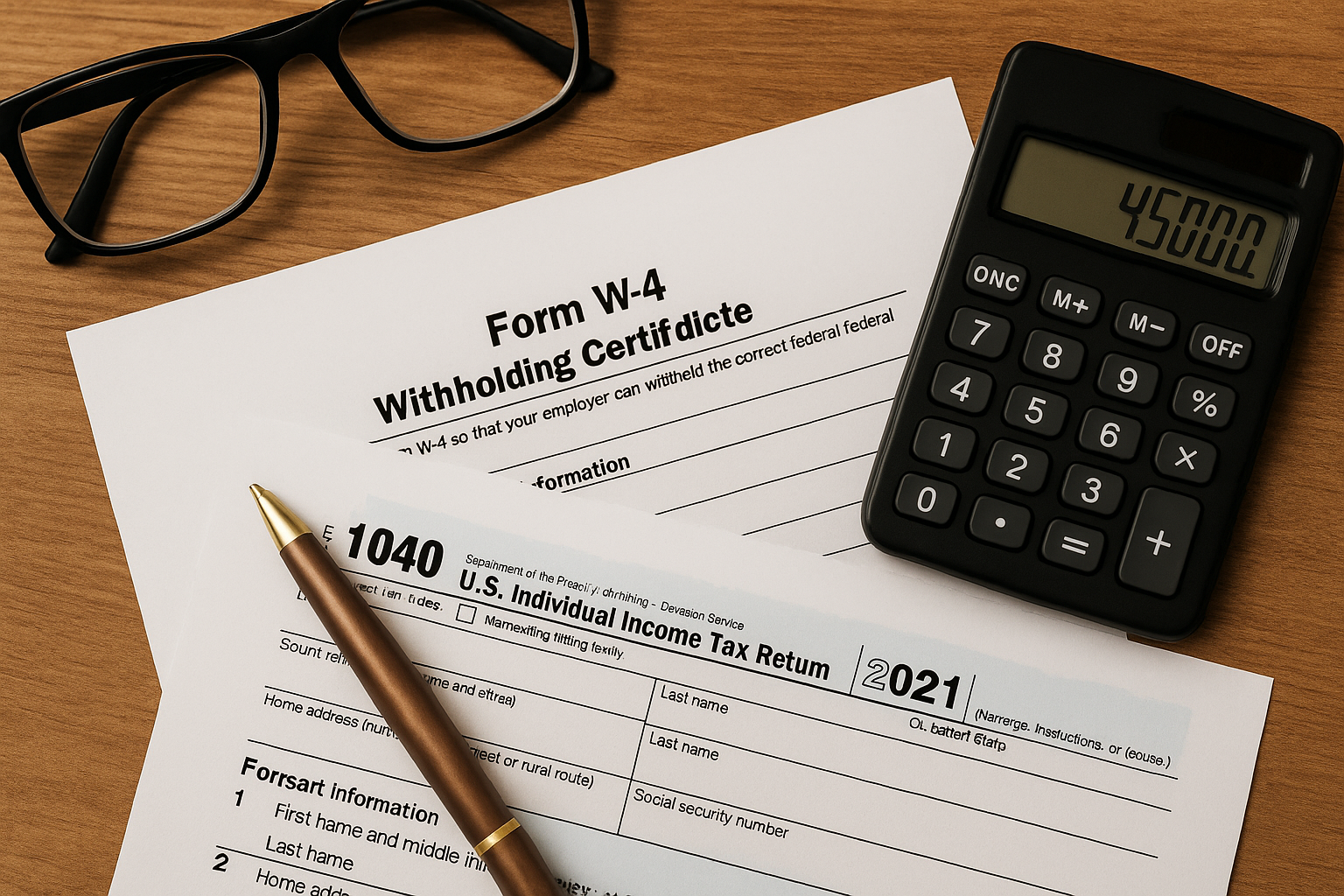
Understanding Federal Tax Withholding: What Changes in 2026 Mean for You
As we approach 2026, there are important changes to federal tax withholding that you need to understand. These adjustments could have significant implications for how you manage your finances and plan your budget. In this article, we will explore the key questions surrounding the changes to tax withholdings, why they are occurring, and what they mean for you as a taxpayer.
What Are Federal Tax Withholdings?
Federal tax withholdings refer to the portion of your paycheck that your employer deducts and sends directly to the Internal Revenue Service (IRS) as a prepayment of your income taxes. The amount withheld is determined based on your filing status, the number of allowances you claim, and any additional amount you might want withheld.
The withholding system ensures that taxes are paid throughout the year, preventing a large tax bill during tax season. Proper withholding helps you avoid underpayment penalties and can sometimes even result in a tax refund.
What Changes Are Coming in 2026?
The federal tax withholding changes in 2026 stem from legislative adjustments and policy revisions aimed at refining the tax system. Here's what you need to know:
- Adjusted Tax Brackets: The IRS updates tax brackets to account for inflation. In 2026, these adjustments will reflect changes from the past several years, ensuring tax rates are fairer and income segments correctly taxed.
- Standard Deduction and Personal Exemptions: The standard deduction is expected to increase, allowing taxpayers to effectively reduce their taxable income. Likewise, adjustments to personal exemptions can lead to changes in payroll procedures.
- Withholding Tables Revision: The IRS provides publications, including revised withholding tables, to guide employers on the correct amount to withhold given the changes.
For those interested in seeing these changes firsthand, you can refer to the IRS's official updates here: IRS Newsroom.
Why Are These Changes Happening?
The main reason for these changes is to keep the tax system aligned with economic realities, such as inflation and economic growth metrics. Regular updates ensure that withholding methods are accurate and that taxpayers are neither over nor underpaid.
In 2026, these changes are particularly important because they are part of a broader move to simplify tax compliance and reduce complexity, making it easier for taxpayers to understand their obligations and avoid errors.
How Will These Changes Affect You?
The impact on individual taxpayers can vary, but here are some general points to consider:
- Take-Home Pay: Withholding adjustments might result in a change in your take-home pay. It's essential to check your paystub regularly and make any necessary adjustments using a W-4 form.
- Potential Refunds or Owed Amounts: With properly updated withholdings, you might see a change in the amount refunded or owed when filing your tax returns. This could mean a smaller refund, which implies you've essentially kept more money throughout the year.
- Need for Tax Planning: Accurate withholding is crucial for effective financial planning. If you are unsure about your withholding status, consult a tax professional.
Steps to Take in Response to the 2026 Changes
Proactively managing your tax withholdings can prevent surprises at tax time. Here’s a step-by-step guide to ensuring you’re aligned with the 2026 changes:
- Review Your W-4: With changes coming in 2026, it might be wise to update your W-4 form. This document allows you to adjust your withholdings in response to personal life changes or updated tax positions.
- Use the IRS Withholding Calculator: The IRS provides an online tool designed to help individuals assess whether they have the right amount of tax withheld from their paychecks. You can access the calculator here.
- Consult a Financial Advisor: If you have complex income sources or significant deductions, consulting with a financial advisor can offer tailored advice given the revised laws.
Concluding Thoughts
The 2026 federal tax withholding changes are instituted to adjust for economic shifts and improve tax compliance among Americans. By understanding these changes and taking action, you can minimize tax season surprises and ensure better control over your financial health throughout the year.
As always, staying informed and proactive about your finances is essential. Keep abreast of changes through credible resources such as financial news sites and direct IRS announcements, or consult with professionals when navigating more complex situations.
IRS 2026 Federal Income Tax Rates & Brackets
IRS 2026 Tax Inflation Adjustments (tax bracket updates)
IRS Newsroom – 2026 Tax Law Changes
IRS Publication 15‑T (2026 Federal Tax Withholding Changes)
IRS Publication 505 (Tax Withholding & Estimated Tax)
IRS New & Enhanced Deductions for Individuals (2026)
IRS One Big Beautiful Bill Provisions (Federal Tax Changes)
IRS Fact Sheets – New Tax Deductions & Forms (2026)
Tax Foundation – 2026 Federal Tax Brackets Overview
IRS Online Account & Federal Tax Updates