Understanding the 2026 USA Auto Insurance Age Premium Chart: A Comprehensive Guide
Discover how age impacts premiums in our USA Auto Insurance Age Premium Chart Guide 2026. Explore agerelated trends that could influence your auto insurance costs. Understand what factors different age groups face when it comes to insurance rates.
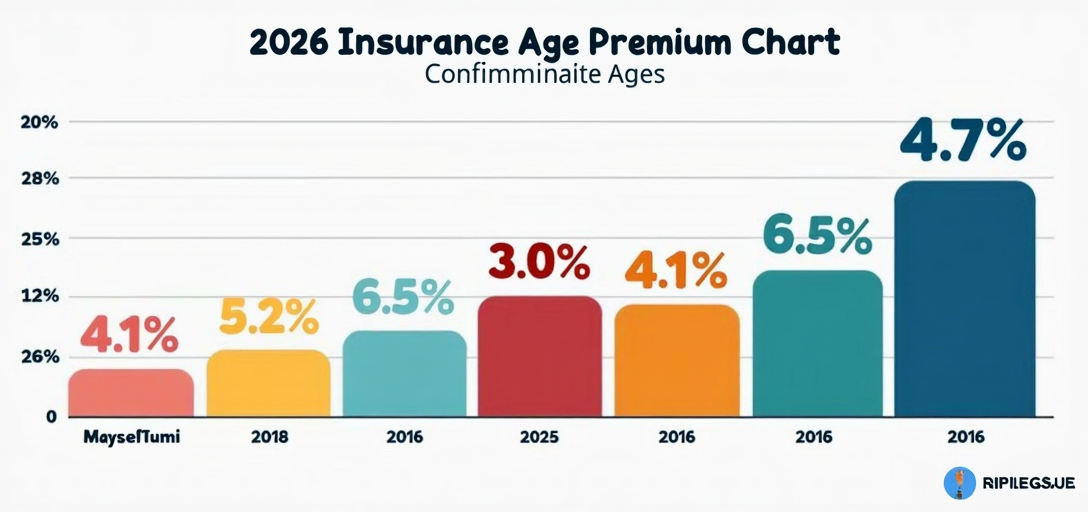
Understanding USA Auto Insurance Age Premiums in 2026
Navigating the world of auto insurance can be daunting, particularly when you encounter complex topics such as age premiums. The USA Auto Insurance Age Premium Chart Guide 2026 provides a comprehensive look at how different age groups are impacted by insurance premiums. In this guide, we'll explore what age premiums are, why they fluctuate, and how you can use this information to find the best insurance rates for your age group.
What Are Age Premiums in Auto Insurance?
Age premiums refer to the variation in auto insurance costs associated with the policyholder's age. Insurers use age as a significant factor because statistical data suggest that different age groups correlate with varying levels of risk. Younger and older drivers tend to have higher premiums, while middle-aged drivers enjoy more favorable rates.
Why Do Age Premiums Vary with Age?
Insurance companies calculate premiums based on risk assessment. According to the Insurance Institute's 2026 reports, younger drivers are considered high-risk due to their lack of experience and greater likelihood of risky behaviors. Similarly, older drivers may face increased rates due to age-related changes in vision and reflexes.
- Teens (16-19): This age group typically pays the highest premiums due to inexperience and higher reported accident rates.
- Young Adults (20-24): While rates are slightly lower than those for teens, this group still faces elevated premiums.
- Ages 25-65: Drivers in this age range often enjoy the most competitive rates, with premiums generally decreasing as age increases and drivers gain experience.
- Seniors (65+): Rates can rise as drivers age past 65 due to increased risk factors associated with health-related conditions.
How to Minimize Age-Related Premium Costs
While age is a significant factor, there are strategies you can use to potentially reduce your insurance premiums:
- Maintain a Clean Driving Record: Avoiding accidents and traffic violations can significantly impact your premiums positively.
- Enroll in Defensive Driving Courses: Many insurers offer discounts to drivers who take approved courses.
- Shop Around: Different insurers weigh age and other factors differently. It's beneficial to compare quotes from multiple companies.
- Ask About Discounts: Discounts may be available for good students, military personnel, or multi-policy holders.
According to a recent study from the National Association of Insurance Commissioners (NAIC), shopping around for insurance can lead to savings of 10-15% on average.
Real-World Examples of Age Premiums in 2026
Consider the case of a 17-year-old in New York versus a 30-year-old in Kansas. The teenager in New York may face an average annual premium of around $6,600 due to the dense population and higher risk factors associated with urban areas. In contrast, the 30-year-old in Kansas might pay around $1,300 annually, benefiting from lower risk considerations and a less-congested driving environment.
The Future of Age Premiums: Trends and Predictions
As we move further into the decade, technological advances and societal changes may influence age premiums. Usage-based insurance, which relies on telematics to assess driver behavior, is one such trend that could offer more personalized rates, potentially reducing the impact of age-based calculations.
Furthermore, the growing prevalence of autonomous vehicles could shift the focus from driver age to vehicle safety features and technology, as these innovations continue to reduce accidents caused by driver error.