Understanding the 7 Signs of Psoriasis: What You Need to Know
Do you suspect you might have psoriasis? Understanding the signs could help in early identification and management. In 7 Signs You May Have Psoriasis: What To Know, we explore common indicators and symptoms of this skin condition.
Understanding Psoriasis
Psoriasis is a chronic autoimmune condition that results in the rapid growth of skin cells. This overproduction leads to the formation of scales and red patches on the skin, which can be itchy and sometimes painful. While it affects around 2% of the population in the United States, many may not realize they have it due to its varying symptoms and types.
What Causes Psoriasis?
Although the exact cause of psoriasis isn't fully understood, it is believed to be linked to an immune system malfunction that causes inflammation. In people with psoriasis, the immune system mistakenly attacks healthy skin cells, accelerating their turnover. This condition often has a genetic component and is sometimes triggered by factors such as stress, skin injuries, infections, or certain medications.
7 Signs You May Have Psoriasis
If you've been wondering whether you might be experiencing psoriasis, here are seven common signs to watch for:
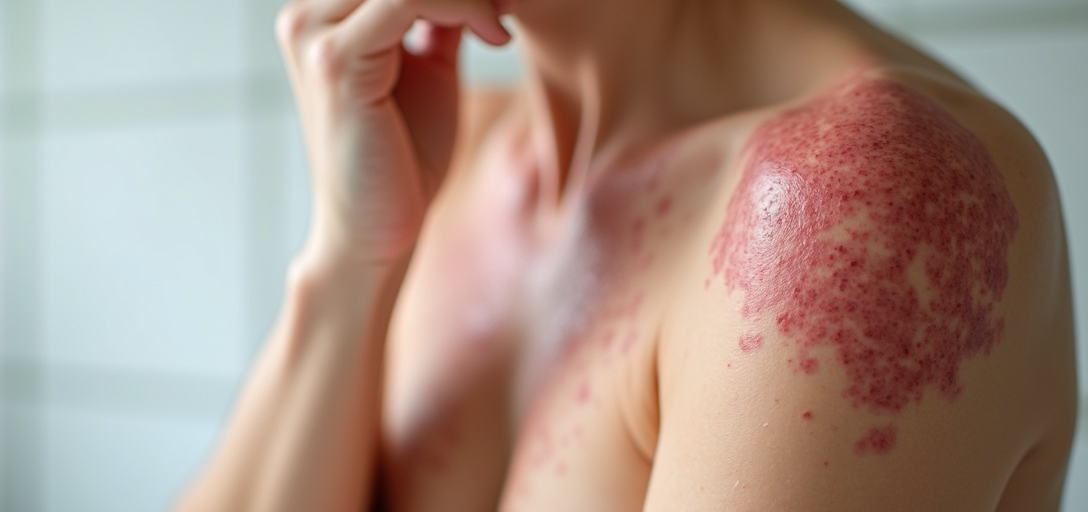
- Red Patches of Skin: These patches are often covered with silvery scales. They are most commonly found on areas like elbows, knees, and the scalp.
- Dry, Cracked Skin: Psoriasis can cause the skin to become so dry that it cracks and bleeds.
- Itching or Burning Sensation: The affected areas of skin might itch or even feel like they're burning.
- Thickened Nails: Psoriasis can affect nail growth, leading to thickened, pitted, or ridged nails.
- Swollen and Stiff Joints: In some cases, psoriasis may also affect the joints, a condition known as psoriatic arthritis.
- Small Scaling Spots: This is more common in children and is known as guttate psoriasis.
- Recurrent Flare-Ups: Symptoms tend to come and go, with periods of flaring where symptoms worsen.
Types of Psoriasis
Not all psoriasis is the same, and it can manifest in several different ways. Understanding the type of psoriasis you have can be pivotal in managing this condition effectively.
Plaque Psoriasis
This is the most common type, characterized by dry, raised, red skin lesions covered with silvery scales. Typically found on elbows, knees, and scalp, the discomfort can impact daily life significantly.
Guttate Psoriasis
Common among children and young adults, guttate psoriasis presents as small, water-drop-shaped sores. It often starts in childhood or young adulthood and can be triggered by a bacterial infection such as strep throat.
Inverse Psoriasis
This form appears as bright-red skin lesions that are shiny and smooth. It primarily affects the skin folds, such as under the breasts, around the groin, and under the buttocks, where rubbing and sweating can worsen symptoms.
Pustular Psoriasis
This rare form involves white pustules surrounded by red skin. It can either be localized (often on the hands and feet) or widespread, which is less common but severe.
Erythrodermic Psoriasis
The least common and most dangerous form, erythrodermic psoriasis, can cover the entire body with a red, peeling rash that can itch or burn intensely.
How Is Psoriasis Diagnosed?
If you suspect you have psoriasis, it’s important to consult a dermatologist. Diagnosis typically involves a physical examination and observation of your symptoms. In some cases, the doctor might perform a biopsy to rule out other skin conditions. Health practitioners often use the Psoriasis Area and Severity Index (PASI) to assess the extent and intensity of skin lesions.
Available Treatments for Psoriasis
While there is no cure for psoriasis, several treatment options can help control the symptoms and prevent infection. These can be tailored based on the severity and type of psoriasis.
Topical Treatments
Creams and ointments applied directly to the skin can be effective for mild to moderate psoriasis by reducing inflammation and scaling. Common treatments include corticosteroids and vitamin D analogues.
Phototherapy
Light therapy involves exposing the skin to controlled amounts of natural or artificial light, helping with widespread psoriasis. Ultraviolet B (UVB) phototherapy is a common treatment used in clinics for its effectiveness.
Systemic Medications
For moderate to severe psoriasis, or psoriatic arthritis, systemic medications, which are taken orally or via injection, may be prescribed. These medications include traditional drugs like methotrexate and newer biologics, which target specific parts of the immune system.
Living with Psoriasis
Managing psoriasis involves more than just treating symptoms. It often requires lifestyle changes and support networks. Here are some tips and resources:
Maintain a Healthy Lifestyle
Keeping a balanced diet, regular exercise, and weight management can help reduce symptoms. Some find that decreasing alcohol consumption and quitting smoking can lead to improvements.
Stress Management
Stress is a known trigger for psoriasis flare-ups. Techniques such as yoga, meditation, and regular sleep can be beneficial in managing stress levels.
Support Systems
Connecting with others who have psoriasis through support groups can provide valuable emotional support and practical advice. Organizations like the National Psoriasis Foundation offer resources for patients and caregivers.
Conclusion
Psoriasis is a complex condition that can have significant impacts on a person's life. Understanding the signs, seeking timely diagnosis, and implementing a comprehensive treatment plan can help manage the condition effectively. Stay informed, reach out to healthcare professionals for guidance, and consider joining support communities to navigate the challenges of living with psoriasis.
For more information, you can visit these resources: