Understanding the Adjustments to Federal Tax Brackets Scheduled for 2026
Get ready for changes ahead! Find out how the federal tax brackets in 2026 might affect your finances. While the exact shifts are yet to be confirmed, understanding potential trends can help plan your fiscal strategy.
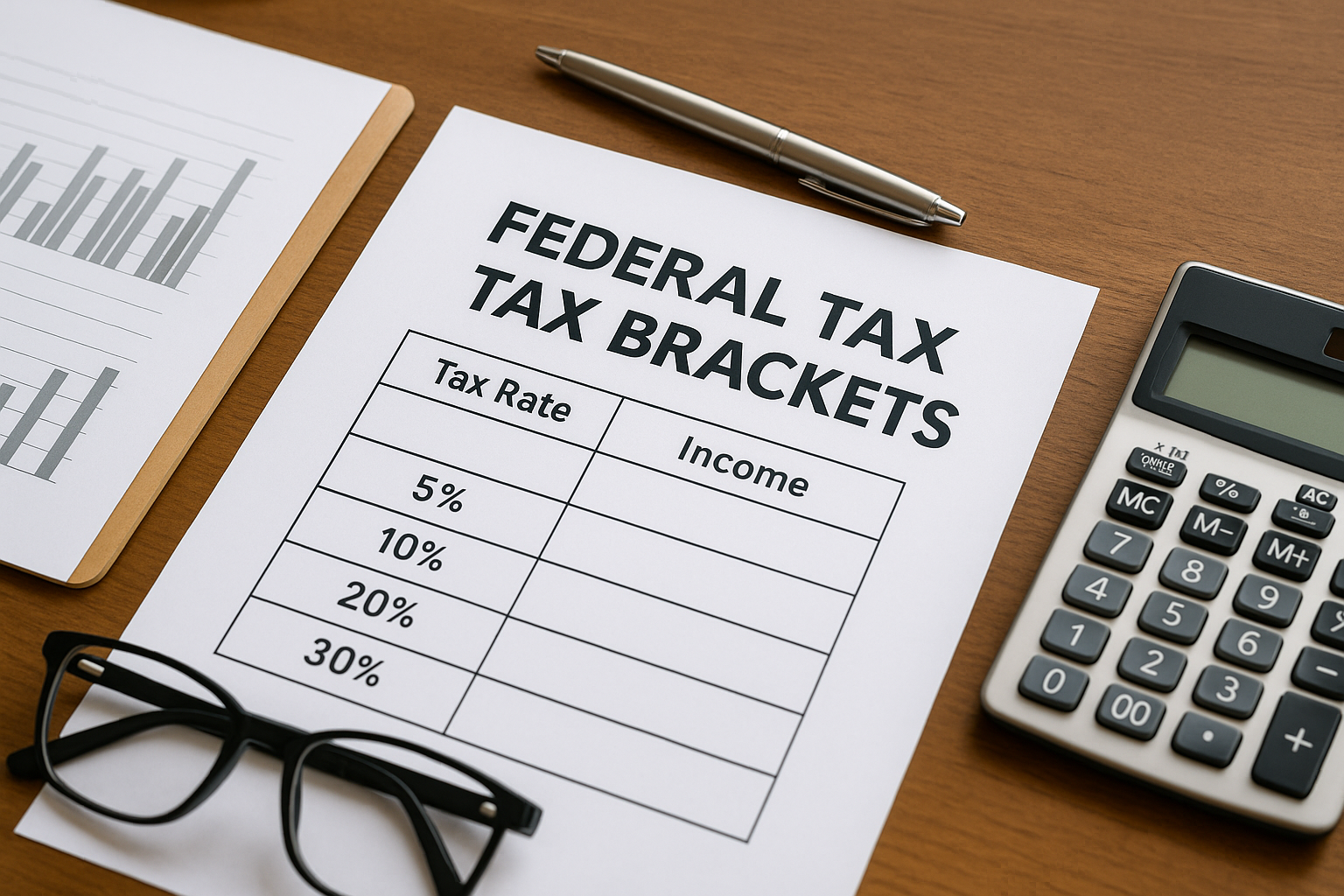
Understanding Federal Tax Brackets: What Changes to Expect in 2026
As 2026 approaches, many Americans are curious about the changes in federal tax brackets that are set to take effect. Understanding how these adjustments might affect your tax obligations is essential for effective personal financial planning. With evolving policies and adjustments legislated in previous sessions set to impact future filings, we are here to help you navigate these changes with clarity.
Why Are Federal Tax Brackets Changing in 2026?
The changes in federal tax brackets for 2026 are part of the broader tax reforms initiated by the Tax Cuts and Jobs Act (TCJA) of 2017. The TCJA brought a significant overhaul of the tax code, reducing tax rates and altering the tax bracket structure temporarily until 2025. Unless Congress enacts new legislation to extend these provisions, the tax brackets will revert to pre-TCJA levels in 2026. This reversion suggests higher marginal tax rates for most taxpayers.
What Are the Expected Changes in Tax Rates for 2026?
Under the TCJA, the seven federal income tax brackets shifted to lower rates. The rates in effect will revert primarily to their pre-2018 levels in 2026. The expected changes are:
- The 10% bracket remains the same.
- The 12% bracket reverts to 15%.
- The 22% bracket reverts to 25%.
- The 24% bracket reverts to 28%.
- The 32% bracket reverts to 33%.
- The 35% bracket remains the same.
- The 37% bracket reverts to 39.6%.
Such changes mean that taxpayers will have to be ready for an increase in liability, depending on their income levels. Evaluating your tax situation ahead of time will allow the proactive implementation of financial strategies to mitigate any adverse impacts.
How Will Income Thresholds Be Affected?
In addition to tax rate adjustments, the income thresholds that determine which bracket you fall into will also be recalibrated. It’s important to understand that each bracket applies only to income that falls within its range. As has traditionally occurred, these adjustments might also reflect inflationary changes.
Planning for the Future: Strategies to Consider
With potential tax increases on the horizon, here are a few strategies you might consider to manage your tax burden:
- Maximize contributions to tax-deferred retirement accounts such as a 401(k) or IRA. These contributions reduce taxable income, which may keep you in a lower bracket.
- Consider Roth IRA conversions. Given the anticipated higher tax rates, paying tax now on Roth contributions can potentially save money in the long run.
- Explore additional tax credits and deductions which can minimize the amount of income subjected to higher rates.
Proactive planning with a financial advisor is advised to ensure your strategies align with your long-term financial goals.
How Will These Changes Affect the Average Taxpayer?
The impact of these changes will vary based on individual circumstances. Middle-income taxpayers might see a modest increase in their tax bill, while high-income taxpayers will likely experience more substantial hikes. For instance, if a family making $150,000 was previously taxed at the 22% rate, a reversion to 25% would increase their tax liability significantly.
Recent Data and Current Economic Context
As of 2026, the inflation rate has shown gradual increases, affecting the cost of living and the economic landscape. Integrating current economic data with tax planning can provide greater insight. According to a Tax Policy Center report (2026), the average taxpayer's effective rate will likely increase by a few percentage points, reflecting both the higher statutory rates and inflation adjustments.
Additionally, a recent IRS publication (2026) highlights that maintaining awareness of state tax changes and local fiscal policies concurrently impacting taxation is pivotal.
The Importance of Staying Informed
As always, the best way to prepare for such changes is to stay informed. Follow updates directly from financial news sources, consult with tax professionals, and leverage reputable financial planning resources. Engage with peer groups or community seminars that regularly discuss these changes.
Understanding how these laws impact your day-to-day financial activities will empower you with the knowledge to make informed decisions and maximize your financial health both now and in the future.
IRS 2026 Federal Income Tax Rates & Brackets
IRS 2026 Tax Inflation Adjustments (tax bracket updates)
IRS Newsroom – 2026 Tax Law Changes
IRS Publication 15‑T (2026 Federal Tax Withholding Changes)
IRS Publication 505 (Tax Withholding & Estimated Tax)
IRS New & Enhanced Deductions for Individuals (2026)
IRS One Big Beautiful Bill Provisions (Federal Tax Changes)
IRS Fact Sheets – New Tax Deductions & Forms (2026)
Tax Foundation – 2026 Federal Tax Brackets Overview
IRS Online Account & Federal Tax Updates