Understanding the Basics of Anti-Corrosion Treatment Techniques
Discover the basics of anticorrosion treatment and how it can provide longterm protection for metals. Explore different techniques used to slow down the rusting process and extend the lifespan of infrastructure.
What is Anti-Corrosion Treatment?
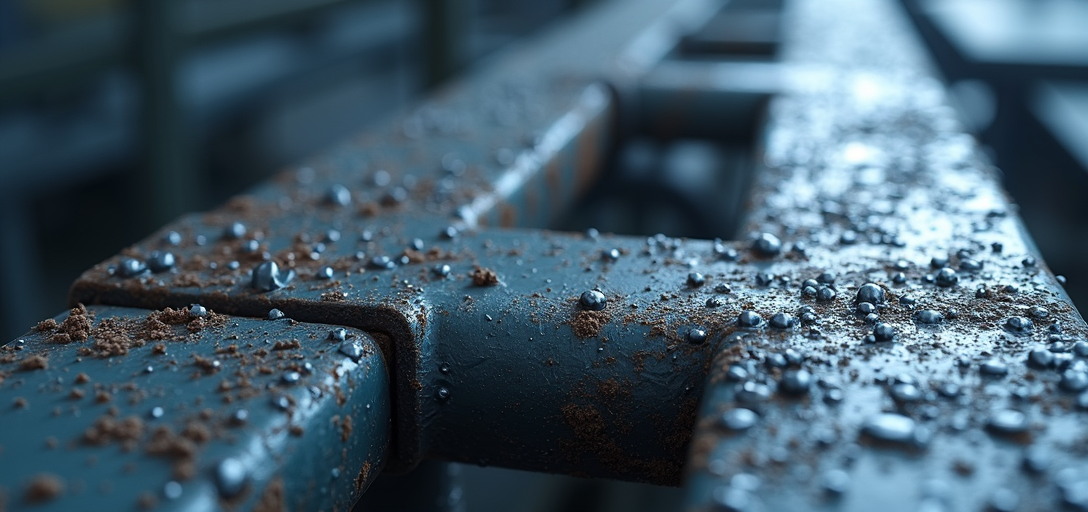
Anti-corrosion treatment is a crucial process used to protect metals and other materials from corrosion, which is the gradual destruction or deterioration caused by chemical reactions, primarily oxidation. This treatment extends the lifespan of materials and structures, particularly those made of iron and steel, which are prone to rust when exposed to air and moisture.
In the US, industries ranging from automotive to aeronautical, construction, and marine heavily rely on anti-corrosion techniques to safeguard their assets. Given the financial and safety implications of corrosion, understanding this treatment is vital for businesses and consumers alike.
Why is Anti-Corrosion Treatment Important?
Corrosion can lead to catastrophic failures in infrastructure, vehicles, and equipment. In 2026, it is estimated that the cost of corrosion in the US will exceed $500 billion annually, impacting numerous sectors (Source: National Association of Corrosion Engineers - NACE). Effective anti-corrosion measures can prevent these costly damages, ensuring safety and reliability.
The implications extend beyond just economic costs. Health and safety of individuals riding vehicles, using appliances, or working in industry can be severely compromised by structural failure due to unchecked corrosion.
Types of Anti-Corrosion Treatment
1. Barrier Coatings
One of the most common forms of anti-corrosion treatment is barrier coatings. These are protective layers applied to the surface of materials to prevent moisture and corrosive chemicals from reaching the base material. Common coatings include paints, varnishes, and specialized plastic coatings.
Barrier coatings are particularly useful in the automotive industry to protect vehicles from road salt and other environmental contaminants.
2. Cathodic Protection
This technique involves making the corroding metal the cathode of an electrochemical cell. By doing so, it diverts the corrosion process to an expendable material (often zinc or magnesium), preserving the integrity of the asset being protected. Used extensively in pipelines and ship hulls, cathodic protection offers a robust solution for large metallic structures.
3. Galvanization
Galvanization involves applying a protective zinc layer to steel or iron to prevent rusting. This technique is widely adopted in creating outdoor infrastructure such as bridges and road barriers due to its durability and cost-effectiveness. Studies in 2026 show a 37% increase in the use of galvanized steel in residential construction due to its long-term protective properties (Source: American Galvanizers Association).
4. Powder Coating
Powder coating is a dry finishing process used to create a hard finish tougher than conventional paint. It’s often used for bicycles, household appliances, and automobile parts, providing a visually appealing and durable shield against the environment.
How to Choose the Right Anti-Corrosion Treatment
Choosing the right anti-corrosion treatment depends on several factors, including:
- Material: Consider what type of metal or material needs protection.
- Environment: Identify the environmental conditions the material will face (e.g., humidity, salinity).
- Cost: Weigh the initial investment against long-term benefits.
- Aesthetic requirements: Some treatments may alter the appearance of the material.
Consulting with a corrosion specialist can provide tailored solutions based on specific needs and environmental conditions.
Recent Developments in Anti-Corrosion Technology
In 2026, innovations in anti-corrosion technology continue to advance, driven by the demand for more sustainable and efficient solutions. Technologies such as nanotechnology and smart coatings are emerging as frontrunners in the battle against corrosion.
Nanotechnology
Nanotechnology offers remarkable advantages by manipulating materials at the atomic and molecular level. This year, new nano-coatings are being developed that provide ultra-thin, exceptionally durable protective layers, enhancing the lifespan of materials without altering their physical appearance or properties.
Smart Coatings
Smart coatings are surface treatments that can sense environmental changes and respond accordingly. For instance, they can self-heal when damaged or release corrosion inhibitors when necessary. This adaptability offers significant potential for reducing maintenance costs and increasing the lifespan of critical infrastructure.
Conclusion
Anti-corrosion treatment is a vital aspect of asset management across various industries in the US. With continued advancements and increased environmental awareness, these treatments will play an essential role in the sustainability of industrial practices. Investing in effective anti-corrosion solutions not only preserves material integrity but also provides economic and safety advantages.
For further information on how to protect your assets effectively, consulting with specialists or referring to industry standards like those provided by NACE might be beneficial. As the technology evolves, the range of solutions will continue to grow, offering even more robust and tailored options for combating corrosion.