Understanding the Benefits of Dehumidifiers in Managing Indoor Moisture Control
Discover how dehumidifiers can play a vital role in managing your home's moisture levels. By effectively reducing indoor humidity, dehumidifiers help prevent mold growth, improve air quality, and create a more comfortable living environment.
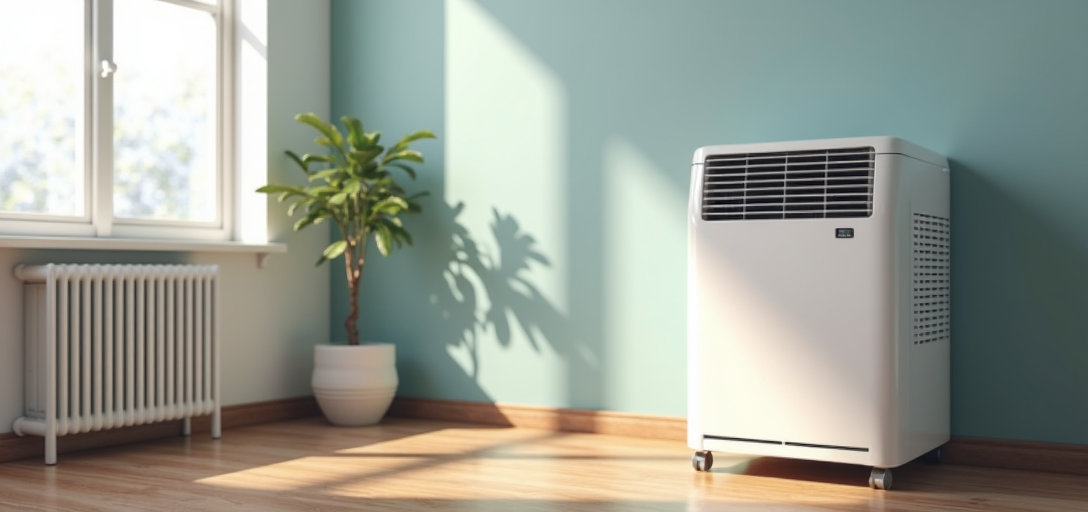
Understanding Indoor Moisture: Why It Matters
Indoor moisture is a common issue faced by many homeowners in the United States. Excessive moisture can lead to a plethora of problems ranging from structural damage to health issues. The importance of controlling indoor moisture cannot be understated, as it plays a critical role in maintaining a healthy, safe, and comfortable living environment.
According to the Environmental Protection Agency (EPA), indoor relative humidity should ideally be maintained between 30% and 50%. Levels above this range can promote the growth of mold, dust mites, and other allergens (EPA). Therefore, understanding how dehumidifiers can help control indoor moisture offers significant benefits.
How Do Dehumidifiers Work?
Dehumidifiers are appliances designed to remove moisture from the air, bringing humidity levels down to optimize comfort and safety within homes. They work by drawing in air from the room, passing it over cold coils to condense the moisture into water, and then expelling the drier air back into the room.
There are typically two types of dehumidifiers:
- Refrigerant Dehumidifiers: These are the most common type, using a refrigeration cycle to remove moisture. They perform exceptionally well in warm and damp conditions.
- Desiccant Dehumidifiers: Utilizing chemical absorbers, these are effective in cooler environments. They are less reliant on temperature variations compared to refrigerant models.
The Benefits of Using a Dehumidifier
While the primary function of a dehumidifier is to reduce moisture levels, the ripple effects of this action significantly enhance home health and maintenance:
- Mold Prevention: By maintaining humidity levels below 50%, dehumidifiers inhibit the growth of mold—a common allergen and respiratory irritant.
- Allergen Reduction: Besides mold, other allergens like dust mites thrive in humid environments. Lowering humidity can drastically cut down on these undesired pollutants.
- Protection of Household Items: Excess humidity can warp wood furniture, damage electronics, and spoil photos or books. Dehumidifiers help preserve these by maintaining ideal indoor conditions.
- Comfort and Air Quality: Drier air is cooler and more comfortable to breathe. Additionally, it prevents the musty smell synonymous with humid environments.
Identifying the Need for a Dehumidifier
Deciding whether you need a dehumidifier can depend on several signs and symptoms present in your living area. Here are some indicators you might need one:
- Visible mold around windows or damp walls.
- Ava persistent musty odor indicative of mildew.
- Condensation on windows, particularly in the morning.
- Frequent allergic reactions while indoors.
Areas Prone to High Moisture
Certain areas in your home are more susceptible to moisture accumulation and could benefit from a dehumidifier:
- Basements: Generally cooler and susceptible to groundwater seepage.
- Bathrooms: Constant water usage can lead to high humidity.
- Kitchens: Cooking, boiling, and dishwashing add to moisture levels.
Choosing the Right Dehumidifier for Your Home
When selecting a dehumidifier, consider factors like the area size, moisture levels, and the climate of your location. The US Department of Energy suggests using Energy Star-rated models to ensure energy efficiency, as these models consume less electricity and are environmentally friendly.
For example, if you're dealing with a large basement in a humid region like the Southeastern US, a high-capacity unit is essential. However, for smaller bathrooms or bedrooms, a compact, portable model might suffice.
Maintaining Your Dehumidifier for Optimal Performance
Regular maintenance of your dehumidifier ensures it operates effectively and extends its life span. Here's how you can keep it running smoothly:
- Regularly Clean the Filter: Most models have reusable filters that should be cleaned monthly to prevent dust buildup.
- Check the Water Tub: Empty and clean the water collection container frequently to prevent mold growth.
- Inspect Coils and Surfaces: Keep the dehumidifier's coils and exterior clean for optimal efficiency.
Conclusion
Managing indoor moisture is pivotal for ensuring a healthy and comfortable home environment. Dehumidifiers play a crucial role in achieving this by preventing mold growth, protecting your property, and improving air quality. By understanding their function and benefits, and by selecting an appropriate model for your needs, you can significantly enhance your living conditions.
For further information on the latest dehumidifier models and maintenance tips, consider exploring trusted resources like the Consumer Reports or the Department of Energy.