Understanding the Benefits of Nighttime Oxygen Therapy for COPD Management
Discover the potential benefits of nighttime oxygen therapy for COPD. As a supplementary treatment, nighttime oxygen therapy can help improve sleep quality and overall comfort for COPD patients. Explore how incorporating this method might support better nighttime respiratory function.
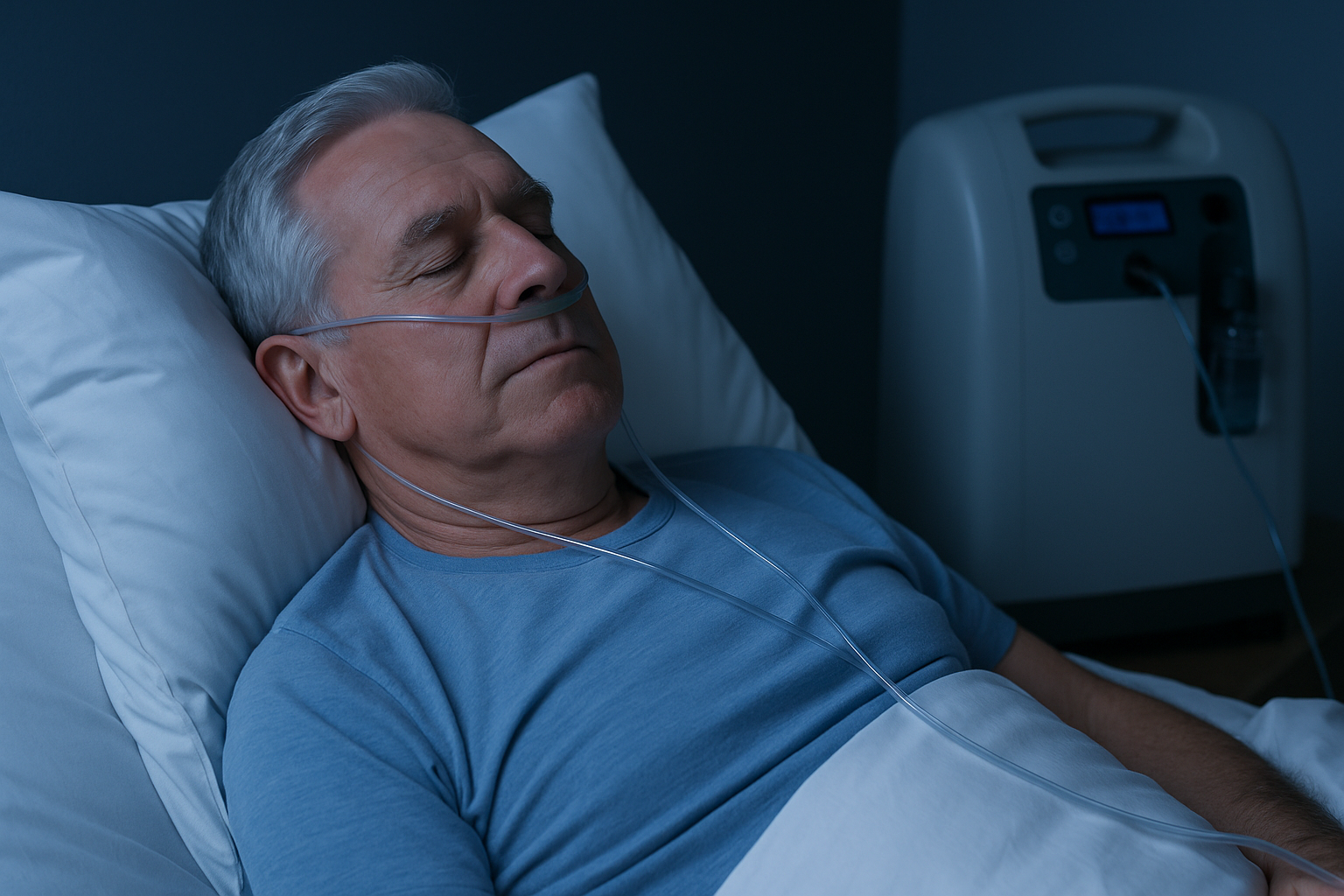
Understanding Nighttime Oxygen Therapy for COPD
Nighttime oxygen therapy is a critical tool in managing symptoms and improving quality of life for individuals diagnosed with Chronic Obstructive Pulmonary Disease (COPD). COPD, a progressive lung disease that obstructs airflow from the lungs, affects millions worldwide, and understanding the benefits and mechanisms of oxygen therapy can empower patients and caregivers alike.
What is COPD?
COPD is an umbrella term for a group of respiratory conditions, including emphysema and chronic bronchitis, characterized by persistent respiratory symptoms and airflow limitation. According to the Global Burden of Disease Study 2025, COPD remains one of the leading causes of death globally, impacting over 300 million people.
Common symptoms include coughing, wheezing, shortness of breath, and fatigue. As the disease progresses, these symptoms can significantly impact daily activities and sleep quality, which is where nighttime oxygen therapy can be particularly beneficial.
How Does Nighttime Oxygen Therapy Work?
Nighttime oxygen therapy involves the administration of supplemental oxygen during sleep. For COPD patients, especially those experiencing hypoxemia (low blood oxygen levels), this therapy ensures that the body receives adequate oxygen, vital for cellular metabolism and overall organ function.
- Increases Oxygen Levels: Enhances oxygen saturation in the blood, reducing the strain on the heart and other vital organs.
- Improves Sleep Quality: Restores a more natural breathing pattern, minimizing interruptions during sleep.
- Reduces Complications: Decreases the risk of cardiovascular events, as consistent oxygen levels reduce stress on the heart.
Eligibility and Usage
Nighttime oxygen therapy is typically recommended for COPD patients with chronic respiratory failure or consistent nocturnal hypoxemia. Recent guidelines published by pulmonary societies emphasize the following criteria:
- Blood oxygen saturation levels below 88% during sleep.
- Arterial blood gas measurements indicating hypoxemia.
- Persistent symptoms despite standard COPD treatments.
The therapy requires the use of an oxygen concentrator. This device extracts and concentrates oxygen from the surrounding air and delivers it through a nasal cannula or face mask.
Recent Research and Statistics
Ongoing research continues to underscore the importance and effectiveness of this therapy. A 2026 study published in the American Journal of Respiratory and Critical Care Medicine found that COPD patients using nighttime oxygen therapy showed a 15% improvement in sleep quality scores and a 10% increase in daytime energy levels.
Additionally, a 2026 review by the American Lung Association highlighted that consistent oxygen therapy reduced hospital readmissions by 20%, marking a significant advancement in COPD management.
Possible Side Effects and Considerations
While nighttime oxygen therapy presents numerous benefits, patients should be aware of potential side effects:
- Dry Nose and Airways: Long-term oxygen use can lead to nasal dryness or irritation, which can be mitigated with a humidifier attachment.
- Fire Hazard: As oxygen promotes combustion, patients must avoid smoking or open flames near the therapy equipment.
- Dependency Concerns: Although rare, some patients worry about becoming reliant on supplemental oxygen. Continuous monitoring and regular consultations with healthcare providers can alleviate these concerns.
Integrating Therapy into Daily Life
Implementing nighttime oxygen therapy requires minimal lifestyle adjustments but offers substantial rewards. Patients are encouraged to:
- Create a bedtime routine that incorporates equipment setup.
- Maintain regular check-ins with healthcare providers to adjust oxygen flow rates as needed.
- Educate family members and caregivers on device operation to ensure proper usage and safety.
Stories from patients like Karen, a 68-year-old COPD patient, illuminate the life-changing impact of nighttime oxygen therapy. Karen shares, "Before starting oxygen therapy, I struggled with constant fatigue and sleepless nights. Now, I wake up feeling refreshed, and my energy levels are better than ever."
Conclusion
Nighttime oxygen therapy stands as a cornerstone in the management of COPD, offering relief from symptoms, enhancing sleep, and reducing the risk of further health complications. As with any medical intervention, patients should consult with their healthcare providers to tailor the therapy to their specific needs and health status.
Whether you or a loved one is considering this therapy, staying informed and supported through trusted medical advice will ensure the best outcomes in COPD management.