Understanding the Body's Response to Metastatic Prostate Cancer
Discover what happens inside your body when prostate cancer spreads. As the disease progresses, prostate cancer can affect various parts of the body, impacting physical health and wellbeing. Understanding these changes can guide you in seeking the right support and treatment.
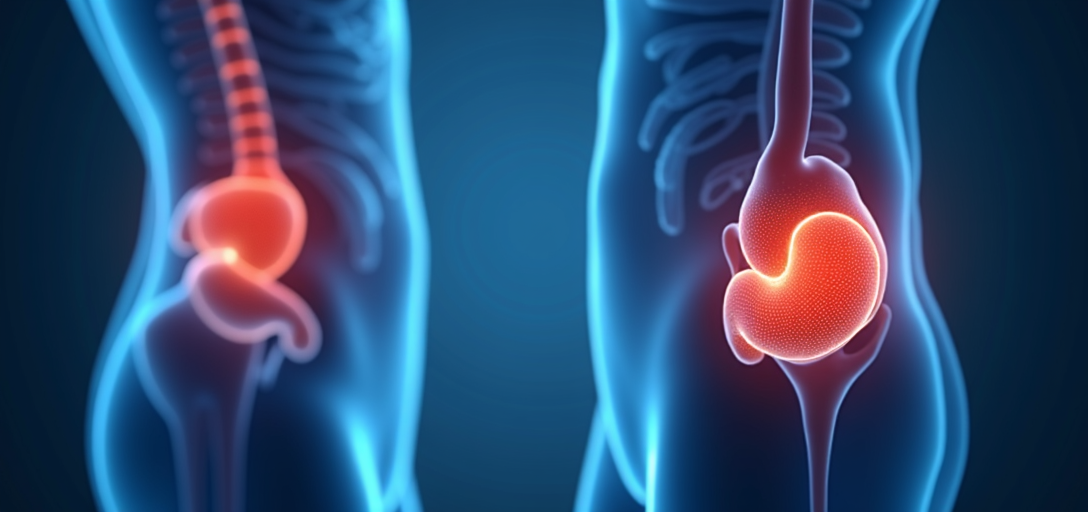
Understanding Prostate Cancer and Its Spread
Prostate cancer is a prevalent form of cancer among men, particularly in the United States. This disease originates in the prostate gland, which is part of the male reproductive system. Understanding how prostate cancer spreads is crucial for effective treatment and management. It typically spreads through local invasion, lymphatic system, and blood stream, eventually affecting other body parts.
Types of Spread: Local, Lymphatic, and Hematogenous
Prostate cancer can metastasize through different pathways. Here's how each type involves changes within the body:
- Local Invasion: This is where cancer cells grow beyond the prostate gland and invade nearby tissues, including the seminal vesicles and bladder.
- Lymphatic Spread: In this process, cancer cells travel through the lymphatic system to nearby or distant lymph nodes.
- Hematogenous Spread: Here, cancer cells enter the bloodstream, leading to the development of secondary tumors in distant organs such as bones and lungs.
Symptoms of Metastatic Prostate Cancer
When prostate cancer spreads beyond its original location, it may present a range of signs and symptoms, signaling its advancement. Common symptoms reported in 2026 include:
- Painful urination and decreased urine stream
- Frequent urination, particularly at night
- Blood in urine or semen
- Erectile dysfunction
- Discomfort in the pelvic area
- Swelling in legs or feet
- Weight loss and fatigue
These symptoms primarily result from tumors affecting areas beyond the prostate, imposing pressure on surrounding organs and structures.
Impact of Prostate Cancer Spread on the Body
When prostate cancer spreads, it significantly impacts various systems within the body :
Effect on the Skeletal System
One of the most common sites for prostate cancer metastases is the bones. The spread to the bones can lead to bone pain, fractures, and increased calcium levels in the blood, which often results in nausea, vomiting, or even confusion.
Impact on the Lymphatic System
Cancerous cells spreading through the lymphatic system can lead to swelling in legs and feet due to blocked lymph nodes, impacting fluid drainage and causing lymphedema.
Changes in the Cardiovascular System
While not as common, prostate cancer can affect the cardiovascular system indirectly. Bone metastasis can lead to increased levels of calcium in the blood that can affect heart functioning.
Treatment and Management Strategies
2026 advancements in treatment offer various strategies for managing advanced prostate cancer:
Hormone Therapy
Hormone therapy remains a cornerstone in treating metastatic prostate cancer. It involves lowering or blocking testosterone levels, which fuel prostate cancer growth.
Targeted Therapy
Targeted therapies focus on specific genetic changes in cancer cells. Enzalutamide and abiraterone have shown promise in treating metastatic prostate cancer successfully.
Radiation Therapy
This is used to treat bone pain caused by metastasis and can be administered externally or by radiopharmaceuticals that target and kill cancer cells.
Recent Surgical Options
For certain cases, surgery to remove the prostate or relieve blockages caused by tumors might be recommended, providing symptom relief.
Living with Metastatic Prostate Cancer
Living with metastatic prostate cancer involves proactive management of symptoms and treatment side effects. Lifestyle changes can play a vital role:
Adopting a Balanced Diet
A balanced diet rich in fruits, vegetables, and lean proteins can support overall health and manage cancer symptoms better.
Regular Exercise
Engaging in regular physical activity can help manage fatigue, maintain muscle strength, and improve mood and quality of life.
Mental Health Support
Coping with cancer spread requires mental resilience. Support groups and counseling can provide the necessary psychological support to patients and their families.
Conclusion
Understanding what the body does when prostate cancer spreads is essential in managing the disease effectively. With continued advancements in treatment and a better understanding of the disease, patients can maintain better quality of life. For more information on prostate cancer advances in 2026, consult resources such as the American Cancer Society and the National Cancer Institute.