Understanding the Changes in Your Facial Appearance After 35: Causes and Care
Ever wondered why your face suddenly looks more tired after 35? Discover the subtle changes that might be making your skin appear less vibrant over time and learn gentle ways to rejuvenate your look.
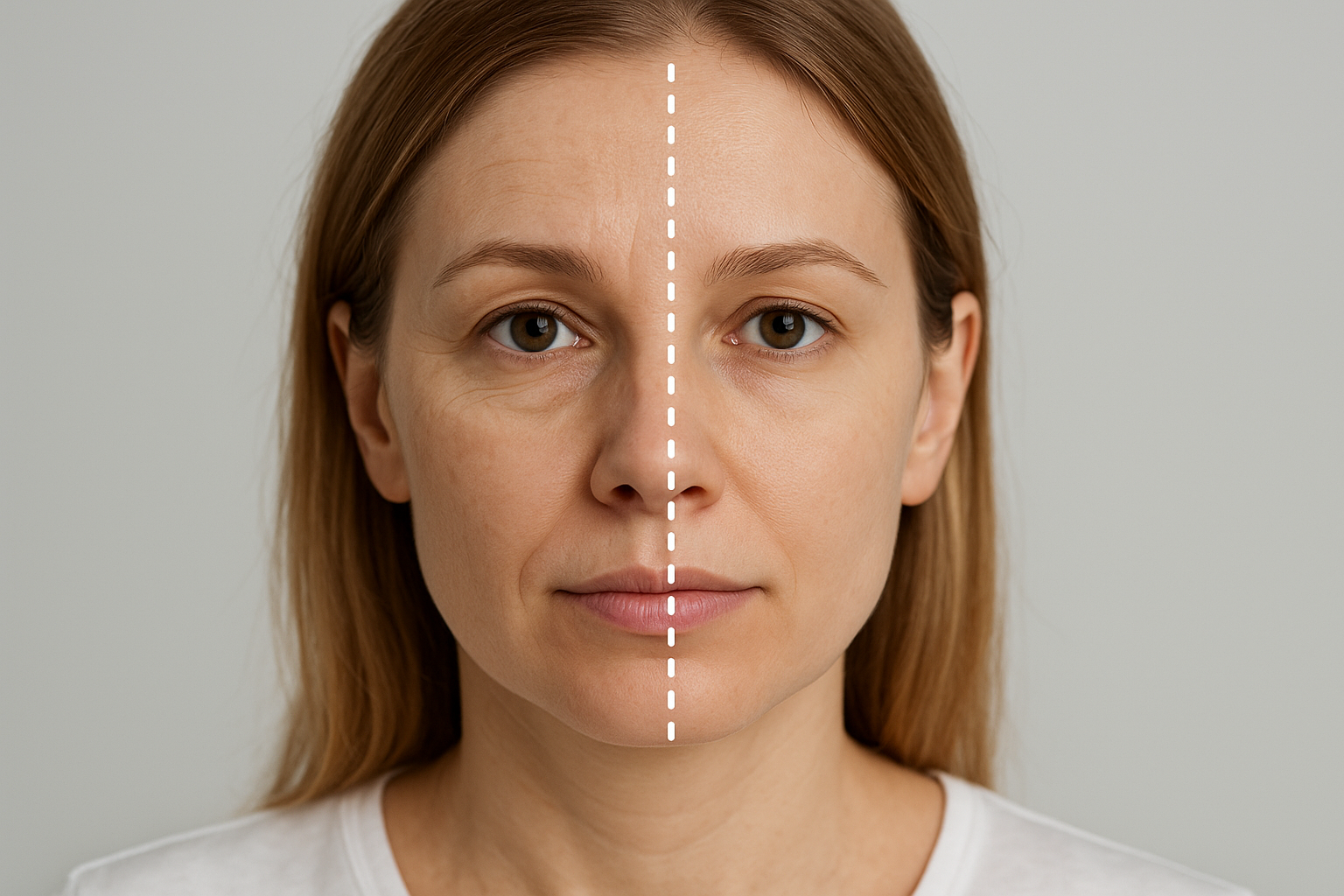
Understanding the Causes: Why Does Your Face Suddenly Look More Tired After 35?
Reaching your mid-30s can bring along a plethora of changes in both your lifestyle and your appearance. Many begin to notice their face looks more tired, and while this might seem sudden, it's often a gradual development influenced by several factors. Let's explore these changes and understand why they occur.
The Natural Aging Process
Aging is an unavoidable part of life, and it significantly impacts how rested your face appears. Here's why:
- Collagen Depletion: By the time you hit 35, your body produces lesser collagen, a protein that keeps the skin firm and elastic. Less collagen means more sagging and wrinkles.
- Thinning Skin: It's common for skin to become thinner with age as the dermis loses its density, making tiredness more apparent.
- Fat Loss and Redistribution: The supportive fat underneath the facial skin decreases, which might give cheeks a hollow appearance, contributing to a tired look.
Lifestyle and Environmental Factors
Beyond natural aging, lifestyle and environmental factors can accelerate the tired look:
- Stress and Sleep: High stress levels and lack of adequate sleep can result in dark circles and puffy eyes, amplifying the tired appearance.
- Sun Exposure: Over time, UV rays can break down collagen and elastin in skin, leading to premature aging.
- Poor Nutrition: A diet lacking essential vitamins and minerals can result in sallow, lifeless skin.
For more insights on how lifestyle impacts skin health, you can check out this article on Healthline.
Combating the Tired Look: Effective Solutions for a Refreshed Face
While the onset of a tired appearance is common, there are effective ways to mitigate and manage these changes.
Skin Care Regimens
Adopting a targeted skincare regimen can work wonders:
- Moisturizers and Serums: Using products containing retinoids and peptides can stimulate collagen production.
- Regular Exfoliation: Helps to remove dead skin cells, promoting cell turnover and a more vibrant complexion.
- Sunscreen: Daily use of SPF is crucial to prevent UV damage and maintain skin resilience.
Healthy Lifestyle Practices
Incorporating the following practices can help maintain a youthful visage:
- Balanced Diet: Foods rich in antioxidants and vitamins, such as berries and leafy greens, support skin health.
- Consistent Sleep Schedule: Aim for 7-9 hours of sleep each night to allow skin repair and rejuvenation.
- Stress Management: Engage in activities like yoga or meditation to reduce stress-driven skin issues.
Treatments and Procedures: Exploring Professional Options
If at-home solutions are not enough, professional treatments may offer more substantial results.
Non-Invasive Treatments
Less invasive options can provide noticeable improvements:
- Botox and Fillers: Help to smooth out wrinkles and restore volume to sagging areas.
- Microdermabrasion: Offers deeper exfoliation, enhancing skin texture and tone.
Advanced Dermatological Procedures
For more significant changes, consider these procedures:
- Laser Resurfacing: Targets wrinkles and spots by promoting new skin cell growth.
- Ultherapy: A non-surgical facelift option that uses ultrasound energy to lift and tighten skin.
You can explore more about these procedures in detail with this guide from the American Academy of Dermatology.
Conclusion
The changes you notice in your face after 35 are a natural part of aging, but understanding the underlying factors and how to address them can help you maintain a fresh and youthful appearance. Through a combination of proper skincare, healthy lifestyle choices, and professional treatments if necessary, you can combat the tired look and continue to feel confident in your skin.