Understanding the Costs of Electric Car Insurance in 2026
Discover what factors might influence electric car insurance costs in 2026. While rates can vary, understanding potential changes can help you plan ahead. Explore how advancements in technology, regulatory updates, and shifts in consumer demand shape these costs.
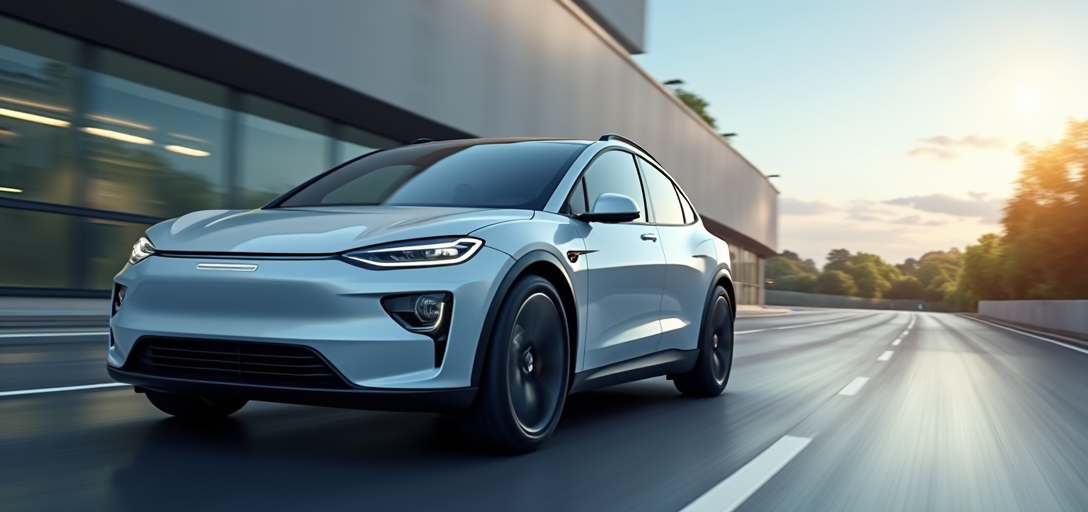
Understanding Electric Car Insurance Costs in 2026
As electric vehicles (EVs) continue to surge in popularity across the United States, many consumers are curious about the cost implications, particularly when it comes to insurance. If you’re considering an electric car, it’s important to understand how much you might pay for insurance in 2026 and what factors influence these rates.
Factors Affecting Electric Car Insurance Costs
Just like conventional vehicle insurance, the cost to insure an electric car depends on various factors. Let’s explore some of the key ones:
- Vehicle Value: Since electric cars tend to have higher price tags than their gas-powered counterparts, the value of the car significantly impacts insurance rates. Insurance companies often charge higher premiums to cover the higher repair or replacement costs of expensive components like batteries.
- Repair Costs: Electric cars often require specialized skills and parts for repairs, which can drive up costs. Despite technological advancements, mechanics trained specifically in EV repairs remain fewer, causing potential price increases in repair costs.
- Safety Ratings: EVs generally boast high safety ratings due to advanced technology features, which can help reduce insurance costs. Automated safety systems can decrease the likelihood of accidents, thereby lowering insurance claims and premiums.
- Usage and Mileage: The more often and farther you drive an electric vehicle, the higher your insurance costs may be, similar to traditional vehicles. Insurers typically adjust rates based on whether the car is primarily used for commuting, business, or pleasure.
Electric Car Insurance Trends in 2026
The insurance landscape for electric vehicles has evolved dramatically. Here are some current trends:
- Policy Incentives: Some insurance companies are offering incentives and discounts for electric vehicles to promote greener transport options. These may include lower premiums for those who install at-home charging stations or participate in eco-friendly driving programs.
- Telematics: Usage-based insurance has grown in popularity. With telematics, insurers can track driver behavior through devices installed in the vehicle, potentially offering discounts to safe electric car drivers.
- Increased Competitors: More insurance providers are entering the EV market, leading to competitive rates. It is beneficial for consumers as they can shop around for offers that best suit their financial and coverage needs.
Estimating Costs: How Much Can You Expect to Pay?
While individual rates may vary, it’s helpful to have a benchmark for average insurance costs for electric vehicles. Based on recent data from leading insurers in 2026:
- The average annual cost of insurance is approximately $1,700, varying based on factors like vehicle model and driver history. Some popular models like the Tesla Model 3 or the Chevy Bolt tend to hover around this mark, while luxury brands may command higher premiums.
- These averages reflect a slight increase from previous years, in line with the rise in the overall adoption of electric vehicles and the evolving insurance market dynamics.
For personalized quotes, consumers should consider consulting insurance aggregators or brokers who specialize in electric car policies.
Real-World Examples of Electric Car Insurance Rates
To further illustrate potential costs, consider these hypothetical examples based on current trends:
- Tesla Model S: Often regarded as a luxury EV, insuring a Tesla Model S with typical coverage could cost between $2,200 and $2,600 annually.
- Nissan Leaf: As a well-known mid-tier EV, the Nissan Leaf might see insurance premiums ranging from $1,400 to $1,800 per year, reflective of its lower purchase and repair costs compared to luxury models.
Strategies to Save on Electric Car Insurance
If you’re looking to reduce your insurance expenses for an electric vehicle, here are some effective strategies:
- Compare Quotes: Regularly searching for different quotes can yield considerable savings. Don’t settle for the first offer, and consider exploring online comparison tools.
- Increase Deductibles: Opting for a higher deductible can lower your premium costs. Ensure you choose a deductible amount that remains manageable in the event of a claim.
- Take Advantage of Discounts: Seek out discounts based on driver history, bundling multiple policies, or participating in low mileage or safe driver programs.
Overall, the price of insuring an electric car in 2026 varies and is influenced by multiple dynamic factors. Staying informed about trends and strategies for obtaining favorable rates can help consumers make confident choices regarding their electric vehicle investments and insurance needs.
Additional Resources
To learn more about current electric car insurance rates and trends, consider exploring these credible sources: