Understanding the Credit Score Needed for the Best Personal Loan Rates
Wondering what credit score is needed for low personal loan rates? While specific requirements vary, a higher credit score often increases your chances of securing favorable terms.
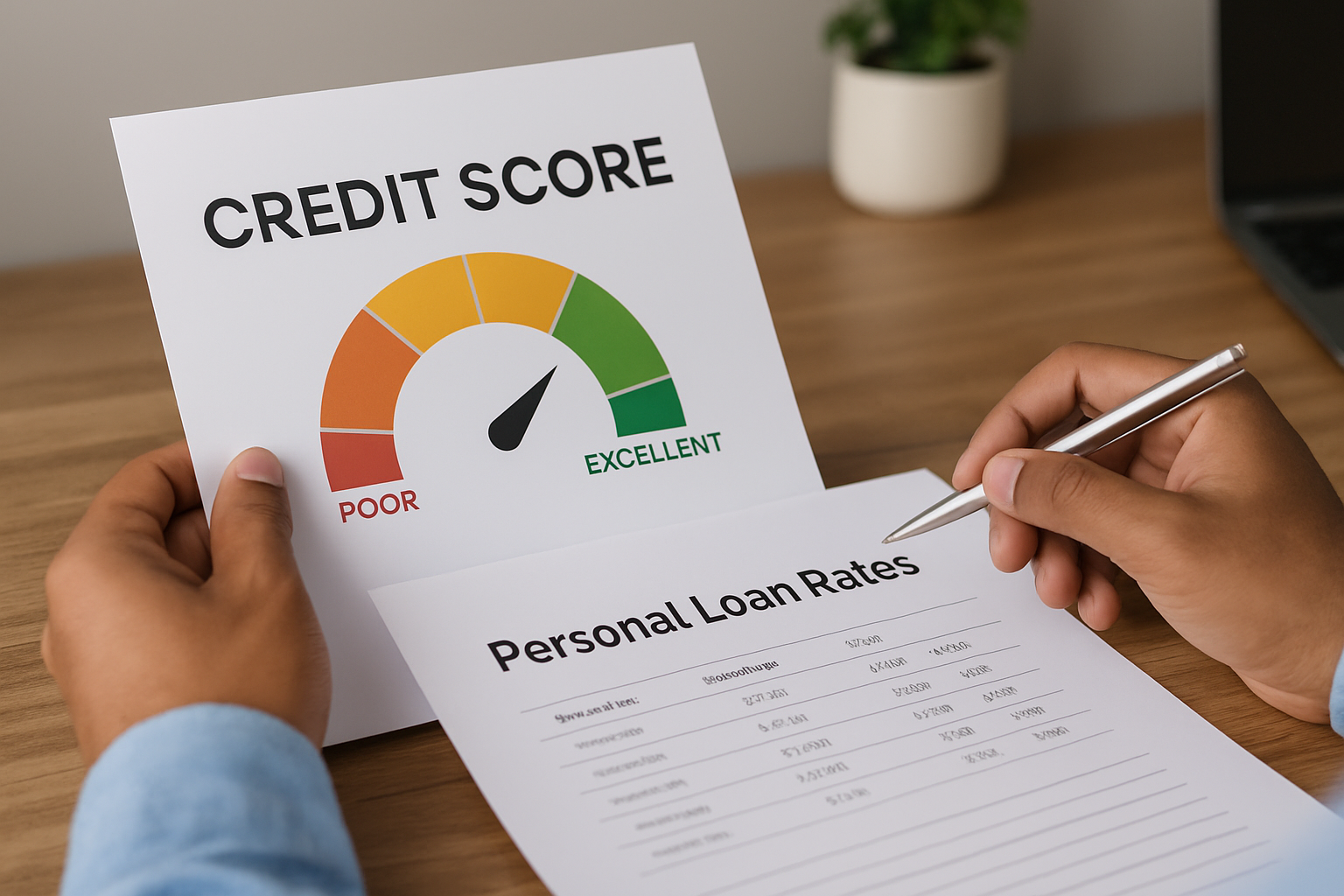
Understanding Credit Scores and Their Impact on Personal Loan Rates
When it comes to securing personal loans, your credit score plays a pivotal role in determining the interest rates you'll be offered. Many potential borrowers are often left wondering, "What credit score is needed for low personal loan rates?" This question is crucial as it helps borrowers evaluate their financial situation and understand the steps needed to qualify for more favorable loan terms. In this article, we will delve into the intricacies of credit scores, explore their effect on personal loan rates, and provide actionable insights to help you secure the best possible rates.
What is a Credit Score?
Your credit score is a numerical representation of your creditworthiness, based on your credit activity and history. It's a critical tool used by lenders to evaluate the risk of lending you money. Credit scores in the United States typically range from 300 to 850. The higher your score, the more creditworthy you appear to lenders, which can potentially translate to lower interest rates for loans.
Credit scoring models such as FICO and VantageScore are commonly used by lenders. Although each model has its own formula, they all evaluate similar factors:
- Payment History: Whether you've paid past credit accounts on time.
- Amounts Owed: The amount of credit currently in use as a proportion of total available credit.
- Length of Credit History: How long your credit accounts have been active.
- New Credit: Recently opened accounts and the associated inquiries.
- Credit Mix: Diversity of credit accounts, such as credit cards, auto loans, and mortgages.
Credit Score Ranges and Their Meanings
Understanding where you fall within the broader credit score categories can give you an idea of your likelihood of securing low personal loan rates:
- Exceptional (800-850): Individuals in this range are considered highly creditworthy and will generally enjoy the lowest interest rates.
- Very Good (740-799): Borrowers with very good credit scores are likely to receive favorable interest rates, although slightly higher than those in the exceptional category.
- Good (670-739): This range is considered average or slightly above average and usually qualifies for decent rates, though not the lowest.
- Fair (580-669): People with fair credit may face higher interest rates and possibly stricter approval conditions.
- Poor (300-579): Borrowers in this category may struggle to get loans or be offered loans at high interest rates.
Determining the Optimal Credit Score for Low Personal Loan Rates
While the "ideal" credit score for securing the lowest personal loan rates can vary from lender to lender, a score of at least 740 is often seen as a good benchmark to aim for. In 2026, lenders have continued to prize high credit scores, often giving the best rates to those who have consistently demonstrated responsible credit behavior.
However, with the financial landscape constantly evolving, even those below this threshold have opportunities to improve their scores and potentially secure better rates through strategic financial practices.
Steps to Improve Your Credit Score
If your credit score is not where you'd like it to be, don't despair. By taking proactive steps, you can improve your credit score over time:
- Catch Up on Payments: Consistently pay your bills on time to build a history of reliability. Consider setting up automatic payments or reminders to avoid late payments.
- Reduce Debt: Work towards paying down existing debt, especially high-interest debt, to lower your credit utilization ratio.
- Avoid New Hard Inquiries: Each hard inquiry can temporarily lower your score, so be cautious about applying for new credit products simultaneously.
- Review Credit Reports: Regularly reviewing your credit reports can help you identify and dispute errors that could be impacting your score.
According to recent data, around 34% of Americans actively monitor and adjust their credit activities to improve their scores, leading to a generally higher number of individuals in the "very good" credit category [1].
How Credit Scores Affect Personal Loan Interest Rates
The correlation between credit scores and personal loan interest rates is strong. Lenders view your credit score as a direct indicator of the level of risk they assume by lending to you. A higher credit score suggests lower risk, warranting lower interest rates, while a lower score represents higher risk, typically resulting in higher rates.
For example, as of 2026, borrowers with "exceptional" credit might secure personal loans with interest rates as low as 5%, whereas those with "fair" credit might encounter rates upwards of 15% or more [2]. This substantial difference illustrates why maintaining or improving your credit score is critical when seeking a personal loan.
Exploring Alternative Options for Borrowers with Lower Credit Scores
For those who find themselves below the "good" credit threshold, there are still avenues to explore for more affordable loan terms:
- Credit Unions: Often known for having more flexible lending criteria and offering competitive rates to their members.
- Co-Signed Loans: Having a co-signer with a stronger credit profile can help you secure better rates.
- Secured Loans: Using collateral to back your loan can reduce the risk to the lender and might result in lower interest rates.
Research from 2026 indicates that non-traditional lenders and financial technology companies are increasingly offering competitive personal loan rates even to those with less-than-perfect credit, provided they have a solid income and employment history [3].
Conclusion
The road to securing the best personal loan rates begins with understanding and improving your credit score. By grasping the factors that influence your score and taking strategic steps to enhance it, you can improve your chances of being offered lower interest rates. Remember, making financial decisions that support a healthy credit score can have long-term benefits, not just for personal loans, but for all types of credit.
https://www.consumerfinance.gov/ask-cfpb/what-is-a-personal-loan-en-1077/
https://www.consumerfinance.gov/consumer-tools/loans/personal-loans/
https://www.consumerfinance.gov/ask-cfpb/what-factors-affect-my-interest-rate-en-1353/
https://www.consumerfinance.gov/ask-cfpb/how-can-i-get-a-lower-interest-rate-on-a-loan-en-733/
https://www.nerdwallet.com/article/loans/personal-loans/personal-loan-rates
https://www.bankrate.com/loans/personal-loans/current-personal-loan-rates/
https://www.lendingtree.com/personal/personal-loan-rates/
https://www.experian.com/blogs/ask-experian/what-are-personal-loan-interest-rates/
https://www.myfico.com/credit-education/credit-scores
https://www.annualcreditreport.com/index.action
https://www.investopedia.com/personal-loan-rates-5075908
https://www.federalreserve.gov/releases/g19/current/
https://www.nerdwallet.com/article/credit-cards/average-credit-card-interest-rate