Understanding the Credit Score Requirements for a HELOC in Canada in 2026
Looking to tap into your home's equity? Wondering what credit score is needed for a HELOC in Canada 2026? While banks have varying requirements, a good credit score typically improves your chances of approval. Achieving a higher score could mean access to better interest rates and terms.
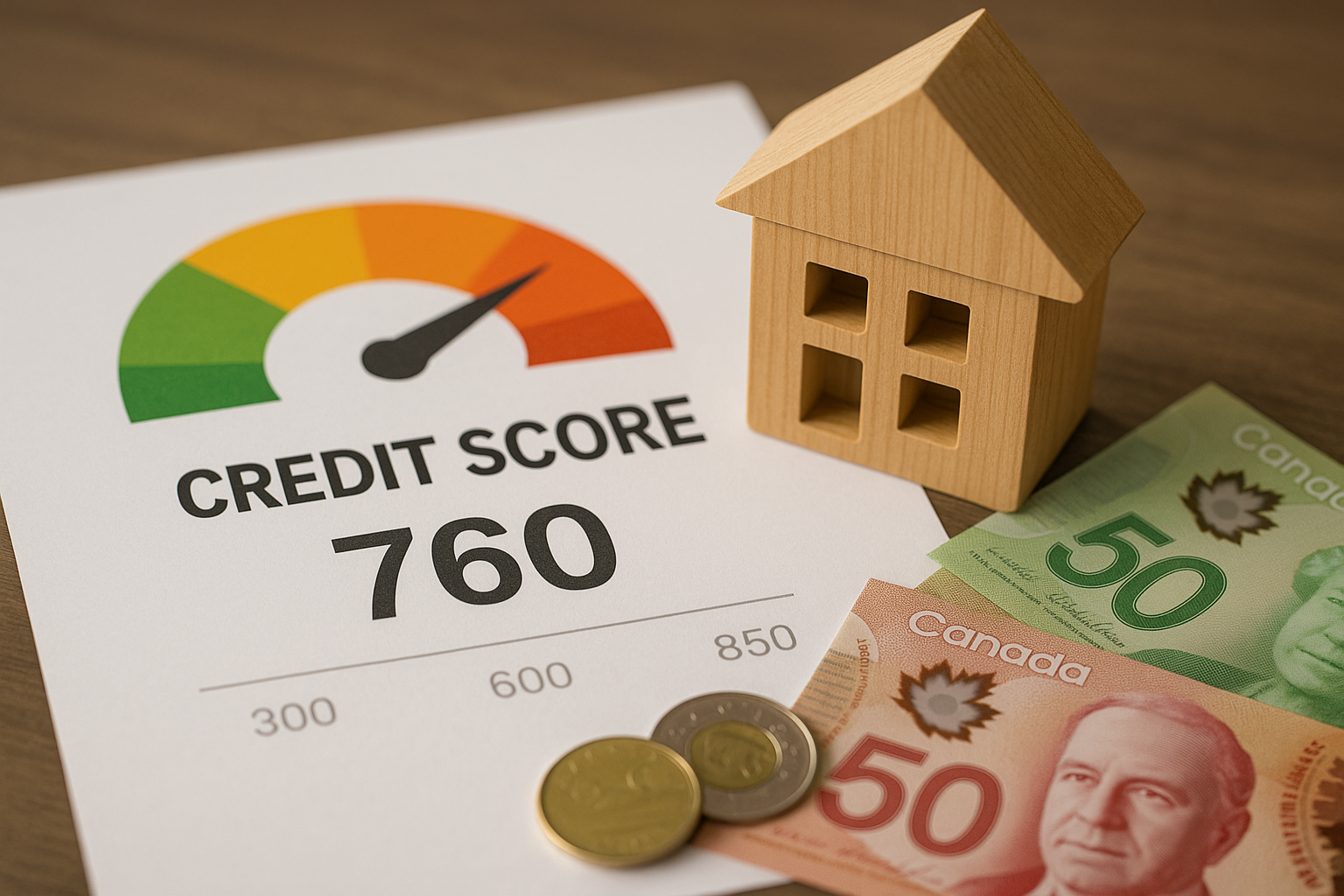
Understanding HELOCs in Canada
A Home Equity Line of Credit (HELOC) is a popular financial product in Canada that allows homeowners to borrow against the equity in their homes. As we look to 2026, understanding what credit score is needed to qualify for a HELOC can help you make informed borrowing decisions.
What Is a HELOC?
A HELOC is a secured form of credit where the loan is backed by the home. Unlike a traditional loan, a HELOC offers a revolving line of credit that can be drawn upon as needed. Interest is only paid on the amount drawn, providing flexibility for those who may need cash for various purposes like home renovations, education, or even consolidating debt.
Credit Score Requirements for a HELOC in Canada
Importance of Credit Scores
In 2026, credit scores remain a critical factor for lenders when evaluating HELOC applications. A credit score is essentially a numerical representation of your creditworthiness, reflecting how you've managed credit in the past. It ranges from 300 to 900 in Canada, with higher scores indicating better credit health.
Minimum Credit Score for HELOC Approval
Most Canadian banks and lenders require a minimum credit score of around 650 to approve a HELOC. This requirement ensures that borrowers have a history of managing credit responsibly. However, higher scores—typically 700 and above—can position you for more favorable terms, such as lower interest rates and higher credit limits.
There are variances between lenders, so it is beneficial to shop around. Some alternative lenders might offer HELOCs to those with scores below 650, but often at higher interest rates and with stricter conditions.
Factors Influencing HELOC Approval Beyond Credit Score
- Equity in Your Home: Lenders typically allow you to borrow up to 65% of your home’s appraised value, factoring in your current mortgage.
- Income and Employment: Steady income and stable employment reassure lenders of your capacity to repay the borrowed amounts.
- Debt-to-Income Ratio: This ratio assesses your total debt in relation to your income—which lenders use to gauge your borrowing risk.
Boosting Your Credit Score: Tips for Future HELOC Applicants
A strong credit score is not just beneficial for HELOC approval but also enhances your financial options. Here are strategies to improve your credit score in 2026:
- Pay Your Bills on Time: Your payment history significantly affects your credit score. Automating payments can help avoid missed due dates.
- Reduce Credit Card Balances: Keeping balances low relative to your limits, ideally under 30%, can improve your score.
- Limit New Credit Inquiries: Each application for credit can lower your score slightly, so apply only when necessary.
- Check Your Credit Report for Errors: Regularly review your credit report and dispute any inaccuracies you find.
Applying for a HELOC in 2026: Steps to Follow
Preparation Before Applying
Before applying, gather all relevant financial documents, including pay stubs, tax returns, and statements of assets and liabilities. Conduct a personal credit check to ensure your score meets the minimum requirement.
Choosing the Right Lender
Research and compare offers from various lenders. Online tools and platforms can provide insights into the best rates and terms. Consult with a mortgage professional if you need personalized advice.
Conclusion: Stay Informed and Proactive
As the financial landscape evolves in 2026, staying informed about credit score requirements for HELOCs is crucial for making sound financial decisions. A proactive approach to managing your credit health can unlock favorable borrowing opportunities and enhance financial well-being.