Understanding the Credit Score Requirements for Refinancing Your Mortgage in Canada
Curious about refinancing your mortgage in Canada and wondering what credit score is needed? Understanding the necessary credit score for refinancing a mortgage in Canada can help guide your financial strategy. While most lenders look for good credit, the exact requirements can vary.
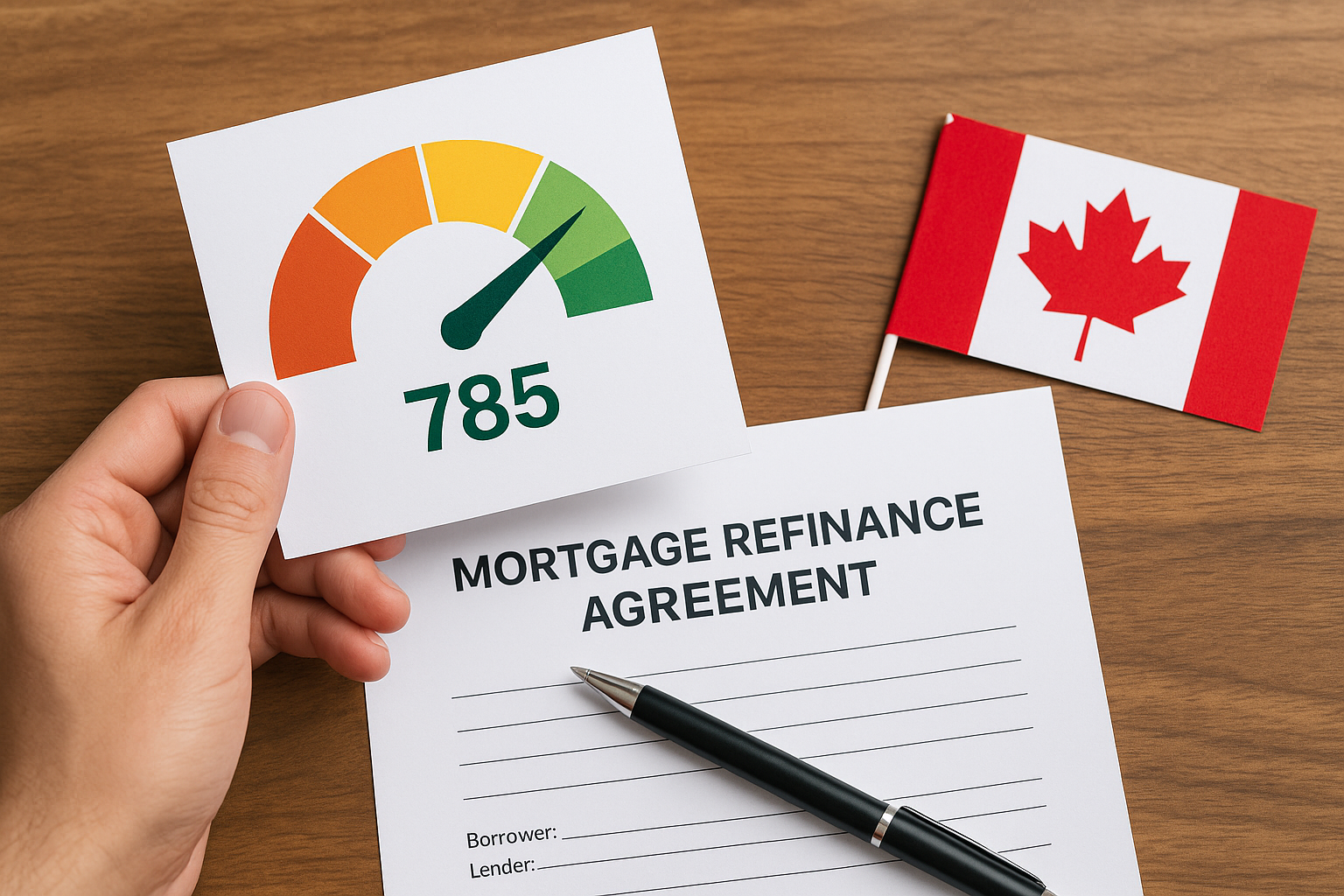
Understanding Credit Scores and Their Importance
A credit score is a numerical representation of a person's creditworthiness, which plays a pivotal role in financial decisions. In Canada, credit scores range from 300 to 900, with higher numbers indicating better creditworthiness. Lenders rely on these scores when you apply for loans, including when refinancing a mortgage.
Your credit score helps lenders assess the risk of lending to you. A good score can provide access to favorable interest rates and terms, while a poor score might limit options or result in higher costs. In the context of refinancing a mortgage, understanding what constitutes a good credit score can save you thousands over the course of your loan.
Minimum Credit Score for Refinancing a Mortgage in Canada
Refinancing your mortgage can lower your interest rate or adjust your loan term, but doing so in Canada typically requires a minimum credit score. As of 2026, most lenders prefer a credit score of at least 620 for refinancing. However, the specific requirements can vary based on the lender and the overall market conditions. Some premium lenders might require higher scores, often 680 or above, to ensure they are lending to low-risk borrowers.
It is essential to remember that while a score between 620 and 679 might qualify you for refinancing, a higher score can provide better terms and rates. Borrowers with scores of 700 and above often gain access to the most competitive rates.
Factors Affecting Credit Score Requirements
- Loan-to-Value Ratio (LTV): This ratio compares the size of your loan to the appraised value of your home. A lower LTV can sometimes assist in qualifying for better terms even if your credit score is not ideal.
- Debt-to-Income Ratio: Lenders assess your ability to repay the mortgage by examining how much of your income goes towards debt payments. A lower ratio can bolster your application.
- Market Dynamics: In a robust economic period, lenders might relax credit requirements slightly, whereas during economic downturns, standards might tighten.
Improving Your Credit Score Before Refinancing
If your credit score is lower than the desired level, taking proactive steps to improve it can significantly impact refinancing opportunities. Here's how you can start:
- Pay Bills on Time: Consistent, on-time payments positively impact your credit history and score.
- Reduce Outstanding Debt: Lowering your credit card balances and paying down loans can boost your score by improving your credit utilization ratio.
- Limit New Credit Requests: Each credit inquiry can temporarily lower your score, so avoid applying for new credit cards or loans before refinancing.
- Check for Errors in Your Credit Report: Regularly review your credit reports for inaccuracies and dispute any errors found. Canadians can access their credit reports from TransUnion and Equifax for free once a year.
Options When You Have a Low Credit Score
Refinancing can still be within reach even if your credit score falls short of lender expectations:
- Consider a Co-signer: A co-signer with a strong credit profile can assure lenders, potentially securing the refinancing approval.
- Explore Subprime Lenders: Some institutions specialize in subprime mortgages. However, be cautious and analyze the terms as these often come with higher interest rates and fees.
- Work with a Mortgage Broker: A broker can help identify lenders more inclined to work with those who have less-than-perfect credit.
The Impact of Refinancing on Your Credit Score
While refinancing can offer financial benefits, it's crucial to understand its impact on your credit score:
When you refinance your mortgage, lenders will perform a hard credit inquiry, which can temporarily lower your credit score by a few points. However, if refinancing results in better rates and terms, it can contribute to lower debt levels over time and eventually enhance your credit score.
Long-Term Considerations
- Modification in Loan Terms: Shortening your loan length can mean higher payments, but it reduces debt faster, which can be favorable for your score.
- Potential Savings: Lower interest rates reduce overall debt burden, aiding in maintaining a manageable debt-to-income ratio.
Conclusion
Refinancing a mortgage in Canada requires meeting certain credit score thresholds, but that doesn't mean doors are closed if your score isn't perfect. Understanding the process and actively working to improve your financial standing can lead to successful refinancing and significant savings. Staying informed and considering expert financial guidance can further enhance your journey towards optimal refinancing terms.
For more detailed information about credit scores and financial management, consider these reliable sources:
Reference Links
https://www.canada.ca/en/financial-consumer-agency/services/mortgages/preparing-mortgage.html
https://www.ig.ca/en/insights/mortgage-refinance-in-canada-how-it-works
https://www.brokerlink.ca/blog/how-to-refinance-your-mortgage-in-canada
https://blog.remax.ca/a-step-by-step-guide-to-refinance-your-mortgage-in-canada/
https://www.nerdwallet.com/ca/p/article/mortgages/minimum-credit-score-for-mortgage-canada
https://borrowell.com/blog/credit-score-mortgage-canada
https://www.creditcanada.com/blog/credit-score-needed-for-house
https://www.cibc.com/en/personal-banking/mortgages/resource-centre/mortgage-refinancing.html
https://myprivatelender.com/mortgage-refinance-requirements/