Understanding the Difference: Secured vs. Unsecured Loan Rates
Explore the nuances between personal loan rates for secured and unsecured loans. While both options offer financial flexibility, secured loans typically provide lower rates due to collateral, whereas unsecured loans might come with higher rates reflecting increased risk.
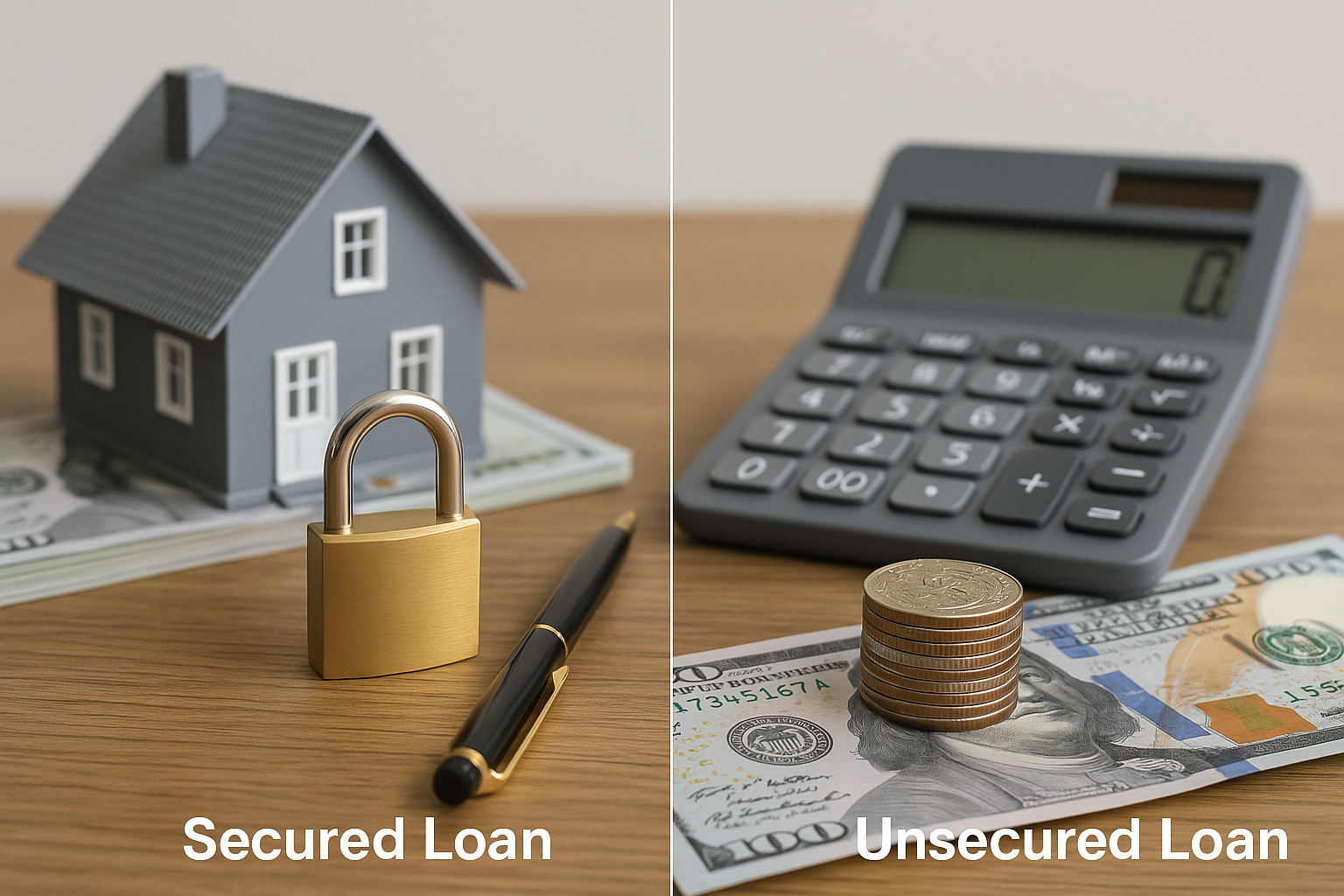
Understanding Personal Loan Rates: Secured vs. Unsecured Loans
When it comes to personal loans, one of the most fundamental aspects to comprehend is the difference in interest rates between secured and unsecured loans. These rates are critical as they influence the total cost of borrowing and the financial decisions that individuals need to make. This article aims to demystify how these rates differ and what factors contribute to these variations.
What are Secured Loans?
Secured loans are financial products that require the borrower to offer collateral. This collateral could be in the form of an asset like a car, home, or any valuable property. The presence of this collateral reduces the lender’s risk, as they can recover the outstanding amount by seizing the asset if the borrower defaults.
Because of the reduced risk for lenders, secured loans typically come with lower interest rates compared to unsecured loans. As of 2026, the average interest rate for secured personal loans typically ranges from 3% to 7% (source).
What are Unsecured Loans?
Unsecured loans, as the name suggests, do not require any collateral. These loans are based purely on the borrower’s creditworthiness and ability to repay. Lenders evaluate factors such as credit score, income, and debt-to-income ratio to determine eligibility and interest rates. Given the higher risk for lenders, unsecured loans generally have higher interest rates, often ranging from 8% to 36% in 2026 (source).
Why Do Interest Rates Differ?
Several factors contribute to the differences in interest rates between secured and unsecured loans. Understanding these can help borrowers make informed financial decisions:
Risk to Lenders
The primary reason for lower rates on secured loans is the reduced risk to lenders. When collateral is provided, lenders have a safety net in case of default, allowing them to offer more favorable terms. In contrast, unsecured loans are riskier, leading to higher interest rates.
Credit Scores and History
Credit scores play a pivotal role in determining interest rates for unsecured loans. A higher credit score can help borrowers secure better rates, reflecting a lower risk of default. On the other hand, secured loans place less emphasis on credit scores due to the availability of collateral.
Real-World Examples
Consider two individuals, Alice and Bob, seeking $10,000 loans:
- Alice’s Secured Loan: Alice opts for a secured loan using her car as collateral. The lender provides a 5-year loan term at an interest rate of 5%. Over the duration, Alice will pay around $1,322 in interest, totaling $11,322.
- Bob’s Unsecured Loan: Bob takes an unsecured loan for the same amount with a 10% interest rate. Over the same term, he will pay approximately $2,748 in interest, bringing his total repayment to $12,748.
The examples illustrate the cost implications of choosing between secured and unsecured options, highlighting the financial benefits associated with lower interest rates of secured loans.
Considerations for Borrowers
When deciding between secured and unsecured personal loans, borrowers should consider:
- Evaluating their assets: Determine if you have assets to offer as collateral and if you're comfortable with the risk involved in losing them if repayment isn't met.
- Credit standing: Check your credit score to assess your eligibility and potential interest rates for unsecured loans.
- Repayment capacity: Analyze your financial situation to ensure timely repayment, avoiding extra costs associated with late payments.
Conclusion
Understanding the nuances of personal loan rates for secured vs. unsecured loans enables borrowers to choose more wisely. While secured loans offer lower rates due to collateral, unsecured loans provide flexibility without asset risk, albeit at higher interest costs. Ultimately, personal financial situations and risk tolerances should guide these decisions.
For more detailed personal advice, consulting financial advisors or using loan simulators can be beneficial to tailor lending options according to individual needs. Awareness and understanding of these options can lead to more financially sound decisions.
https://www.consumerfinance.gov/ask-cfpb/what-is-a-personal-loan-en-1077/
https://www.consumerfinance.gov/consumer-tools/loans/personal-loans/
https://www.consumerfinance.gov/ask-cfpb/what-factors-affect-my-interest-rate-en-1353/
https://www.consumerfinance.gov/ask-cfpb/how-can-i-get-a-lower-interest-rate-on-a-loan-en-733/
https://www.nerdwallet.com/article/loans/personal-loans/personal-loan-rates
https://www.bankrate.com/loans/personal-loans/current-personal-loan-rates/
https://www.lendingtree.com/personal/personal-loan-rates/
https://www.experian.com/blogs/ask-experian/what-are-personal-loan-interest-rates/
https://www.myfico.com/credit-education/credit-scores
https://www.annualcreditreport.com/index.action
https://www.investopedia.com/personal-loan-rates-5075908
https://www.federalreserve.gov/releases/g19/current/
https://www.nerdwallet.com/article/credit-cards/average-credit-card-interest-rate