Understanding the Different Types of Dental Implants: What You Need to Know
Considering dental implants? They're not all the same, and the differences can affect your comfort and smile. In this insight, explore various dental implant types, materials, and techniques. Learn how to choose the right dental implants for you by understanding key differences.
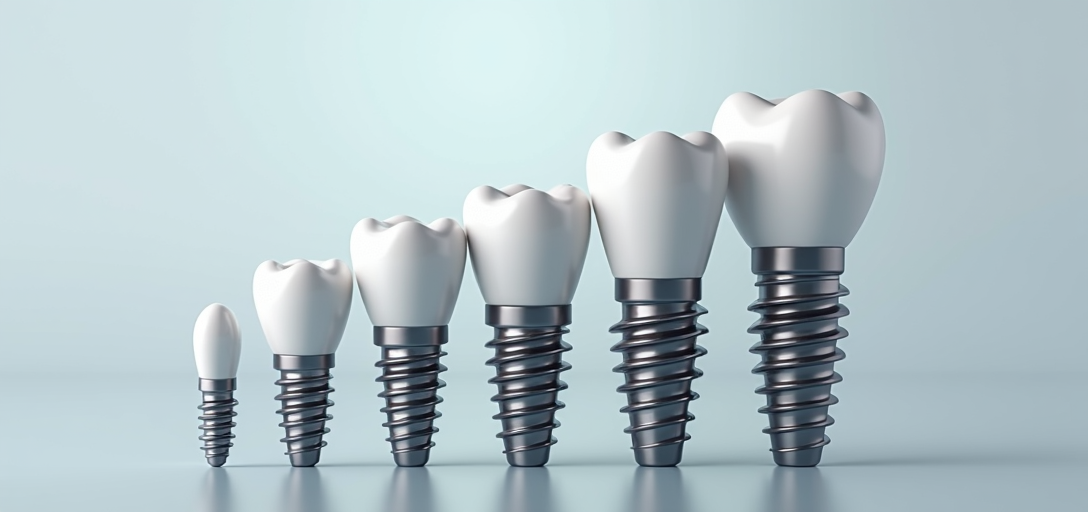
Understanding Dental Implants: More Than Meets the Eye
When it comes to restoring your smile, dental implants are often touted as the gold standard. However, the statement "Dental Implants Are Not All The Same" isn’t just a catchy slogan — it’s a fact that can significantly affect your oral health investment. For many individuals considering this option, understanding the different types of dental implants, how they differ, and which might be best for their specific needs is crucial.
What Are Dental Implants?
Dental implants are medical devices surgically implanted into the jawbone to restore a person's ability to chew or their appearance. They provide support for artificial teeth, such as crowns, bridges, or dentures. Made of titanium or zirconia, they fuse with the jawbone, offering a stable base that feels just like natural teeth.
Types of Dental Implants
Not all dental implants are created equal. Here are the primary types available in 2026:
- Endosteal Implants: These are the most common type of dental implants. They are surgically inserted directly into the jawbone and typically shaped like small screws.
- Subperiosteal Implants: Used primarily for patients with insufficient bone height or those who cannot use conventional dentures, these implants are placed under the gum but on, or above, the jawbone.
- Zygomatic Implants: Less common, these are used for patients with extreme bone loss in the upper jaw. The implant is anchored in the cheekbone rather than the jawbone.
Key Differences Between Implants
To help you decide which implant may be right for you, consider the following factors:
- Material: Most implants are made of titanium, which is well-tolerated by the body and integrates well with bone. Some newer options are made from zirconia, which can be beneficial for those with metal allergies.
- Placement: Depending on bone health, dentists may recommend different implant types. For instance, endosteal implants require a solid bone foundation, while subperiosteal might be used if bone is insufficient.
- Longevity and Success Rates: Most dental implants — particularly endosteal — boast a success rate of over 95% over the last decade. Technological advancements in 2026 continue to improve these rates.
- Procedural Complexity: Some implants like zygomatic can require more specialized surgical techniques due to the locations they are placed in and should only be performed by experienced professionals.
Cost Considerations
The cost of dental implants can vary widely based on a number of factors. As of 2026, here's what impacts the cost:
- Type of Implant: The type affects the cost. For example, zygomatic implants tend to be more expensive than traditional endosteal implants due to the complexity of the procedure.
- Material Used: Titanium implants are generally less expensive than zirconia, which is a newer, often more aesthetic material.
- Additional Procedures: Some patients may require bone grafts or sinus lifts to build up backbone before the implant, increasing overall costs.
A single dental implant cost in the U.S. can range from $3,000 to $4,500 (American Dental Association, 2026). It's vital to obtain a detailed treatment plan to understand what these costs cover.
Choosing the Right Implant for You
Selecting the right dental implant requires a personalized approach. Here are steps you can take:
- Consult with a certified oral surgeon or implantologist.
- Request a comprehensive evaluation of your oral health.
- Discuss your aesthetic and functional requirements.
- Evaluate the potential need for additional procedures.
- Consider long-term implications for oral health and finances.
Your dentist can provide insights into which implant type suits your oral condition and lifestyle. It's important to ask questions about the expected lifespan, maintenance, and eventual replacement of the implant.
Frequently Asked Questions About Dental Implants
How Long Do Dental Implants Last?
With proper care, dental implants can last several decades. Clinical studies in 2026 indicate a survival rate of up to 98% over ten years (Journal of Oral Implantology, 2026).
Are Dental Implants Safe for Everyone?
While dental implants are generally safe for most adults, some conditions such as uncontrolled diabetes, cancer therapies, and gum disease might affect their success. Always consult with your healthcare provider to evaluate risk factors.
What Are the Benefits Over Other Types of Dental Devices?
Dental implants offer several benefits over traditional dentures and bridges:
- They look, feel, and function like natural teeth.
- Prevent bone loss and maintain facial structure.
- Do not require alteration of adjacent healthy teeth.
- Provide a permanent solution with minimal long-term maintenance.
What Should I Expect During Recovery?
Recovery time can vary, but typically, patients can resume normal activities within a few days. Complete healing and integration might take several months, during which your doctor will monitor your progress before placing the final dental restoration.
Conclusion: Making an Informed Choice
Understanding the differences in dental implants is crucial in making an informed decision about your oral health. By weighing the types, costs, and longevity of implants with professional guidance, you can select an option that best suits your individual needs. Keep up-to-date with the latest advancements and research, and ensure any procedure you undergo is performed by qualified specialists to achieve the best possible outcomes.
For more detailed information, consider checking resources like the American Dental Association or journals such as the Journal of the American Dental Association.