Understanding the High Car Insurance Rates in These Louisiana Zip Codes
If you live in some Louisiana zip codes, you might be paying among the highest car insurance rates in the state. Find out which areas are affected and explore potential reasons for these elevated costs.
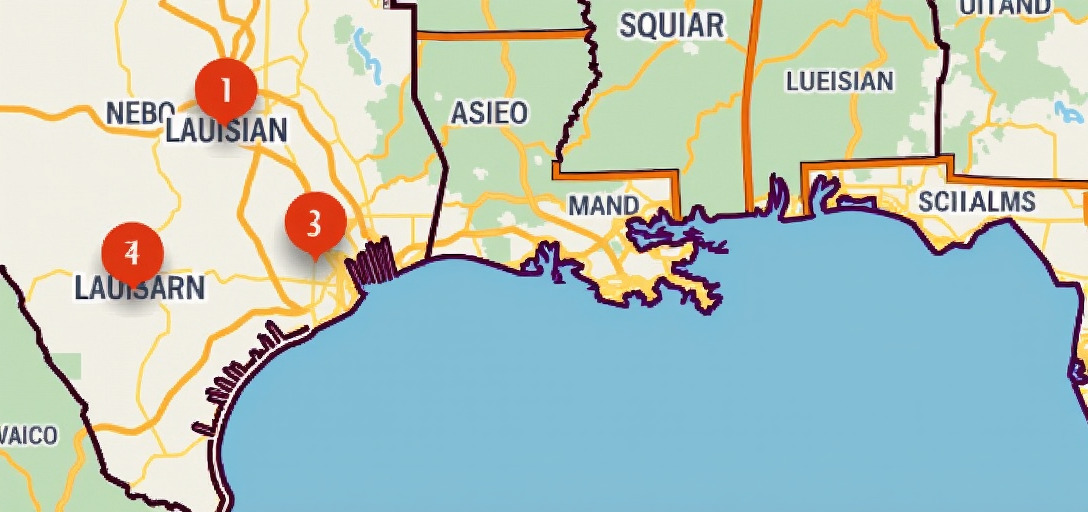
Understanding Car Insurance Rates in Louisiana
When it comes to car insurance, residents of certain areas in Louisiana find themselves paying significantly more than others. This phenomenon is influenced by various factors unique to Louisiana's socio-economic and environmental conditions.
Why Are Insurance Rates High in Louisiana?
Car insurance rates in Louisiana are affected by several local factors. These include:
- Weather Conditions: Louisiana's frequent hurricanes and flooding incidents increase the risk of car damage, leading to higher premiums.
- Legal Climate: The state has a high number of lawsuits related to car accidents, which raises insurance costs. Louisiana's legal system is known to favor plaintiffs, which can result in larger settlements or judgments.
- Crime Rates: Areas with higher vehicle theft and vandalism rates see elevated insurance premiums.
Which Zip Codes Pay the Most?
Insurance companies consider zip codes as part of their risk assessment. Certain zip codes in Louisiana have some of the highest insurance costs in the United States.
- New Orleans (70119, 70126): With a dense population, high crime rates, and susceptibility to weather-related damages, New Orleans residents pay a premium for car insurance.
- Baton Rouge (70802, 70805): These areas report a considerable number of vehicular thefts and accidents, contributing to higher insurance rates.
- Shreveport (71109): Known for its weather risks and traffic congestion, this region also faces elevated insurance costs.
How Are Insurance Rates Determined?
Understanding how insurance companies determine rates can provide insight into why certain zip codes have higher premiums. Factors include:
- Driver's History: A record of traffic violations or accidents directly affects individual insurance rates.
- Vehicle Type: Cars that are expensive to repair or more susceptible to theft will incur higher fees.
- Demographics: Younger drivers and those in densely populated or high-crime areas often face higher insurance costs.
What Can Residents Do to Lower Their Rates?
While residents can't control their zip code, they can take steps to potentially lower their car insurance premiums:
- Shop Around: Different providers offer different rates. Comparing quotes from multiple companies can lead to savings.
- Improve Your Credit Score: A better credit score can lead to lower premiums as insurers view these drivers as less risky.
- Bundle Policies: Combining car and home insurance with the same provider often results in discounts.
The Impact of Legislation and Regulation
Recently, the state government has taken steps to address the high insurance rates. Legislation aimed at reducing lawsuit abuse and combating insurance fraud has been introduced, potentially leading to fairer rates in the future.
Looking Ahead: Predicting Future Trends for Car Insurance in Louisiana
Based on current trends, the following predictions can be made for Louisiana's car insurance landscape:
- Technological Advances: The use of telematics, which involves installing monitoring devices in vehicles, is likely to increase. These tools can provide insurers with data on driving habits, potentially leading to more personalized pricing.
- Environmental Changes: As climate change intensifies, Louisiana may see even more frequent and severe weather events, possibly increasing insurance risks and costs.
- Legislative Efforts: Continued efforts to reform the state's legal environment around vehicle insurance could lead to a reduction in costs over time.
Conclusion
Car insurance rates in Louisiana's specific zip codes are shaped by a combination of environmental, legal, and socio-economic factors. While some factors are beyond individual control, residents can mitigate expenses by staying informed, shopping around, and taking proactive measures.
For more detailed information on insurance rates and trends, you may refer to credible sources such as the National Highway Traffic Safety Administration (NHTSA) and the Insurance Information Institute (III).