Understanding the Importance of Anti-Corrosion Treatments for Long-term Asset Protection
Discover the essentials of anticorrosion treatment and how it can help protect your valuable equipment. This comprehensive guide explores various strategies and their applications, giving you a deeper understanding of this crucial process.
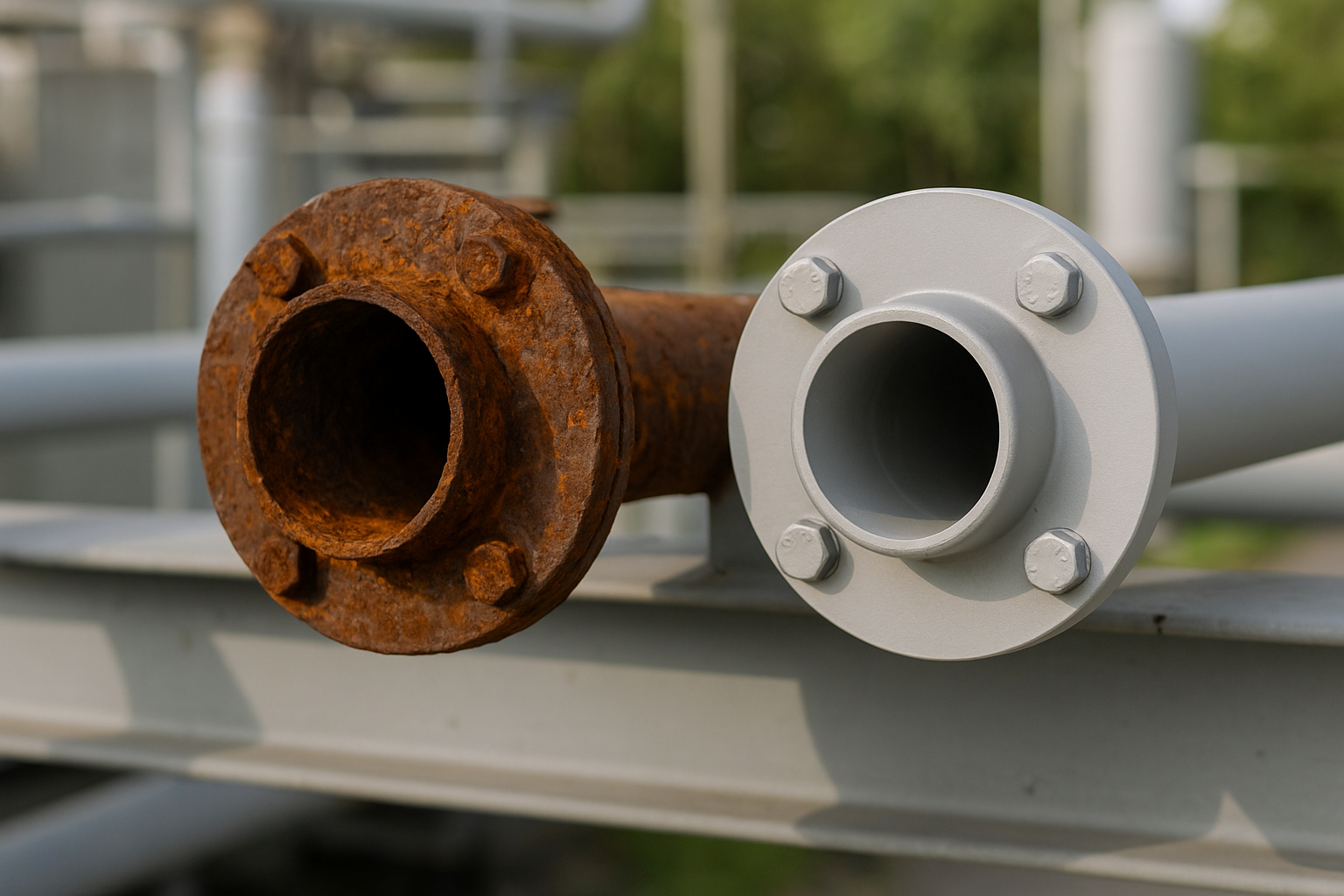
Understanding Anti-corrosion Treatment: Why It Matters
Corrosion is a natural process that causes metals to deteriorate due to chemical reactions with their environment. It’s a prevalent issue that affects industries globally, leading to significant maintenance costs and safety concerns. Anti-corrosion treatments are essential in minimizing these effects, enhancing the longevity and durability of metal structures and components.
What is Anti-corrosion Treatment?
Anti-corrosion treatment involves applying protective coatings or treatments to metals to prevent them from corroding. This can include physical barriers, like paints or powder coatings, chemical treatments, or the use of corrosion-resistant materials. The main goal is to interrupt the chemical reactions that lead to corrosion, thereby extending the metal's life and maintaining structural integrity.
Some common methods include:
- Galvanizing: Coating steel or iron with a layer of zinc to protect against rusting.
- Anodizing: Increasing the thickness of the natural oxide layer on the surface of metal parts, often used in aluminum.
- Cathodic Protection: Redirecting corrosive processes towards a sacrificial anode, protecting the essential components.
Why is Anti-corrosion Treatment Important?
The importance of anti-corrosion treatment cannot be overstated. According to a 2026 report by the International Corrosion Council, global corrosion-related costs are estimated to be about $2.5 trillion annually, which accounts for approximately 3% of the world’s GDP. Implementing effective anti-corrosion practices can potentially save 15-35% of these costs.
Key advantages include:
- Cost Savings: Reduced maintenance and replacement costs by extending the life of materials.
- Safety Enhancements: Prevents critical failures in infrastructure such as bridges and pipelines.
- Environmental Protection: Minimizes the need for new materials and thus supports sustainable practices.
Types of Anti-corrosion Coatings
There are several types of coatings used in anti-corrosion treatments. Understanding their differences can help in selecting the right one for your needs.
Paints and Powder Coatings
These are physical barriers applied to a surface to protect it from corrosive substances. Recent innovations in 2026 have seen the development of self-healing coatings that can repair minor damages autonomously, ensuring longer protection (source: Materials Innovations Journal).
Epoxy and Polyurethane Coatings
Epoxy coatings are widely used for their excellent adhesion, chemical resistance, and overall durability. Polyurethane coatings, on the other hand, offer superior UV resistance and flexibility, making them ideal for outdoor applications.
Real-World Applications of Anti-corrosion Treatments
Anti-corrosion treatments find applications across various industries. Here are a few examples:
Automotive Industry
Cars are constantly exposed to moisture and salts from roads, making them prone to rust. Anti-corrosion treatments help in maintaining their aesthetic appeal and structural strength over the years.
Infrastructure and Construction
Bridges, pipelines, and large structures are often exposed to harsh environmental conditions. Protective coatings are essential to ensure these structures remain safe and functional for their intended lifespans.
Marine and Offshore
Ships and offshore platforms deal with constant exposure to saltwater, making corrosion a significant concern. Special anti-corrosion coatings protect them against one of the most corrosive environments.
Choosing the Right Anti-corrosion Treatment
When selecting an anti-corrosion treatment, several factors should be considered:
- Environmental Conditions: Consider the specific conditions the metal will be exposed to, such as humidity, salt, and temperature variations.
- Material Type: Different materials may require different types of protective measures.
- Cost and Longevity: Balancing initial coating costs with expected longevity and maintenance expenses is crucial.
Recent technological advancements have also introduced smart coatings, which are embedded with sensors to track and report on coating integrity over time, providing real-time data on their effectiveness (source: Coatings World).
Conclusion
Anti-corrosion treatments play a vital role in preserving infrastructure, reducing costs, and ensuring safety across various industries. By understanding and applying the appropriate treatment, businesses can significantly reduce the damaging effects of corrosion and prolong the life of their assets.