Understanding the Latest Treatment for Dry Macular Degeneration
Discover the latest advancements in treating dry macular degeneration with the new injectable option. This innovative treatment aims to slow the progression of dry macular degeneration, offering hope to those affected. While not a cure, the shot provides a potential way to preserve vision.
Understanding the New Dry Macular Degeneration Shot
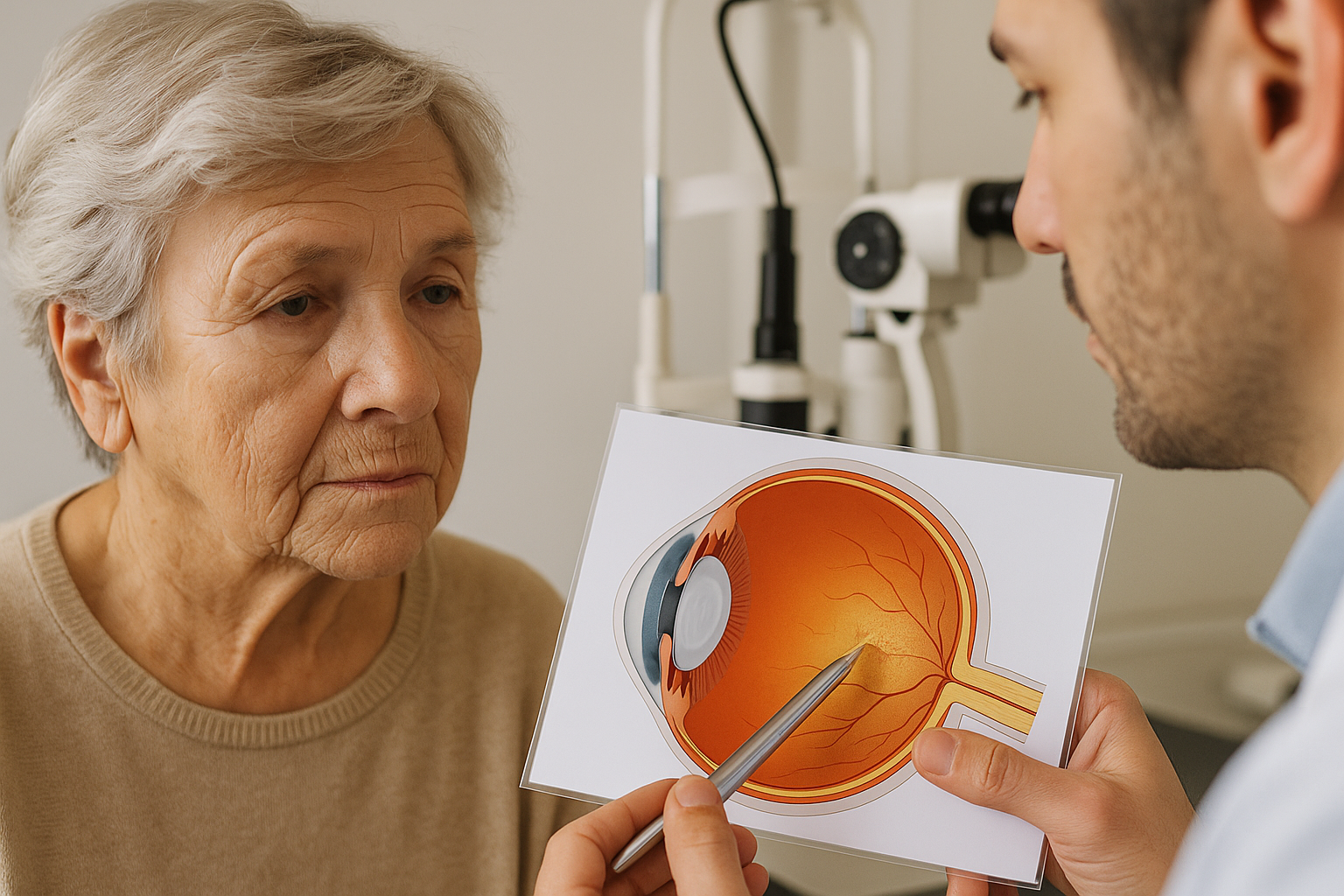
Macular degeneration, particularly Age-Related Macular Degeneration (AMD), is a leading cause of vision loss among older adults. The condition affects the macula, the part of the eye responsible for sharp, central vision. There are two types of AMD: wet and dry. While treatments for wet AMD have advanced significantly, options for dry AMD have been limited—until now. The recent development of a new shot for dry macular degeneration offers hope for those affected by this condition.
What Is Dry Macular Degeneration?
Dry macular degeneration is the more common form of AMD, accounting for about 85-90% of all cases. It occurs when the macula thins over time as part of the aging process, leading to gradual vision loss. Symptoms can include blurred vision and difficulty recognizing faces. Unlike wet AMD, which results from abnormal blood vessel growth, dry AMD is characterized by the presence of drusen—yellow deposits under the retina.
The Impact of Dry Macular Degeneration
Dry AMD progresses slowly compared to its wet counterpart, but its impact on life quality can be substantial, especially as it advances to geographic atrophy, where significant areas of the retina start to thin and atrophy. Daily activities like reading and driving can become challenging, leading to loss of independence and increased safety risks.
The New Treatment Option: A Game Changer
For years, the progression of dry macular degeneration has been largely untreatable. However, the introduction of the new dry macular degeneration shot marks a significant breakthrough. This injectable treatment targets specific pathways in the disease process, aiming to slow or prevent further vision loss.
How the New Shot Works
The shot functions by inhibiting certain proteins known to play a role in the inflammation and immune responses that contribute to macular degeneration. By reducing this harmful inflammation, the treatment seeks to protect retinal cells from further damage.
- Pegcetacoplan: As of 2026, pegcetacoplan is a lead candidate in the field. It’s designed to specifically target and inhibit complement proteins implicated in the progression of dry AMD.
- Recent studies, such as a 2026 report published in Ophthalmology Journal, highlight significant slowing of disease progression in trial patients, offering a promising outlook for broader use.
Who Benefits from This Treatment?
While this shot is not a cure, candidates include individuals in the intermediate stages of dry AMD. The treatment aims to preserve residual vision and prevent the progression towards severe vision loss. According to recent data from the American Academy of Ophthalmology, over 10 million Americans are affected by AMD, which underscores the potential impact of this new therapy.
What Patients Need to Know
Patients considering this new shot should consult their ophthalmologists to evaluate their specific condition and discuss the potential risks and benefits. Here are some key considerations:
Administration and Frequency
The shot is administered directly into the eye under sterile conditions by a trained healthcare professional. Typically, the regimen involves injections every four to eight weeks, depending on individual responses and progress.
Side Effects and Safety
As with any medical treatment, potential side effects exist. Common side effects may include eye discomfort, redness, or swelling post-injection. However, serious complications are rare. Rigorous trials are continuously conducted to ensure patient safety, as highlighted in the 2026 findings by the Retina Today.
Looking Ahead: The Future of AMD Treatment
The introduction of the new shot for dry macular degeneration is a testament to the advances in medical research and biotechnology. It offers real hope for maintaining independence and quality of life for those affected by this once untreatable form of vision loss.
Ongoing Research and Trials
Research continues to evolve, with numerous clinical trials underway to assess long-term efficacy and explore additional therapies. It’s an exciting time in the field of ophthalmology, as researchers strive to build on this progress for even better outcomes.
The Role of Patients and Advocacy
Patient advocacy groups are essential in raising awareness and providing support for individuals with macular degeneration. Organizations like the American Macular Degeneration Foundation (AMDF) offer resources and community support, empowering patients to take proactive roles in their eye health management.
Conclusion
As research and innovation lead to new treatment possibilities, patients with dry macular degeneration have more options than ever before. Understanding and accessing these advancements is critical in managing the condition’s impact on vision and quality of life.
For further details, patients should engage with their healthcare providers and follow the latest updates in research to make informed decisions regarding their eye health.