Understanding the Licensing Requirements for Driving a Large RV: What You Need to Know
Thinking about roadtripping with a large RV? Before you hit the road, discover whether a special commercial driver's license is essential. While some large RVs might require specific licensing depending on weight and state regulations, others could be exempt.
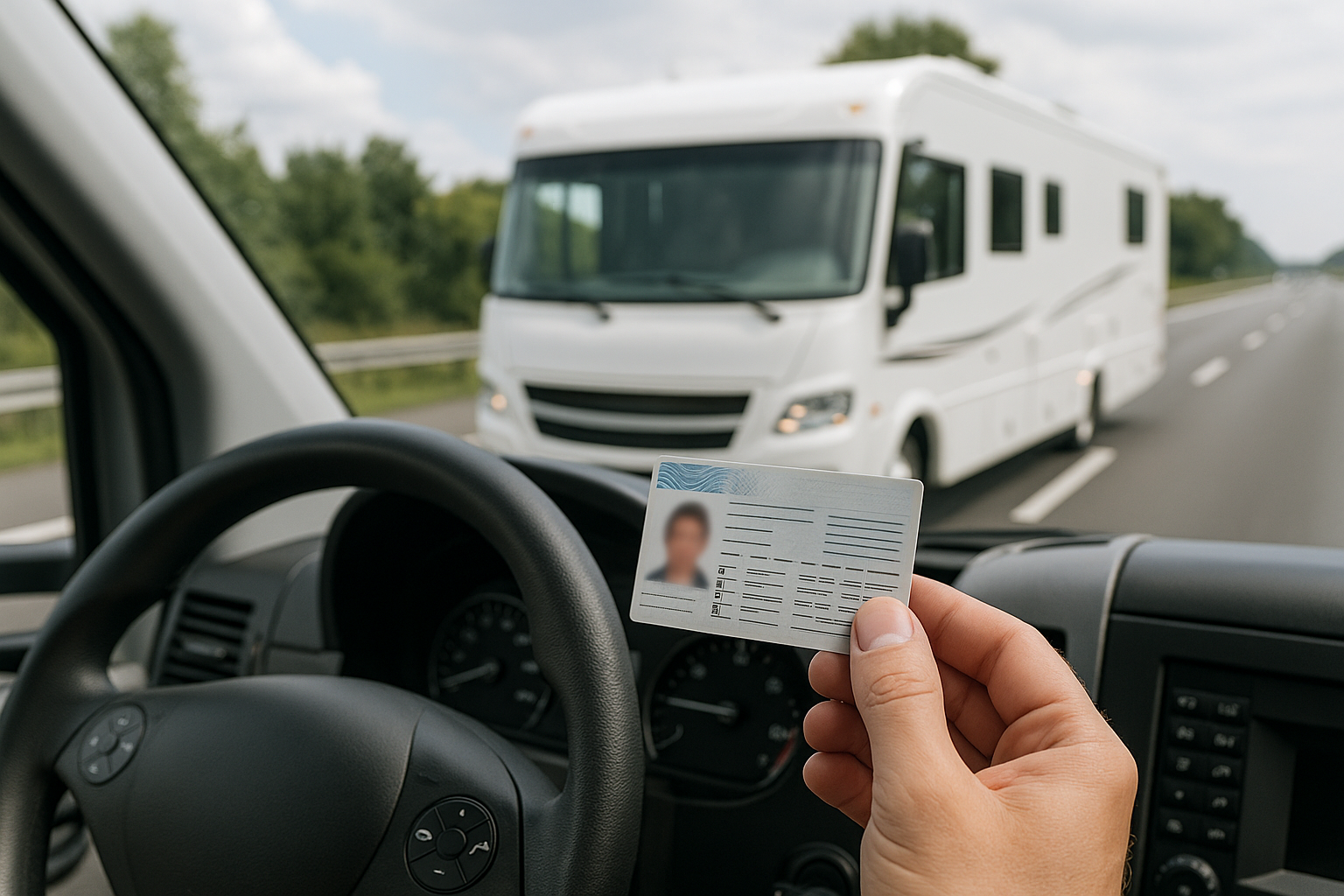
Understanding the Need for a Commercial Driver’s License for Large RVs
RVs, or recreational vehicles, open up a world of adventure and freedom on the road. However, when it comes to driving large RVs, especially those that resemble a small home on wheels, potential travelers often find themselves wondering: Do you need a special commercial driver’s license (CDL) to drive a large RV?
When is a CDL Required?
Understanding whether you need a CDL to drive a large RV largely depends on the weight and intended use of the vehicle. In general, there are three specific scenarios where a CDL might be required:
- Vehicle Weight: If the RV has a gross vehicle weight rating (GVWR) of over 26,000 pounds, you may need a Class B CDL in certain states.
- Passenger Accommodation: If you plan to use the RV to transport more than 16 passengers, a Class C CDL might be necessary.
- Commercial Use: If the RV is used for commercial purposes, irrespective of weight, a CDL is typically required.
State-Specific Requirements
Regulations can vary significantly from state to state. While some states require a special license or endorsement to drive an RV over a certain weight or length, others may have no additional requirements beyond a standard driver's license. It’s essential to check the DMV requirements in your home state:
- California: Requires a non-commercial Class B license if the RV is over 40 feet in length.
- Texas: A Class B non-commercial license is needed for vehicles over 26,000 pounds GVWR.
- Florida: No special license is needed unless it’s a commercial enterprise.
For the most accurate and updated information, visiting your local DMV website is recommended.
Licensing for International Travelers
If you’re planning an RV trip in the United States and hold a driver’s license from another country, understanding how your license translates can be crucial:
- International Driver’s Permit (IDP): Although not always required, obtaining an IDP can help bridge any language barrier and is accepted in conjunction with your foreign license.
- Check Reciprocity: Some countries have agreements with the U.S. allowing for driving without additional permits, so confirm if this applies to your situation.
It is advisable to contact rental agencies in advance to clarify their specific requirements regarding international licenses.
Pros and Cons of Getting a CDL for RVing
While having a CDL may offer additional driving privileges and knowledge beyond the ability to drive a standard car, it also comes with its own set of pros and cons:
Benefits of Having a CDL
A CDL can potentially open up more opportunities for driving more versatile vehicles beyond just RVs:
- Comprehensive Training: CDL training often includes extensive vehicle maneuvering and safety operations which can enhance your skills and confidence on the road.
- Increased Vehicle Control: Those with a CDL might be better equipped to handle the nuances of large vehicle operations, such as wide turns and reversing.
- Enhanced Employability: If considering employment that utilizes driving skills or knowledge, a CDL could be advantageous.
Challenges of Obtaining a CDL
There are several factors to consider before deciding to pursue a CDL:
- Cost and Time: Obtaining a CDL can be time-consuming and costly, often requiring classes, study time, and testing fees.
- Medical Requirements: Drivers often need to pass a medical exam to qualify for a CDL, adding another layer of complexity.
- Regulatory Compliance: CDL holders must comply with stricter regulations, which could include changes in driving hours and renewal procedures.
Alternatives to CDL for Large RV Drivers
For those not interested in obtaining a CDL, there are alternative ways to ensure safe and legal driving of large RVs:
Non-commercial Class License or Endorsements
Some states offer a non-commercial class license or endorsements specifically for large vehicles:
- Class B (Non-commercial): Often similar to a CDL but without the commercial restrictions, this license allows for operation of larger GVWR vehicles for personal use.
- Specific Endorsements: In states like North Carolina, an “R” endorsement can be added to a standard license for RV operators, providing a straightforward path to compliance.
Voluntary Driving Classes
Enhanced training for operating large vehicles can also be obtained through voluntary classes offered by driving schools or RV clubs. These classes focus on:
- Maneuvering Techniques: Learning how to handle turns, parking, and reversing long vehicles.
- Safety Practices: Detailed education on maintaining vehicles and responding to road emergencies.
- Real-world Scenarios: Practical experience driving under conditions similar to those you may encounter on the road.
Engaging in these courses can provide peace of mind and improve practical knowledge for handling large RVs.
Conclusion
The need for a commercial driver’s license to drive a large RV largely depends on the specific circumstances of your travel, including vehicle specifications and use. Whether you choose to obtain a CDL or explore alternatives like specialized non-commercial licenses or endorsements, it’s important to ensure you are in compliance with the law and have the necessary skills to enjoy your RV adventures safely.
For reliable information adapted to your individual situation, always begin by reviewing the laws applicable in your state and, if necessary, consult with local authorities to guide your preparation for hitting the open road in your RV.
For more details, refer to the Federal Motor Carrier Safety Administration and your state’s Department of Motor Vehicles for state-specific rules and regulations.