Understanding the Most Effective Treatments for Plantar Fasciitis
Are you struggling with plantar fasciitis and seeking relief? Discover a variety of treatment options tailored to alleviate your symptoms. From innovative physical therapy methods to supportive footwear, explore approaches that might reduce discomfort and improve mobility.
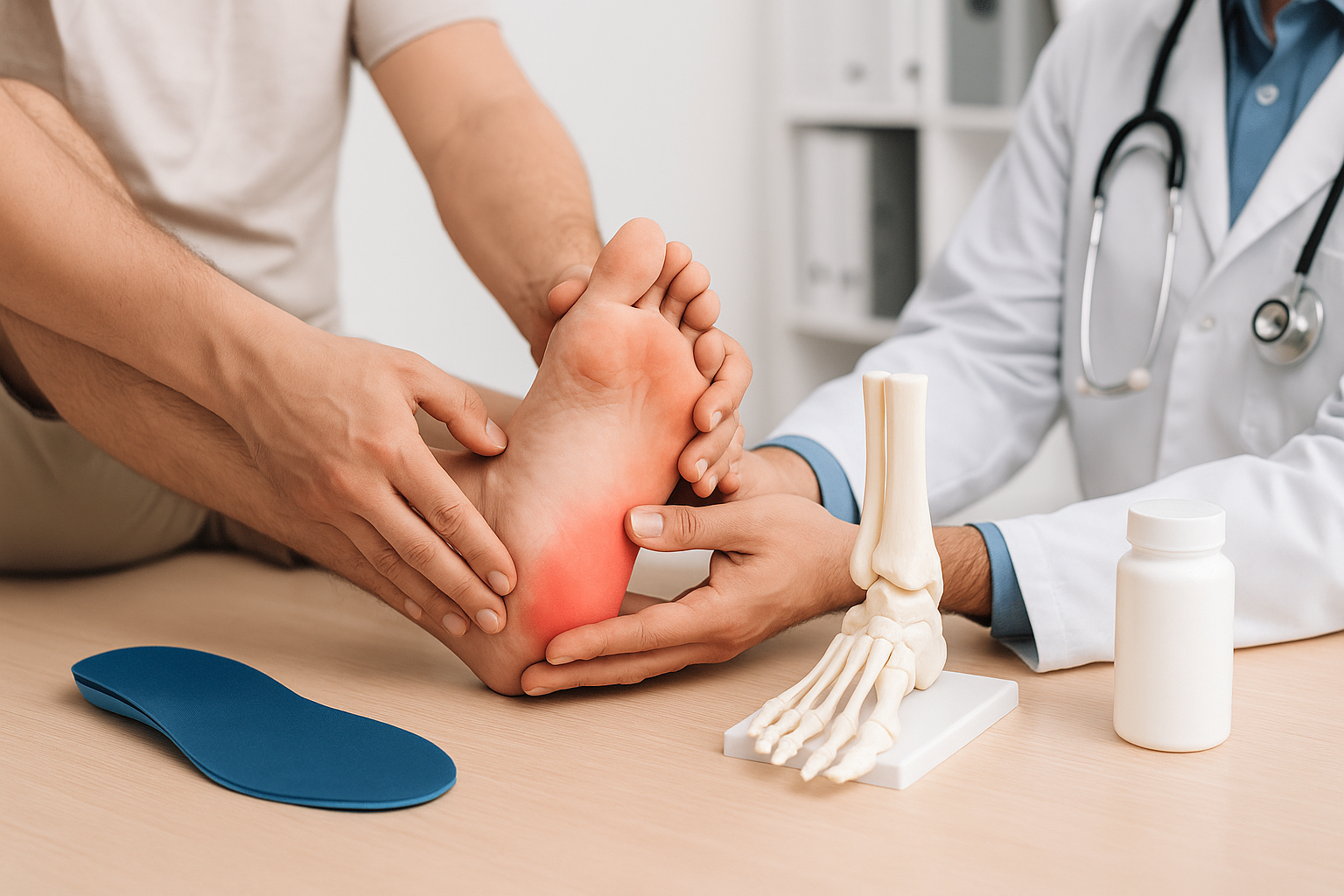
Understanding Plantar Fasciitis
Plantar fasciitis is one of the most common causes of heel pain, affecting millions globally. This condition arises from inflammation of the plantar fascia, a thick band of tissue running across the bottom of your foot, connecting your heel bone to your toes. Individuals suffering from plantar fasciitis experience sharp, stabbing pain typically near the heel. The pain is usually worse in the morning or after periods of inactivity, gradually improving with movement.
Recent studies indicate that approximately 1 in 10 people will experience plantar fasciitis during their lifetime, with it being particularly prevalent among runners, people who are overweight, and those wearing shoes with inadequate support.
Causes and Risk Factors
Understanding the causes and risk factors for plantar fasciitis is crucial in determining the most effective treatments. Factors contributing to this condition include:
- Foot Mechanics: Flat feet, a high arch, or even an abnormal walking pattern can affect the weight distribution while standing, placing added stress on the plantar fascia.
- Occupation: Jobs that require prolonged standing or walking on hard surfaces can increase the risk of developing plantar fasciitis.
- Age: While plantar fasciitis can affect people at any age, individuals between 40 and 60 are more susceptible.
- Exercise: Activities that place a lot of stress on the heel and surrounding tissue — such as long-distance running, ballet, or dance aerobics — can contribute to an onset of plantar fasciitis.
- Obesity: Excess weight can place additional pressure on the plantar fascia ligaments.
Effective Treatments for Plantar Fasciitis
Finding the best treatment for plantar fasciitis often requires a combination approach. However, many cases are effectively treated with simple, non-invasive methods. Below are some potential treatments:
At-Home Remedies
- Rest and Ice: Give your feet ample rest and apply ice packs to the affected area for 15 to 20 minutes, several times a day to reduce inflammation.
- Stretching Exercises: Exercises targeting the plantar fascia, Achilles tendon, and calf muscles are important. Simple stretches, such as calf stretches or toe stretching, can help relieve tension.
- Footwear: Investing in supportive shoes with cushioning can prevent further irritation. Orthotic inserts are also beneficial in providing arch support.
- Pain Relievers: Nonsteroidal anti-inflammatory drugs (NSAIDs) like ibuprofen can help manage pain and inflammation.
Medical and Professional Treatments
- Physical Therapy: A physical therapist can guide you through exercises designed not only to strengthen the muscles of your lower leg but also to stabilize your ankle and heel.
- Night Splints: Wearing a splint overnight helps maintain a lengthened stretch on the plantar fascia and Achilles tendon during sleep, easing morning discomfort.
- Shock Wave Therapy: Extracorporeal shock wave therapy (ESWT) uses sound waves to stimulate healing within the affected plantar fascia tissue. This method has shown promising results in recent clinical trials.
- Corticosteroid Injections: While some doctors may suggest corticosteroid injections to temporarily relieve pain and inflammation, it's important to note that they may weaken the plantar fascia and are not commonly recommended long-term.
Surgical Options
In cases where conservative treatments fail, surgical procedures may be considered. The most common surgical intervention is a plantar fascia release. Fortunately, less than 5% of people with plantar fasciitis require surgery.
Preventing Plantar Fasciitis
Preventative measures can greatly reduce the risk of developing plantar fasciitis or experiencing a recurrence. Key strategies include:
- Proper Footwear: Always select well-fitting, supportive shoes. Replace athletic shoes regularly to ensure they offer the necessary support.
- Maintain a Healthy Weight: Keeping a balanced diet and engaging in regular exercise can help you reach and maintain an optimal weight, decreasing pressure on the plantar fascia.
- Regular Stretching: Incorporate foot and calf stretching into your daily routine, particularly before and after exercise.
- Gradual Intensity Increase: Avoid increasing your physical activity — especially high-impact exercises — too quickly. Gradual intensity raises help prevent injury.
By taking these steps, you can greatly minimize your chances of suffering from plantar fasciitis.
Conclusion
Plantar fasciitis can be a debilitating condition, but understanding the nature of the problem and being aware of effective treatments can make a significant difference in recovery and prevention. With a combination of at-home care, professional treatment, and preventative strategies, many individuals can return to their normal activities with minimal discomfort.
For continued insights and updates on treatment for plantar fasciitis, consult with a healthcare professional, and keep an eye on trusted medical resources. For more information, resources like the WebMD or the American Academy of Orthopaedic Surgeons offer up-to-date guidance and expert-backed advice.