Understanding the Optimal Frequency of Botox Treatments for the Masseter Area
Wondering how often you should be getting Botox for the masseter area? This informative article explores the recommended frequency for Botox treatments in this specific area, helping you balance effectiveness and safety.
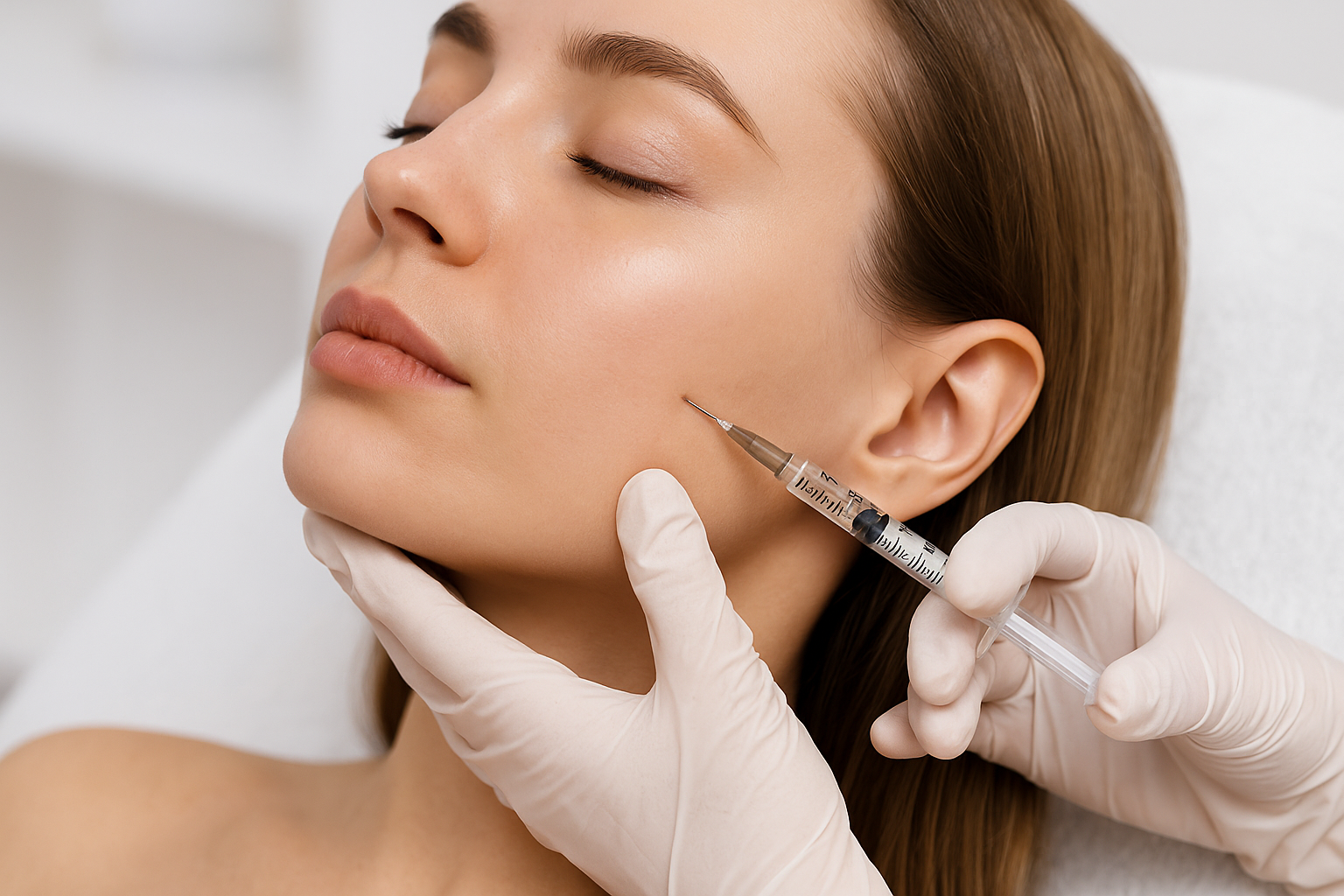
Understanding Botox for the Masseter Area
Botox, a household name primarily associated with cosmetic surgery, is not only used for smoothing out wrinkles but also for therapeutic purposes such as treating the masseter muscles. The masseter muscles, located at the rear of the jawbone, play a critical role in activities like chewing and clenching, and they can contribute to concerns such as teeth grinding (bruxism) and a square jaw appearance. In recent years, the use of Botox in the masseter area has gained popularity for both medical and aesthetic benefits.
Why Consider Botox for the Masseter Area?
There are several reasons individuals opt for Botox injections in this muscle group:
- Medical Relief: For those suffering from bruxism or TMJ (temporomandibular joint disorder), reducing the strength of the masseter can alleviate associated pain and discomfort.
- Cosmetic Enhancement: Some people desire a softer facial profile, and by decreasing the muscle's prominence, the face can appear slimmer and more contoured.
How Often Should You Get Botox for the Masseter Area?
The frequency of Botox injections for the masseter area largely depends on individual goals and physiological responses to the treatment. Botox effects are temporary, and consistent maintenance is necessary to achieve and uphold desired results.
Typical Treatment Schedule
For most people, the effects of Botox in the masseter muscle can last between 3 to 6 months. Initially, it is often recommended to receive treatments every 3-4 months. Over time, if the muscle becomes more atrophied, the duration between treatments may extend to 6 months or longer.
Personalized Treatment Plans
Consultation with a qualified healthcare professional is essential to tailor the botox treatment schedule to individual needs. Factors such as the initial strength of the masseter muscle, the severity of symptoms being treated, and the desired cosmetic outcome will influence the frequency of injections.
The Science Behind Botox in the Masseter Muscle
Botox, or botulinum toxin, works by temporarily blocking nerve signals to the muscle in which it is injected, causing a temporary reduction in muscle activity. This property of Botox is what makes it effective in reducing wrinkles as well as relaxing hypertrophied (enlarged) muscles like the masseter.
Research and Findings
Recent studies continue to support the effectiveness of Botox for reducing the size and activity of the masseter muscle. A 2026 study conducted across various clinics in the United States found that over 80% of participants experienced significant improvement in facial contours and relief from bruxism-related symptoms after 3 months of treatment. (Aesthetic Surgery Research)
Further research published in the Journal of Oral Health indicated that Botox not only aesthetically transforms facial features but also improves quality of life by reducing muscle tension and associated pain.
Potential Risks and Side Effects
While Botox is generally considered safe, potential risks and side effects can occur, though they tend to be rare and temporary:
- Pain at Injection Site: Mild discomfort or bruising may occur where the injection is administered.
- Muscle Weakness: Some people may experience temporary weakness in adjacent muscles.
- Asymmetry: Improper application can lead to uneven muscle weakening, affecting facial symmetry.
It's crucial to choose an experienced practitioner to minimize potential side effects and achieve optimal results. A good practitioner will carefully consider anatomical structures and individual variations when determining injection sites and dosages.
Questions to Ask Your Practitioner
Before undergoing Botox injections in the masseter, it’s important to be well-informed. Here are some questions you might consider asking:
- How many similar treatments have you performed?
- What is your plan for achieving the desired result in my case?
- How should I prepare for the treatment and what can I expect afterward?
- What are the costs associated with the procedure, considering potential repeat visits?
Conclusion
Deciding to use Botox in the masseter area should involve careful consideration of both the potential benefits and the risks. With a personalized treatment plan implemented by a professional, Botox can offer significant advantages for both medical and cosmetic purposes. For those considering this option, staying informed and consulting with an experienced healthcare provider are crucial steps for achieving the best outcomes.