Understanding the Role of Breast Oncologists in Cancer Care
Discover what sets breast oncologists apart in the fight against cancer. These specialized doctors focus on diagnosing and treating breast cancer, providing tailored care to each patient. By staying informed on the latest advancements, breast oncologists optimize treatment plans with precision.
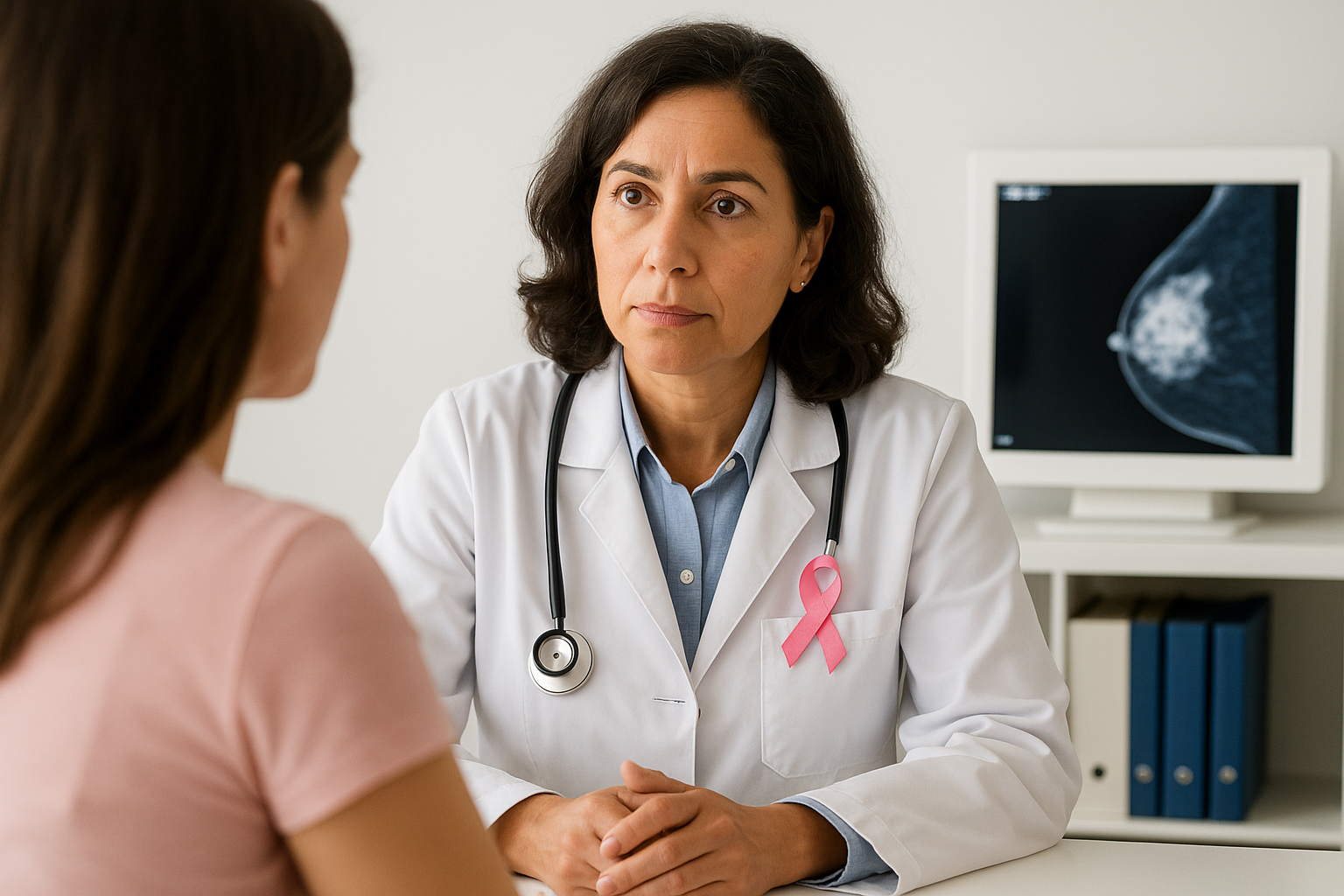
Understanding the Role of a Breast Oncologist
Many people may wonder what a breast oncologist does and why they play a crucial role in the management and treatment of breast cancer. Breast oncologists are specialized doctors equipped with extensive knowledge about different types of breast cancer, their behavior, and the most effective treatments. They guide patients through diagnosis, treatment planning, and follow-up care.
In 2026, breast cancer continues to be one of the most diagnosed cancers worldwide, underscoring the importance of breast oncologists. According to the World Health Organization, breast cancer was responsible for 15.2% of cancer deaths in women globally last year. This indicates the ongoing need for specialized medical practitioners who can focus on this specific area of oncology.
When Should You See a Breast Oncologist?
Knowing when to consult a breast oncologist is vital for effective cancer management. You might consider seeing a breast oncologist if:
- You have been diagnosed with breast cancer by a general practitioner or pathologist.
- You want a second opinion on a breast cancer diagnosis or treatment plan.
- There is a family history of breast cancer, and you wish to discuss risk and preventative measures.
Early consultation with a specialist can provide a clearer understanding of your condition and help you make informed decisions about your treatment options.
What to Expect from Your First Appointment
Your first appointment with a breast oncologist can be comprehensive and informative. Here’s what typically happens:
- History and Examination: The oncologist will review your medical history, family history, and conduct a physical examination.
- Diagnostic Tests: They may order additional tests or imaging to better understand your condition, such as mammograms, ultrasounds, or biopsies.
- Treatment Discussion: You will discuss potential treatment options, which may include surgery, chemotherapy, radiation therapy, or hormonal treatments, depending on your cancer stage and type.
It is important to prepare questions you might have regarding your diagnosis, available treatments, and potential side effects to make the most out of your consultation.
Treatments Managed by Breast Oncologists
Breast oncologists are adept at managing a variety of treatments. The most common include:
- Surgical Treatments: Such as lumpectomies or mastectomies, which involve removing cancerous tissues.
- Systemic Treatments: These include chemotherapy, hormonal therapy, and targeted therapy, aimed at destroying cancer cells or slowing their growth.
- Radiation Therapy: Often used after surgery to eliminate any remaining cancerous cells and reduce the risk of recurrence.
According to recent studies, combining different treatment modalities can increase survival rates and improve quality of life for many patients.
The Importance of Personalized Care
Breast oncologists strive to provide personalized care tailored to the specific needs of each patient. This includes evaluating tumor characteristics and genetic factors that might influence treatment responses. Personalized care ensures the treatment plan is as effective as possible while minimizing side effects.
In 2026, advanced diagnostics and genetic testing allow oncologists to identify the most promising treatment pathways with increasing accuracy. The integration of precision medicine and personalized care is transforming cancer treatment and improving patient outcomes.
Support Services and Resources
A breast oncologist often coordinates with a multidisciplinary team to offer comprehensive care, which includes palliative care, nutrition counseling, and psychosocial support. They might also refer you to support groups where you can connect with others undergoing similar experiences.
Organizations such as the American Cancer Society continue to provide resources and support services for those affected by breast cancer. Engaging with these resources can provide emotional support and practical advice during treatment and recovery.
Concluding Thoughts
Breast oncologists play a crucial role in the journey of a breast cancer patient, from diagnosis through to treatment and beyond. With ongoing advancements in this field, the hope is to continually improve survival rates and quality of life for patients worldwide. Staying informed and engaged in your care can empower you through your journey with breast cancer.