Understanding the Section 8 Housing Waiting List: Steps, Tips, and What to Expect
Navigating the Section 8 Housing Waiting List can be challenging, but understanding the process is key to securing assistance. Learn how to effectively manage your place on the Section 8 Housing Waiting List and explore strategies to enhance your chances without any guarantees.
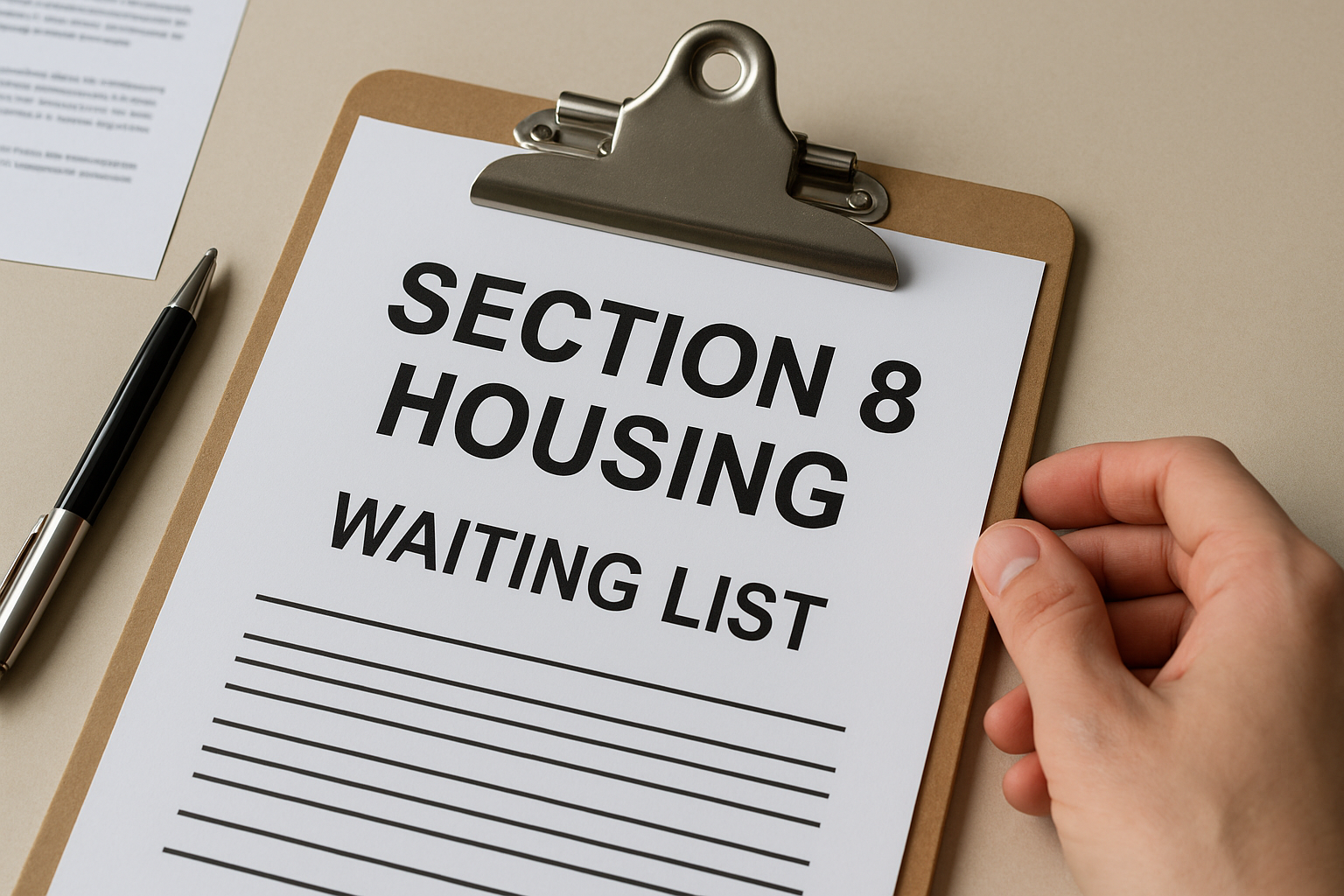
Understanding Section 8 Housing and Its Importance
The Section 8 Housing Program, formally known as the Housing Choice Voucher Program, is a federal program in the United States that assists low-income families, the elderly, and the disabled to afford safe and decent housing in the private market. Established by the U.S. Department of Housing and Urban Development (HUD), this program plays a crucial role in ensuring housing affordability and stability for millions of Americans.
What is the Section 8 Housing Waiting List?
When demand for housing assistance exceeds available resources, which is often the case, local public housing agencies (PHAs) use a waiting list to administer the program's resources efficiently. The waiting list is essentially a lineup of eligible, yet unserved, applicants who qualify for a housing voucher but must wait for availability due to limited funding and resources.
How Does the Section 8 Waiting List Work?
Potential recipients apply through local PHAs, and if they meet certain eligibility requirements, they are placed on the waiting list. This list is not first-come, first-served; rather, it is often prioritized based on local housing needs and other criteria such as income limits, family size, and urgency of need.
- Income Requirements: Eligibility generally requires that a family's income does not exceed 50% of the area median income. However, priority is usually given to families whose incomes are 30% or less of the area median.
- Priority Groups: Some families are prioritized due to specific circumstances, such as experiencing homelessness or living in substandard housing.
- Local Preferences: Criteria set by the PHA such as assisting veterans, working families, or victims of domestic violence.
Current Wait Times and Challenges
As of 2026, the average wait time for a Section 8 Housing Choice Voucher can range from a few months to several years, largely depending on geographic location and the demand in the local area. Urban areas with high demand typically see longer wait times. According to the Center on Budget and Policy Priorities, nearly 2 million households are currently on waiting lists nationwide.
- Long Wait Times: Due to high demand and limited vouchers, families may wait several years.
- Application Closures: In some areas, applications open briefly and then close due to overwhelming demand.
- Regional Variations: Wait times can differ dramatically between rural and urban areas.
Data Source: Center on Budget and Policy Priorities
Navigating the Application Process
Applying for Section 8 housing can seem daunting, but understanding the process can help. Here’s a step-by-step breakdown:
- Find Your Local PHA: Use the HUD’s PHA locator to find an agency near you and check their specific application process and requirements.
- Submit an Application: Apply during your local PHA's open application period. Prepare necessary documents such as identification, Social Security cards, tax returns, and proof of income.
- Wait for Notification: If you qualify, the PHA will inform you whether you have been placed on the waiting list.
- Attend an Interview: Once selected, you’ll undergo an interview to verify your eligibility and update your documentation.
For assistance, resources like Affordable Housing Online offer guides and updates on open waiting lists nationwide.
Tips for Managing the Waiting Period
While on the waiting list, staying proactive is crucial. Consider the following strategies:
- Update Your Information: Keep your contact details and family status updated with the PHA to avoid being removed from the waiting list.
- Explore Other Assistance Programs: Consider other rental assistance programs like the Low-Income Housing Tax Credit (LIHTC) properties or community-based support agencies.
- Be Prepared to Move: Once your voucher is available, having a plan to move quickly can be beneficial.
Engaging with local housing advocacy groups can also offer support and additional resources during your waiting period.
The Bigger Picture: Affordable Housing in America
Section 8 is a critical component of the broader strategy to address housing affordability, but it’s essential to recognize the challenges facing the U.S. housing supply. As the demand for affordable housing increases, initiatives at both the government and community level are vital for progress.
The Role of Government and Community
Efforts to increase funding, streamline processes, and develop sustainable housing solutions are ongoing. Legislative actions and community partnerships are crucial in addressing systematic issues within the housing sector.
For more information on housing developments and efforts, visit HUD's Housing Choice Voucher Program page.
Future Outlook
With ongoing housing policy reforms and community-based solutions, the landscape of affordable housing continues to evolve. The effectiveness of these programs in reducing wait times and increasing access will be closely monitored and remain a critical focus in achieving housing equity in America.
HUD Section 8 / Housing Choice Voucher Program
HUD Housing Choice Voucher fact sheet (eligibility & income limits)
Find your local Public Housing Agency (PHA) for Section 8 applications
GoSection8 / Affordable Housing listings (Section 8 apartments)
HUD Resource Locator for affordable housing & rental assistance
Benefits.gov Rental Housing Assistance programs
Section 8 income limits by state/county (HUD)
Apply for housing assistance online (local PHA search)