Understanding the Sperm Donor Screening Process: What You Need to Know
Discover the critical steps involved in the sperm donor screening process to ensure compatibility and health. This comprehensive procedure includes medical history reviews, genetic testing, and physical assessments to select qualified sperm donors.
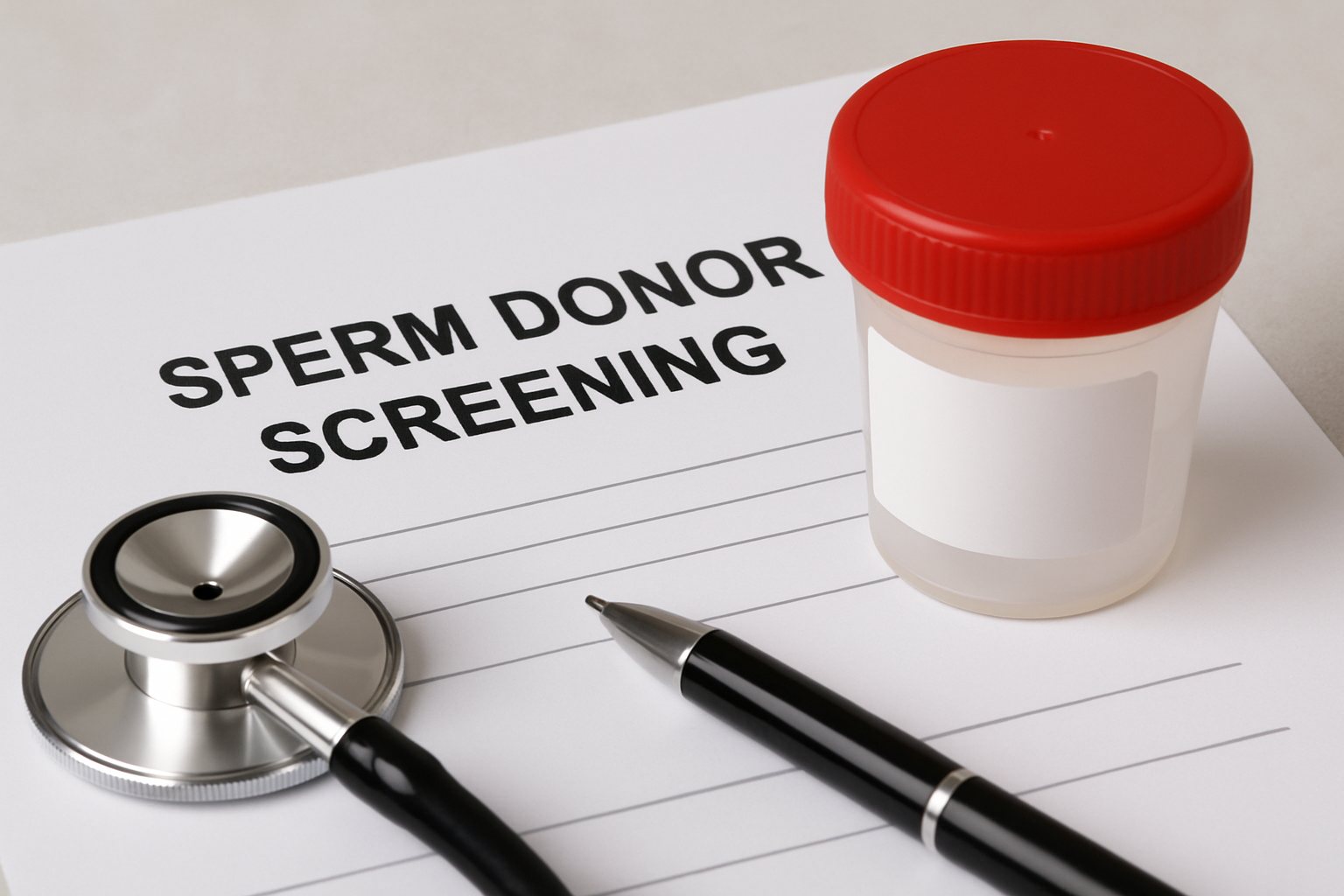
The Importance of the Sperm Donor Screening Process
Choosing to become a sperm donor or selecting a donor is a crucial decision that impacts many lives. The sperm donor screening process is meticulously designed to ensure safety, genetic compatibility, and the best possible outcomes for recipients. Here, we unravel the complexities behind this essential procedure, drawing from recent data and expert opinions.
What is Sperm Donor Screening?
Sperm donor screening is a comprehensive evaluation system to ensure that donors are healthy and that their samples are safe for recipients. The aim is to minimize genetic risks and infectious disease transmission while considering the psychological and emotional qualifications of donors.
Stages of the Sperm Donor Screening Process
The screening process is both extensive and rigorous, typically involving several critical stages:
- Initial Application: Potential donors provide personal and family medical histories.
- Physical Examination: A thorough medical exam to assess health and physical fitness.
- Genetic Testing: Screening for genetic disorders and chromosomal abnormalities.
- Infectious Disease Testing: Tests for STIs and other communicable diseases.
- Psychological Assessment: Evaluation of the donor's mental health and motivations.
Medical and Genetic Screening
Medical screening includes tests for sexually transmitted infections (STIs) like HIV, hepatitis B and C, syphilis, and other diseases that could pose risks to potential offspring or mothers. This phase is crucial to eliminate the risk of disease transmission.
Genetic testing involves karyotyping and screening for heritable conditions. Common disorders like cystic fibrosis, sickle cell anemia, and some types of thalassemia are routinely checked. This ensures that donors do not carry recessive genetic disorders that might be passed on to offspring.
According to a 2026 study by the Journal of Fertility Science, nearly 20% of potential donors are disqualified due to genetic or health issues, underscoring the importance of this rigorous screening process (Journal of Fertility Science).
Psychological Evaluation
Potential sperm donors undergo psychological evaluations to assess their motivation and emotional readiness. This step helps to ensure that donors fully understand and are comfortable with the implications of donation.
These assessments, conducted by healthcare professionals, explore the donor's understanding of the legal ramifications, their emotional stability, and their reasons for wanting to donate. Such evaluations help prevent future regrets or complications relating to donor anonymity and offspring rights.
Legal and Ethical Considerations
In many jurisdictions, strict privacy laws protect both the donor and the recipient. Donors typically remain anonymous; however, the advent of genetic testing services has raised ethical questions about donor confidentiality and the rights of donor-conceived individuals to access their genetic history.
Many countries, including leading sperm donor nations like the USA and the UK, have frameworks that balance donor rights with those of the child. It's crucial for donors to understand these laws fully. A 2026 Harvard Review highlights the importance of transparent donor agreements to avoid future legal conflicts (Harvard Law Review).
Global Variations in Screening
Standards for sperm donor screening vary internationally. Some countries have state-mandated criteria, while others depend on clinic-specific guidelines. This variation can affect cross-border donor services and international sperm banks.
Countries like Denmark, known for its comprehensive screening protocols, maintain a reputation for high-quality donor samples. This attracts international clients seeking stringent safety and genetic assurances.
Real-World Examples and Outcomes
Consider the story of Amanda and James, a couple from Toronto, who successfully conceived with help from a screened donor. They emphasized the peace of mind provided by knowing their donor underwent such exhaustive evaluations, minimizing health risks to their future child.
The outcome of rigorous screening processes is reflected in decreased incidences of genetic abnormalities and the long-term health of donor-conceived children. A 2026 survey by Fertility Solutions International found a 95% satisfaction rate among recipients using screened donor sperm, citing reduced anxiety as a key factor (Fertility Solutions International).
Conclusion: The Significance of Sperm Donor Screening
The sperm donor screening process is a pillar of assurance for both donors and recipients, safeguarding health and ensuring ethical practices. As technology evolves and societal perceptions shift, maintaining rigorous standards will be essential to support informed, safe reproductive choices.