Understanding the Structure of Home-Based Packing Jobs in the U.S.
Discover the intriguing world of homebased packing tasks in the United States. This article explores how these tasks are commonly structured, offering insights into the flexible work options that many find appealing.
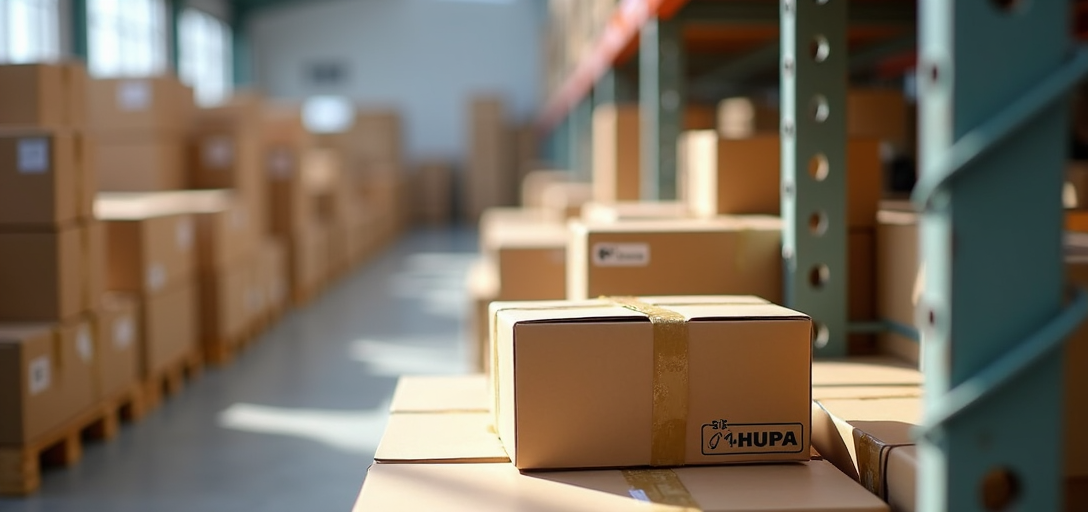
Understanding Home-Based Packing Tasks in the United States
In recent years, home-based packing tasks have gained popularity in the United States, offering flexible work opportunities for individuals seeking to balance personal and professional life. As remote work becomes increasingly prevalent, understanding the nuances of home-based packing can help you decide if this type of work is right for you.
What Are Home-Based Packing Tasks?
Home-based packing tasks involve assembling, sorting, and packaging products or materials from the comfort of your home. Companies that require a high volume of product packaging often outsource these tasks to remote workers. These tasks can vary widely, from assembling craft kits to packing promotional materials or even handling return orders.
Why Choose Home-Based Packing?
- Flexibility: Home-based packing jobs allow individuals to set their own schedules, making them ideal for mothers, retirees, or anyone needing flexible hours.
- Minimal Skill Requirement: Most tasks require basic manual dexterity and the ability to follow instructions rather than specialized skills or comprehensive tools.
- Supplemental Income: Many individuals turn to these tasks as a way to supplement their income without committing to a full-time job.
How Are Packing Tasks Structured?
Typically, companies provide remote workers with the necessary materials and instructions for completing the tasks. The structure often includes:
- Task Assignments: A clear description of the task, including quantity and specific instructions.
- Supply Chain Management: All necessary materials are shipped directly to your home.
- Timeline and Deadlines: Assignments include specific deadlines to ensure timely delivery of packaged products.
- Payment and Compensation: Payment can be based on the number of items packaged or a set hourly rate, depending on the company.
Finding Legitimate Home-Based Packing Opportunities
While there are many legitimate opportunities, the prevalence of scams requires potential workers to be cautious. Here are a few tips to help you find legitimate work:
- Research Companies: Always research the company thoroughly before committing to any work. Look for reviews and testimonials from other workers.
- Avoid Upfront Fees: Legitimate companies will not ask you to pay money upfront for materials or access to tasks.
- Use Trusted Job Platforms: Websites such as Indeed, LinkedIn, and FlexJobs list vetted remote opportunities, including home-based packing tasks.
Case Study: A Real World Example
In 2025, a packaging company based in California launched an initiative to boost their efficiency by outsourcing their packing tasks. They engaged 500 remote workers who successfully completed 250,000 packages in just six months. This approach reduced overhead costs by 30% and increased job satisfaction among remote workers due to the flexibility offered.
The Future of Home-Based Packing in the US
As of 2026, home-based packing is expected to grow in popularity, driven by demand for remote flexible work options and cost-effective solutions for businesses. A report by the Bureau of Labor Statistics indicated a projected growth in remote work by 6% annually, making home-based packing an increasingly viable employment option.
For further reading, refer to these articles and research:
- U.S. Bureau of Labor Statistics
- FlexJobs: Entry-Level Packaging Jobs for Remote Workers
- Forbes: The Rise of Remote Work in 2025
Conclusion
Home-based packing tasks offer a unique opportunity for individuals looking to earn money while working from their own homes. With the rise in remote working trends and an increasing number of companies willing to outsource these tasks, now is an opportune time to explore this avenue. By understanding task structure and vetting opportunities, you can find a fulfilling role in the home-based packing industry.