Understanding the Subtle Signs of Low Testosterone in Women
Exploring the signs of low testosterone in females can reveal how hormonal changes impact women's health. While fatigue and mood swings might be common indicators, each symptom can vary greatly. Understanding these signs is key for managing wellbeing, though individual experiences differ.
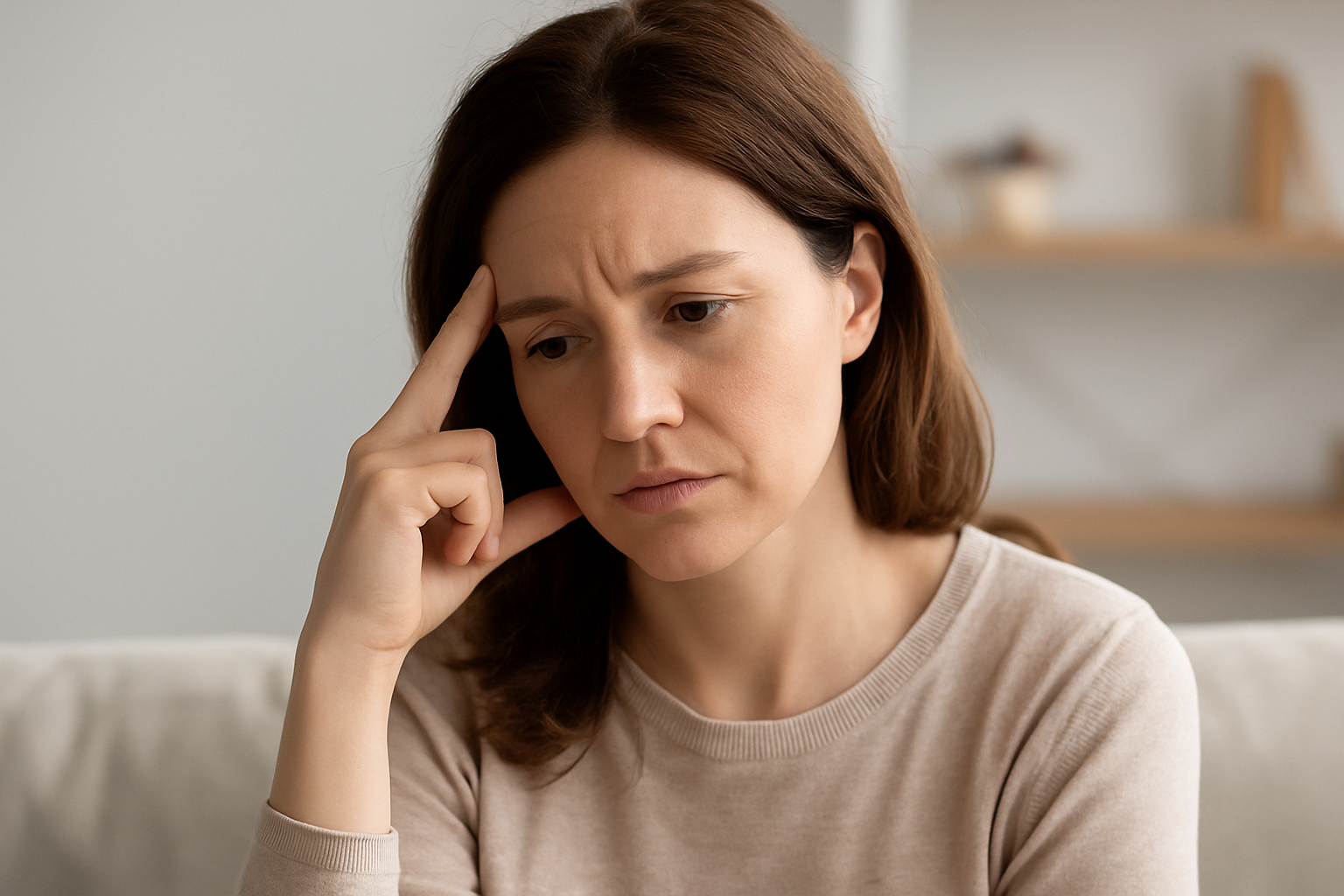
Understanding Low Testosterone in Females
While testosterone is often associated with men, it's crucial to understand that women also produce this vital hormone, albeit in smaller amounts. Testosterone plays a significant role in a woman's physical and emotional well-being. However, several factors can lead to lowered levels, and recognizing the signs of this condition is essential for timely intervention.
Key Signs of Low Testosterone in Women
The signs of low testosterone in females can often overlap with symptoms of other hormonal imbalances or health conditions, which makes it challenging to pinpoint without proper medical diagnosis. Below are some of the most common indicators:
- Fatigue: Persistent tiredness and lack of energy are prominent symptoms. This isn't the usual tiredness, but a more profound, ongoing exhaustion that doesn't seem to improve with rest.
- Depression and Mood Changes: Women might experience changes in mood, such as feelings of sadness, irritability, and a lack of motivation.
- Decreased Libido: A noticeable reduction in sexual drive is a classic sign of low testosterone levels.
- Weight Gain: Unexplained weight gain, particularly around the abdomen, may occur due to hormonal imbalance.
- Reduced Muscle Mass and Strength: A decline in muscle mass and an increase in body fat can be a result of decreased testosterone.
- Memory and Concentration Issues: Cognitive impairments, including a lack of focus and difficulties in concentration, are often reported.
Causes of Low Testosterone in Females
Understanding the underlying causes can help manage and potentially treat low testosterone. Some common causes include:
- Age: Hormone production changes as part of the natural aging process, often leading to a decline in testosterone levels after menopause.
- Medical Conditions: Conditions such as polycystic ovary syndrome (PCOS), adrenal insufficiency, and certain autoimmune diseases can affect hormone levels.
- Lifestyle Factors: Stress, lack of exercise, and poor diet can contribute to hormonal imbalances.
- Medications: Certain medications, including some birth control pills and antidepressants, may impact testosterone levels.
Diagnosing Low Testosterone Levels
Proper diagnosis involves a comprehensive approach that includes a thorough medical history, physical examination, and laboratory tests. Doctors typically measure testosterone along with other hormones such as estrogen and follicle-stimulating hormone (FSH) to get a clear picture.
According to recent studies, the normal range for testosterone in women is 15–70 ng/dL. Values below this range might suggest low testosterone levels.1
Treatment Options for Low Testosterone
Once diagnosed, a variety of treatment options can be considered, depending on the individual's health needs and preferences. These options include:
- Hormone Replacement Therapy (HRT): This is one of the most common treatments, which involves replacing the deficient hormone to restore balance.
- Lifestyle Modifications: Implementing a healthier lifestyle through balanced nutrition, regular exercise, and stress management can have a positive impact on hormone levels.
- Alternative Therapies: Some may opt for natural supplements or herbal remedies that are believed to boost testosterone levels. However, these should be approached with caution and under professional guidance.
Living with Low Testosterone
Living with low testosterone can be challenging, but with the right approach and support, it doesn’t have to significantly impact one's quality of life. Support groups, therapy, and resources provided by healthcare professionals can be invaluable.
Engaging with others who experience similar challenges can provide comfort and practical advice for managing daily life and maintaining a positive outlook.
Conclusion: Importance of Early Detection
Early detection and treatment of low testosterone in females can significantly improve symptoms and overall quality of life. If you suspect you might be experiencing signs of low testosterone, consulting a healthcare provider is a vital first step.
For more up-to-date information on hormone health, resources like the Hormone Health Network and Women's Health.gov can offer valuable guidance and support.2