Understanding the Unique Nuances of Maritime vs. Standard Personal Injury Law
Maritime law and standard personal injury law may appear similar but differ significantly in legal frameworks and applications. Maritime law, also known as admiralty law, covers incidents on navigable waters, addressing unique aspects like international regulations and maritime business nuances.
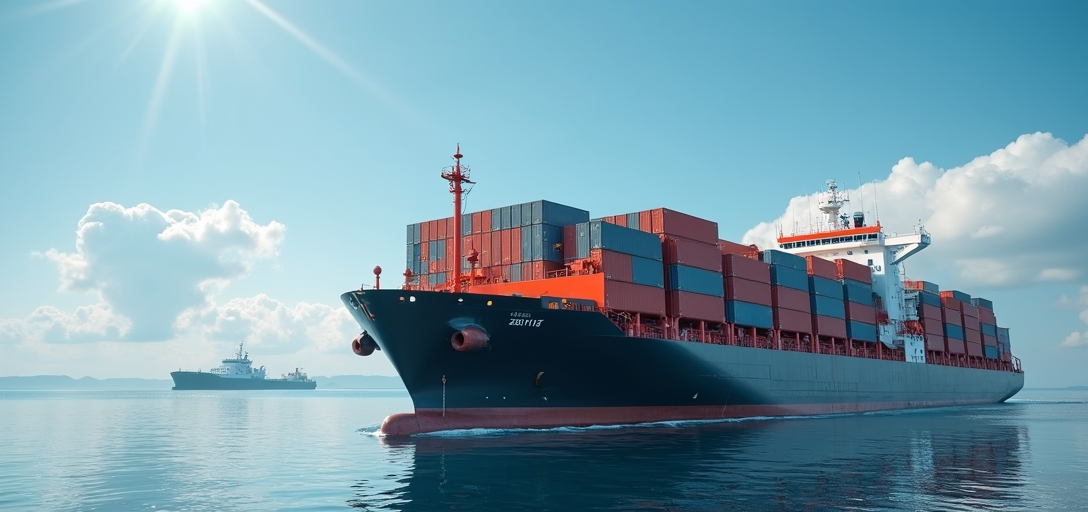
Understanding the Distinction: Maritime Law vs. Personal Injury Law
When someone encounters the term "maritime law," often known as admiralty law, alongside standard personal injury law, questions might arise regarding how these legal fields differ. Understanding these distinctions is essential, especially for those involved with activities around the sea or any commercial maritime industry. Both areas of law cover injuries but deal with unique circumstances and apply in different contexts.
What is Maritime Law?
Maritime law, or admiralty law, is a specialized body of law governing nautical issues and private maritime disputes. It originates from ancient maritime customs and has developed into a distinct field of law with its own processes and principles. In the United States, maritime law is predominantly federal, rooted in the Constitution and various statutory regulations. Its application spans from commercial shipping and vessel seamen to recreational boating issues.
Key statutes, such as the Jones Act, Longshore and Harbor Workers' Compensation Act (LHWCA), and the Death on the High Seas Act (DOHSA), provide protections and mechanisms for claims within this scope.
Maritime Law in the U.S.
In the United States, maritime law cases are typically heard in federal courts, though some can also be addressed in state courts. Federal law traditionally presides over maritime matters to ensure consistency across navigable waters. This federal jurisdiction includes everything from commercial disputes to injuries sustained at sea.
Recent data shows a continued increase in maritime activities off U.S. coasts. According to the U.S. Coast Guard's 2026 accident statistics, there has been a slight increase in recreational boating incidents, reinforcing the importance of understanding maritime legal protections. (Source: U.S. Coast Guard)
Contrasting with Standard Personal Injury Law
Personal injury law is a broader field covering injuries resulting from everyday activities, and it may involve car accidents, slip and falls, or other incidents. Unlike maritime law, personal injury cases can be governed by state law, and each state in the U.S. may have distinct rules, procedural requirements, and compensatory schemes.
Jurisdiction and Applicable Laws
One primary distinction lies in the jurisdiction and the courts where cases are heard. Personal injury lawsuits typically occur in state courts, following specific state laws that outline procedural quests and remedies. Maritime cases, conversely, generally invoke federal jurisdiction due to their crossing of state boundaries and involvement in international waters.
Types of Claims
- Inland Claims: Personal injury claims usually arise from inland incidents such as car accidents and premises liability cases, wherein state laws are applied.
- Maritime Claims: Maritime claims might include injuries to seamen, longshoremen, and even passengers aboard cruise ships, predominantly covered by specific maritime statutes like the Jones Act.
The Jones Act and Seaman Rights
The Jones Act is pivotal in maritime law, particularly focusing on the rights of seamen. It allows seamen injured in the course of employment to bring actions against their employers for personal injury damages. This facet stands apart from traditional workers' compensation claims; injured seamen must prove negligence to recover damages.
In 2026, the U.S. maritime workforce has reached approximately 400,000, leading to continuous efforts to safeguard these workers' rights, emphasizing the importance of understanding navigable legal distinctions. (Source: Maritime Council)
The Role of The Longshore and Harbor Workers' Compensation Act
For those not qualifying as seamen under the Jones Act, the LHWCA provides necessary compensation. It covers maritime workers, such as harbor or dock workers, injured during employment. This law facilitates compensation without proof of negligence, closely mirroring workers' compensation claims in other industries.
Real-World Application and Examples
To illustrate, consider a maritime worker injured on a commercial vessel in navigable waters. Under maritime law, they would likely be covered by the Jones Act or LHWCA depending on their role. Compare this to a truck driver injured on an interstate roadway — their claim might be pursued under state personal injury law, governed by that state’s specific legal framework.
Similarly, a passenger slip and fall on a cruise ship raises questions of maritime jurisdiction necessitating distinct legal steps to claim recovery compared to a similar fall in a retail store.
Conclusion: Importance of Distinguishing Legal Frameworks
Distinguishing between maritime law and personal injury law is crucial for effective legal redress and justice. While there are overlays and parallels in seeking compensation for injuries, the backdrop of how these laws interact can significantly alter outcomes and processes. Understanding which legal systems apply helps ensure the best representation and redress possible for victims, illustrating the complex and nuanced nature of both legal domains.