Understanding Wet Macular Degeneration Treatments: A Closer Look at Injections
Discover what you need to know about wet macular degeneration injections in this informative guide. Explore the potential benefits and considerations for these injections, and how they might help manage symptoms.
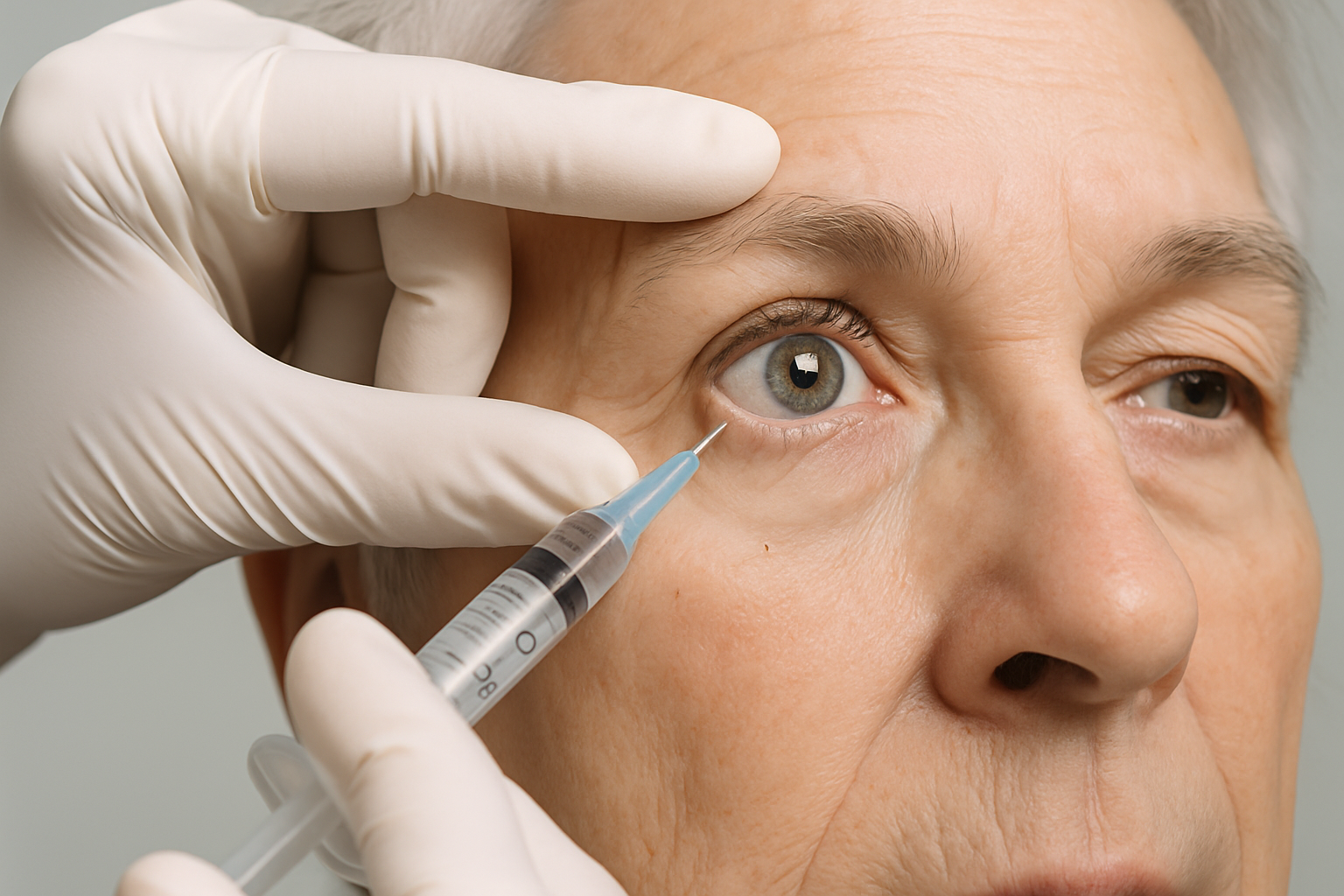
Understanding Wet Macular Degeneration
Wet macular degeneration is a chronic eye disorder that causes blurred vision or a blind spot in your visual field. It's generally caused by abnormal blood vessels that leak fluid or blood into the macula, which is the part of the retina responsible for central vision. While less common than dry macular degeneration, the wet form is more severe and can rapidly worsen without treatment.
What Causes Wet Macular Degeneration?
The exact cause of the blood vessel growth in wet AMD isn't fully understood. However, some known factors increase the risk of developing this condition:
- Age: Most common in people over 50.
- Genetic Factors: Family history can play a significant role.
- Smoking: Increases chances of AMD significantly.
- Obesity: Associated with earlier onset and increased disease severity.
- Race: More common in Caucasians.
Treatment Options: Injections for Wet Macular Degeneration
Injections are the primary treatment for wet macular degeneration. These are primarily anti-VEGF (vascular endothelial growth factor) injections, which help stop the growth of new abnormal blood vessels and prevent leakage that leads to vision loss.
How Do These Injections Work?
Anti-VEGF injections aim to slow down or reverse vision loss by blocking VEGF, a protein responsible for the creation of abnormal blood vessels.
Common drugs used for these injections include:
- LUCENTIS® (ranibizumab): Specifically designed for the eye and used to treat all forms of AMD, it has a high safety record.
- EYLEA® (aflibercept): A recent study published in the American Academy of Ophthalmology suggests it can maintain visual acuity with fewer injections compared to LUCENTIS.
- BEOVU® (brolucizumab): Newly approved, known for a longer dosing interval between injections, providing potential convenience.
The Injection Procedure: What to Expect
The procedure typically involves:
- The eye is cleaned to prevent infection.
- Local anesthesia or numbing drops are applied to minimize discomfort.
- The medication is injected into the affected eye, which may take just a few seconds.
Patients can generally return to normal activities shortly after the injection.
Post-Treatment Care and Monitoring
Following an injection, you might experience some brief discomfort or the appearance of floaters, which should resolve quickly. Consistent follow-ups with your ophthalmologist are crucial, as the severity and progression of conditions vary between individuals.
When to Contact a Doctor
Immediate attention should be sought if you experience any of the following:
- Increased redness or pain in the eye
- Vision loss
- Severe sensitivity to light
- Fluid, blood, or other unexpected symptoms in the affected eye
Living with Wet Macular Degeneration: Lifestyle Considerations
Managing wet macular degeneration requires a holistic lifestyle approach to support eye health and slow disease progression.
Diet and Exercise
A nutrient-rich diet is essential, focusing on leafy greens, colored fruits, and omega-3 fatty acids. Moderate exercise can also improve overall health, aiding better circulation and potentially reducing disease impact.
Assistive Devices
These include magnifying lenses or specialized glasses, which can aid in maintaining independence in daily activities.
Outlook and Support
Living with wet AMD can be challenging, but staying informed about the latest treatments and maintaining regular eye care can greatly impact the quality of life. There are support groups and resources available that provide necessary emotional and practical support.
Recent Advancements and Future Directions
Ongoing research in 2026 promises improvements in treatment efficacy and ease of use. Emerging therapies focus on gene therapy and sustained-release treatment methods to reduce injection frequency, indicating a hopeful future for those living with wet macular degeneration.
Stay updated with resources like the National Eye Institute and World Health Organization for the latest advancements and clinical trials.