Understanding Your Car Insurance: Winter Ice & Snow Damage Coverage Explained
Wondering what car insurance covers for winter ice and snow damage? As temperatures drop, roads become hazardous, and the risk of costly accidents increases.
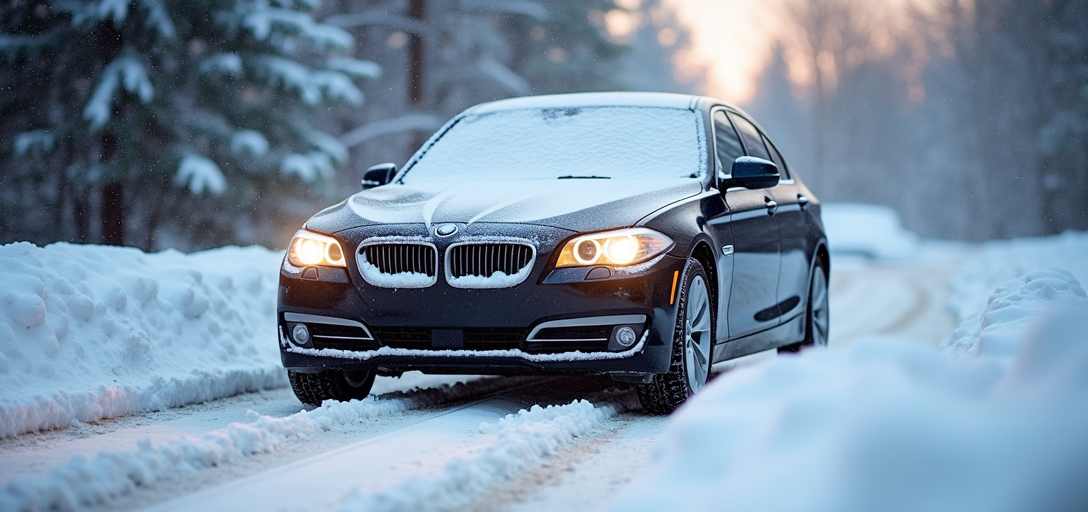
Understanding Car Insurance Coverage for Winter Ice & Snow Damage
Winter can be a challenging time for drivers, particularly in areas prone to heavy snowfall and icy conditions. With these seasonal challenges, it's crucial to understand how your car insurance policy addresses potential damage resulting from winter ice and snow. In the United States, where winter storms can be severe, knowing what your insurance covers can provide peace of mind and protect your finances.
What Types of Coverage Protect Against Winter Weather Damage?
Car insurance policies generally offer several types of coverage that are relevant when dealing with winter weather damage:
- Comprehensive Coverage: This type of coverage typically protects your vehicle against non-collision-related damage, including that caused by snow, ice, falling tree branches, or other winter hazards.
- Collision Coverage: If you are involved in an accident on icy roads, collision coverage can help pay for the repairs to your vehicle, regardless of who was at fault.
- Liability Coverage: This coverage is crucial if you're at fault in an accident on ice-covered roads. It helps pay for bodily injury and property damage to others.
- Roadside Assistance: Often provided as an add-on, this feature can be a lifesaver if you're stranded in snowy conditions and need towing or help with a jump start.
Real-World Examples of Coverage Use
Consider the following scenarios to better understand how these coverages function:
- Sliding on Ice into a Pole: With collision coverage, your insurance can cover the repair costs to your vehicle after it slides uncontrollably into a pole due to ice.
- Tree Branch Falls on Car: Comprehensive coverage can reimburse you for damages when a heavy, snow-laden branch falls onto your parked car.
- Fender Bender in Snowstorm: Your collision coverage policy will come into play if you rear-end another vehicle during a surprise snowstorm.
Winter Statistics and Insurance Facts
To understand the importance of these coverages, let's examine some recent statistics:
According to the National Highway Traffic Safety Administration (NHTSA) in a 2026 report, weather-related crashes account for 21% of all car crashes in the U.S., with snowy and icy conditions being significant contributors. Additionally, the Insurance Information Institute (III) states that the average cost of a comprehensive claim from physical damage is around $1,500, but this can be much higher with severe winter damage incidents (III, 2026).
How to Prepare Your Policy for Winter
Ensuring your insurance policy is adequate for winter weather is a proactive step every driver should take:
- Review Your Current Coverage: Understand the details of your policy and any potential out-of-pocket expenses you might face.
- Consider Raising Comprehensive and Collision Limits: Given the increased risk of winter damage, higher limits might provide the additional protection you need.
- Check the Availability of Roadside Assistance: If your policy doesn’t include it, consider adding this beneficial coverage.
To support your preparation efforts, be mindful that insurance policies might vary by provider, so discussing your needs with your insurance agent can provide tailored advice.
What to Do After Winter Damage Occurs
If your vehicle sustains damage due to winter conditions, take these steps to ensure a smooth claims process:
- Document the Damage: Take pictures and notes immediately after the incident. These will be valuable when filing your claim.
- Notify Your Insurance Provider: Contact them as soon as possible to report the incident and begin the claims process.
- Stay Safe: If the damages occurred on the road, ensure you’re in a safe location and seek help if needed.
- Schedule Repairs: Once your claim is approved, arrange for repairs at a reputable shop, preferably one approved by your insurance company.
Additionally, keep all receipts and communication records with both your insurance company and the repair shop for future reference.
Conclusion
Understanding your car insurance coverage in relation to winter ice and snow damage is essential not only for financial protection but also for ensuring you remain safe and prepared during the harsher winter months. By reviewing your policy, taking preventive measures, and knowing the steps to take after an incident, you can navigate the winter season with greater confidence. As winter approaches, take time to review these aspects so you're properly covered and ready for whatever Mother Nature throws your way.