Understanding Your Homeowners Insurance: Are Frozen Pipes in Winter Covered?
Wondering if homeowners insurance covers frozen pipes during winter's icy grip? You're not alone. Understanding your coverage is key when facing winter weather challenges. While some policies offer protection for damage from frozen pipes, others may not.
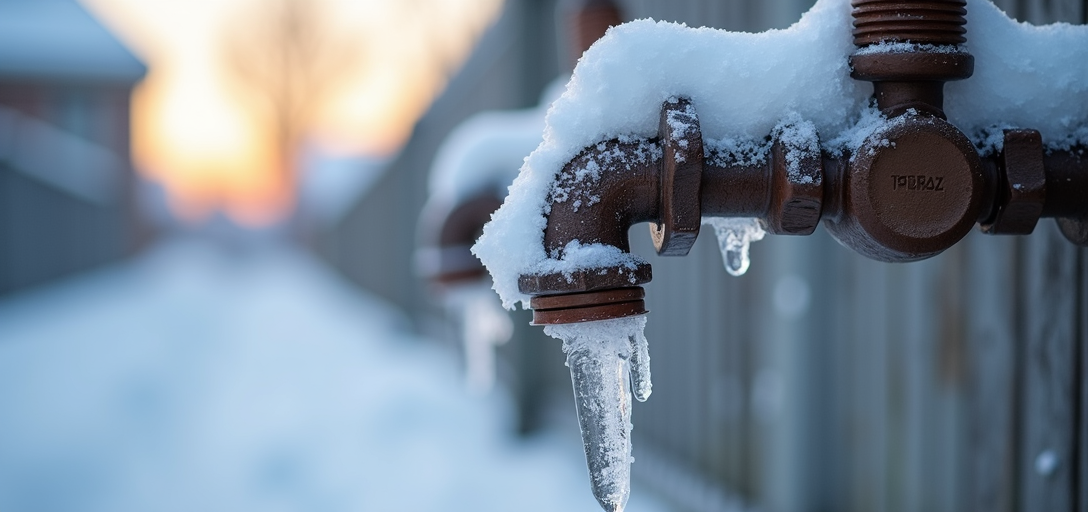
Understanding Homeowners Insurance Coverage
Homeowners insurance is a vital part of safeguarding one of your most significant investments: your home. This type of insurance generally covers damage to your property and offers liability protection, but the specifics can vary significantly based on your policy and provider. Recognizing the nuances of what is covered, particularly concerning frozen pipes in the winter, can help in making informed decisions.
Does Homeowners Insurance Cover Frozen Pipes?
The answer to whether homeowners insurance covers frozen pipes is generally, "It depends." Most standard homeowners insurance policies in the U.S. cover water damage from burst frozen pipes, provided that specific conditions are met. Typically, these conditions require that the homeowner took reasonable measures to prevent the pipes from freezing.
What Are "Reasonable Measures"?
Insurance companies expect homeowners to maintain their property to prevent damage. For frozen pipes, this might include:
- Ensuring proper insulation around pipes.
- Keeping the heat on during winter months, even if the home is unoccupied.
- Allowing faucets to drip during extremely cold temperatures to prevent water stagnation.
If you can demonstrate these preventative steps, you're more likely to be covered. However, if the insurer believes you neglected the maintenance, they may deny the claim.
How to File a Claim for Frozen Pipes
Filing a claim after your pipes have frozen and burst involves several steps, and knowing these can assure a smoother process:
Document the Damage
Immediately document the damage by taking photos and videos. Ensure these highlight the extent and the potential cause of the damage.
Contact Your Insurance Provider
Notify your insurance company as soon as possible after discovering the damage. Delaying this can potentially invalidate your claim.
Provide Evidence of Preventative Measures
Submit documentation or evidence of how you maintained your property to prevent freezing. This can include receipts for work done or photos showing preventative steps.
Work With the Adjuster
Your insurer will likely send an adjuster to assess the damage. Be sure to provide them with all necessary documentation and be honest about the circumstances that led to the damage.
Preventing Pipe Freeze: Proactive Steps
Preventive measures are crucial to avoiding the hassle of dealing with water damage claims and the inconvenience of not having water when you need it most. Here are some effective strategies:
- Install pipe insulation on all exposed pipes in unheated areas.
- Use heating tape or cable around vulnerable pipes.
- Seal leaks that allow cold air inside near where pipes are located.
- Maintain a home temperature of at least 55°F even when away.
- Open cabinet doors under sinks to allow warm air to circulate around the pipes.
Understanding Different Insurance Coverages
It’s essential to know the variety of coverage options available that might affect the policy’s assistance during a crisis like pipe bursting:
Dwelling Coverage
This coverage part helps with repairs of the structure itself. Should a pipe burst and cause damage to your walls or floors, dwelling coverage can help pay for the repairs.
Personal Property Coverage
In case your personal belongings like furniture, clothing, or electronics are damaged by water from a burst pipe, personal property coverage helps replace or repair these items.
Loss of Use Coverage
If your home becomes uninhabitable due to extensive damage, loss of use coverage may cover living expenses, such as a hotel stay, until your home is repaired.
Conclusion: Are You Covered?
In essence, while your homeowners insurance can cover frozen pipes, it often hinges on the maintenance of your home before the pipes freeze. Stay proactive and regularly review and understand your insurance policy to avoid unwelcome surprises. If you're unsure about your coverage, consulting directly with your insurance provider can offer clarity and peace of mind.
For more in-depth guidance, consider visiting resources like the National Association of Insurance Commissioners (NAIC) or the Insurance Information Institute (III.org) for reliable information tailored to your specific circumstances.