Understanding Your Homeowners Insurance: Roof Leaks and Water Damage Coverage Explained
Curious if your homeowners insurance covers roof leaks and water damage? It can depend on several factors including the cause and extent of the damage. While homeowners insurance often provides coverage, exclusions might apply, especially if the damage resulted from neglected maintenance.
Understanding Homeowners Insurance Coverage
Homeowners insurance is essential for protecting your most valuable asset: your home. But when it comes to specific incidents like roof leaks and water damage, many homeowners are left wondering about what is covered. This comprehensive guide is here to clarify what homeowners insurance typically covers regarding roof leaks and water damage, ensuring you have the information you need to manage unexpected events effectively.
What Does Homeowners Insurance Generally Cover?
Homeowners insurance policies can vary, but they usually provide financial protection against a range of perils. These often include damage caused by fires, storms, theft, and certain types of water damage. The policy typically consists of different types of coverage:
- Dwelling Coverage: Protects the structure of your home. This covers the roof, walls, built-in appliances, and any attached buildings.
- Personal Property Coverage: Covers personal belongings up to a specified amount, should they be damaged or stolen.
- Liability Coverage: Offers financial protection in the event of lawsuits for injuries or property damage caused by you or family members.
- Additional Living Expenses (ALE): Covers expenses incurred if you are temporarily displaced due to a covered peril.
Does Homeowners Insurance Cover Roof Leaks?
Roof leaks can happen for various reasons, such as storm damage or poor maintenance. It's crucial to understand when these leaks are likely covered by homeowners insurance:
Coverage for Storm Damage
If your roof leak is caused by a covered peril, such as a hail storm or high winds, your insurance is likely to cover the costs for repairs. These incidents are typically unforeseen and directly related to weather conditions, which most standard policies consider.
For example, following a severe storm in 2025, many homeowners reported damage to their roofs and successfully claimed insurance to cover repair costs incurred by wind and water damage. According to Insurance Journal, these incidents cost insurers over $1 billion, reflecting the importance of coverage for natural events.
Maintenance Issues
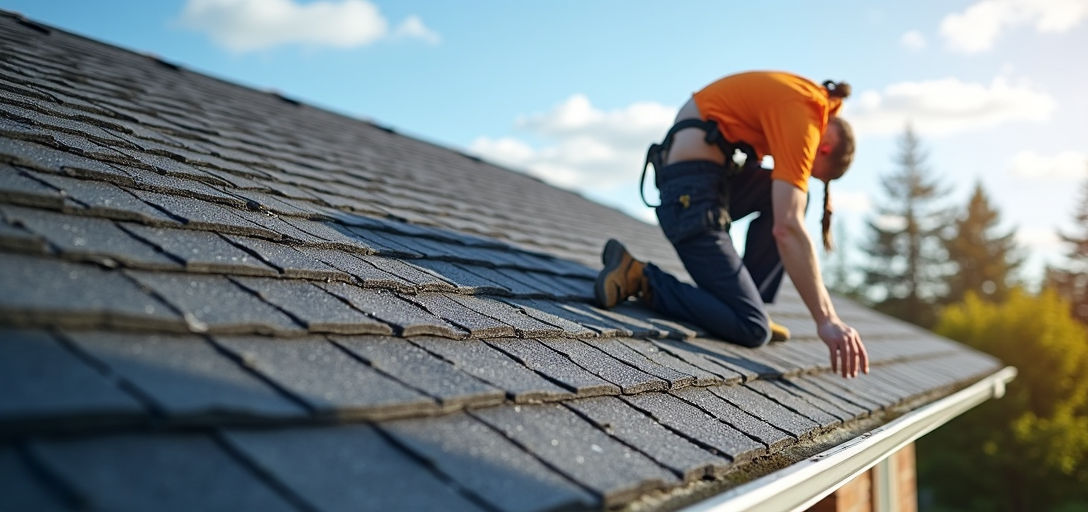
Insurance companies expect homeowners to maintain their properties. If a roof leak occurs due to neglect or lack of maintenance, insurers may deny the claim. Regular roof inspections and timely repairs are vital for preventing leaks and ensuring you stay covered. For instance, if damaged shingles or clogged gutters are not addressed, resulting in leaks, the responsibility may fall on the homeowner rather than the insurer.
Understanding Water Damage Coverage
Water damage is another common issue faced by homeowners. Understanding which types of water damage are covered by your policy can help you navigate potential claims more effectively.
Coverage for Sudden and Accidental Water Damage
Insurance typically covers water damage that occurs suddenly and accidentally. For example, if a pipe bursts or an appliance malfunctions, causing water damage, your policy is likely to cover repairs and replacements. According to a 2026 report by the Insurance Information Institute, water damage is one of the most common and costly claims, accounting for about 20% of all home insurance claims in the U.S.
Exceptions: Gradual Damage
Similar to roof leaks, water damage from gradual causes, like long-term leaking or humidity issues, is often excluded from coverage due to lack of maintenance. Regular home maintenance and annual checks of plumbing systems can mitigate these issues and aid in remaining covered.
Steps to Take After Discovering a Leak or Water Damage
Discovering water damage or a roof leak can be unsettling. Here are essential steps to take when handling such a situation:
- Document the Damage: Take photographs and notes of all affected areas promptly.
- Prevent Further Damage: Mitigate additional damage by stopping water flow or leaking where possible. Temporary solutions like plugging pipes or tarping roofs can prevent further complications.
- Contact Your Insurance Provider: Reach out to your insurer to report the damage and inquire about the claims process.
- Hire Licensed Professionals: Use qualified contractors for repairs to ensure safe, compliant work that insurance companies will honor.
How to Ensure Adequate Coverage
Making sure your policy covers potential damages adequately is crucial. Here are tips to ensure sufficient coverage:
- Review Your Policy Annually: Check what perils are included, and consider any modifications or add-ons for enhanced protection.
- Explore Optional Riders: Consider additional riders or endorsements for uncovered risks like flood damage or increased limits on specific belongings.
- Regular Maintenance: Stay proactive with home maintenance to avoid damage caused by neglect.
Conclusion
Understanding the nuances of homeowners insurance coverage can save you significant time and money. Being aware of what your policy covers concerning roof leaks and water damage will equip you to act swiftly should you face these common household challenges. Regular communication with your insurer, proper home maintenance, and staying informed about policy updates are key steps in safeguarding your home. For the most accurate and detailed advice, consider consulting with a licensed insurance professional to assess whether your current coverage meets your needs.